Aaron West

Aaron West (193)

Senior E-Commerce Manager & Digital Strategist

The E-Commerce Team: Who Actually Does What

The E-Commerce Team: Who Actually Does What

As an e-commerce operation grows, the question stops being "do we have enough people" and becomes "does everyone know who owns what." The most common operational failure isn't too few hands; it's unclear ownership, where everyone assumes someone else is handling something and nobody actually…

Continue reading...

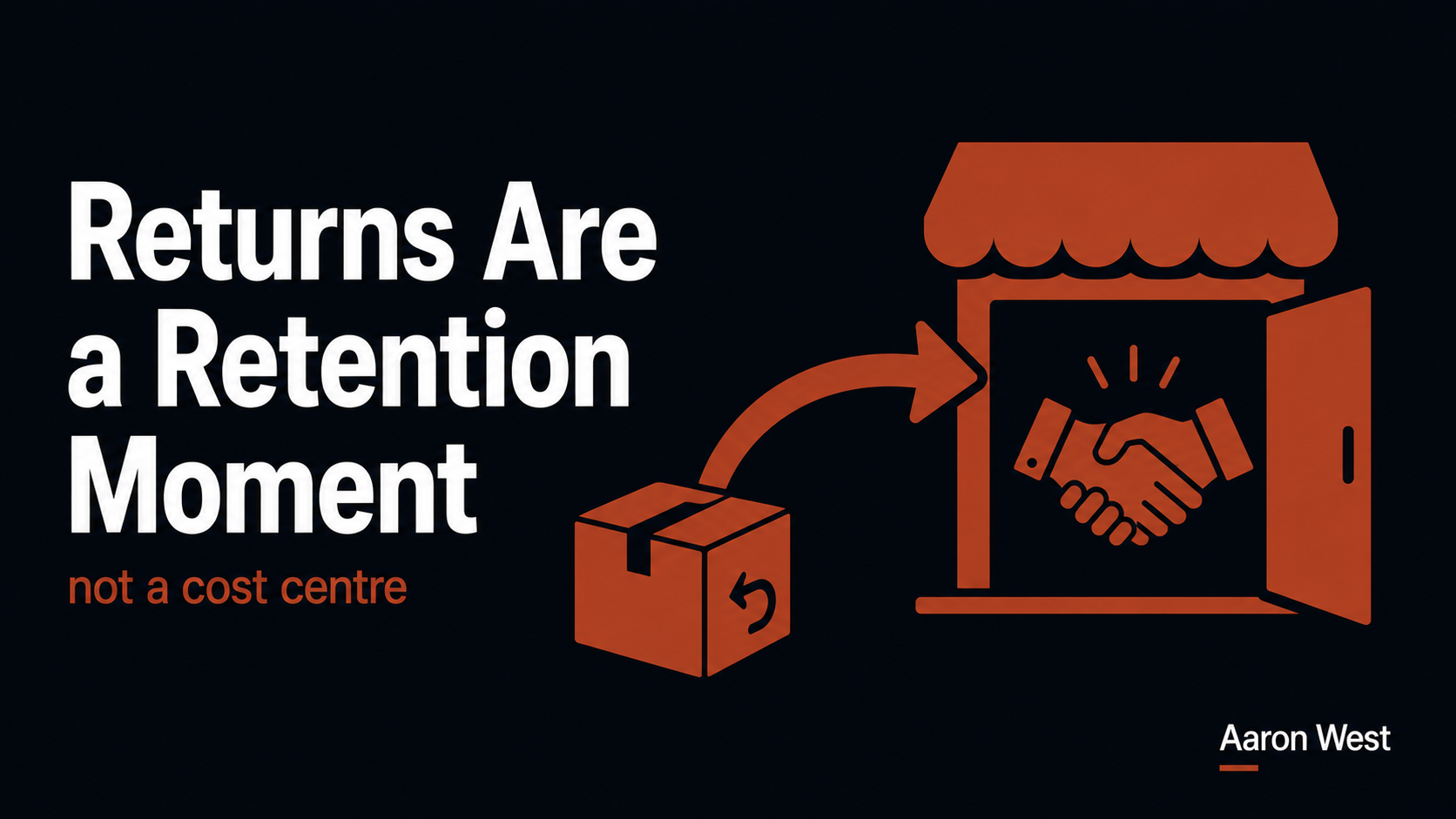
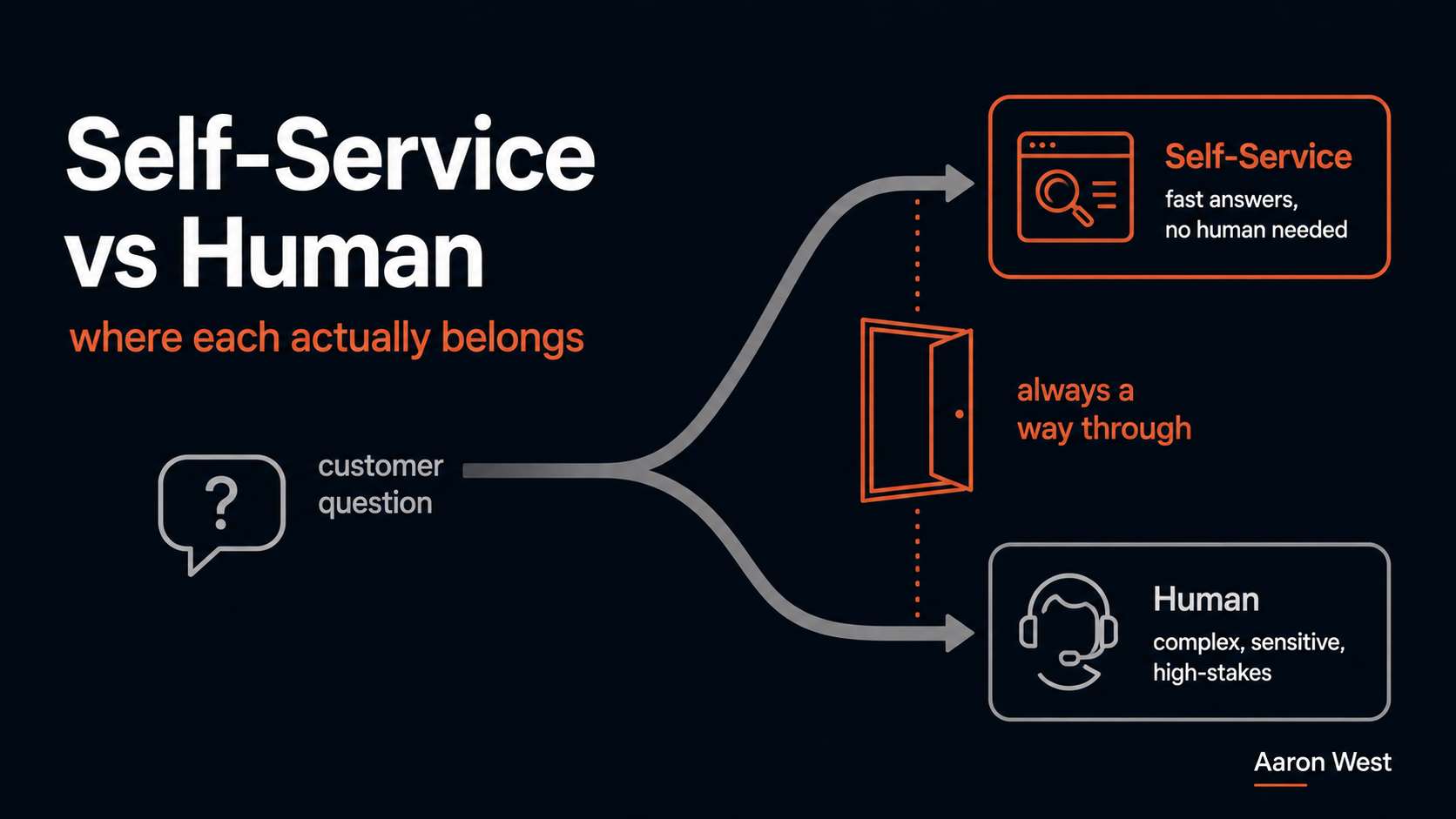
Returns Triage and the Refund Gate

Returns Triage and the Refund Gate

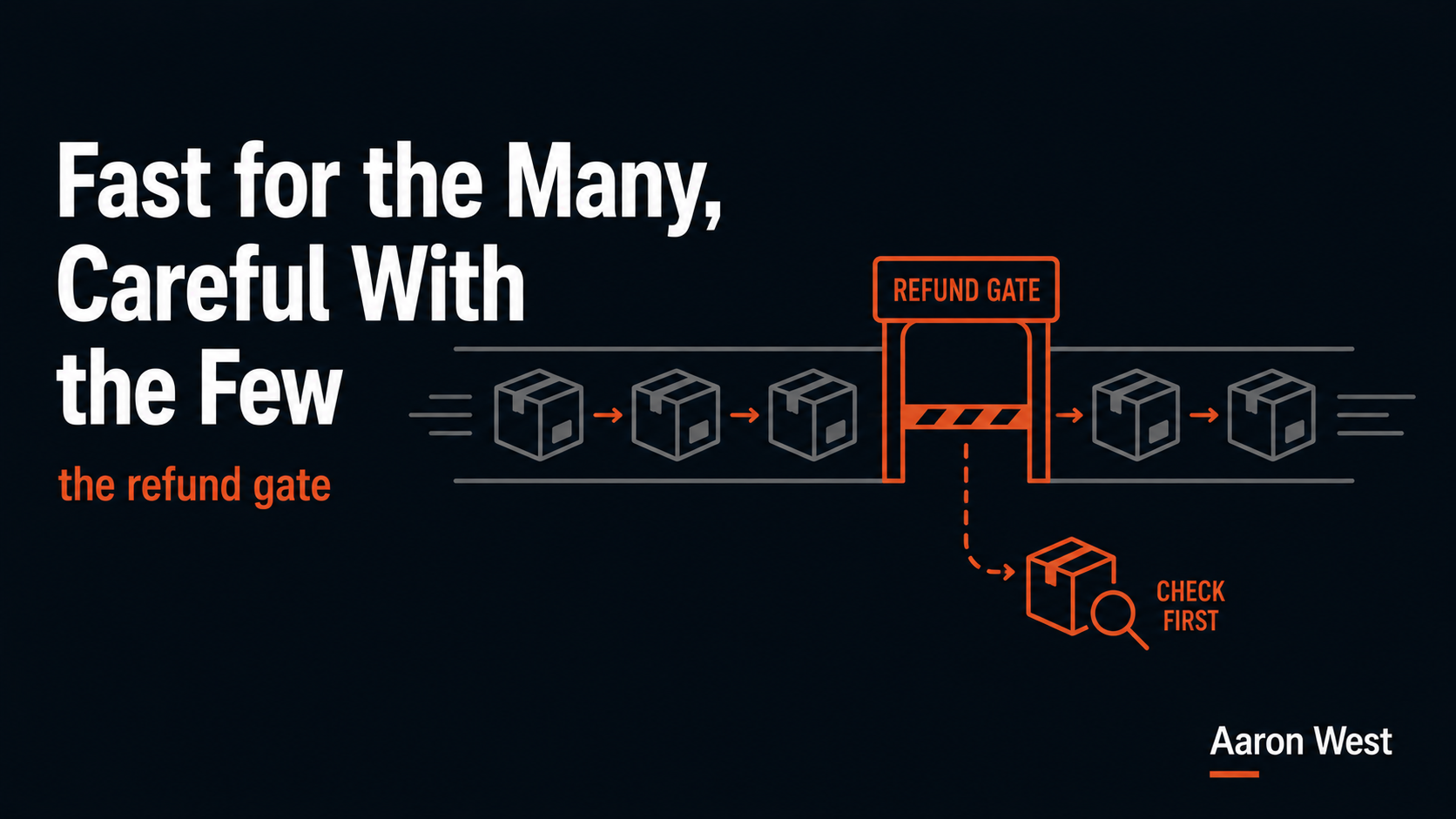
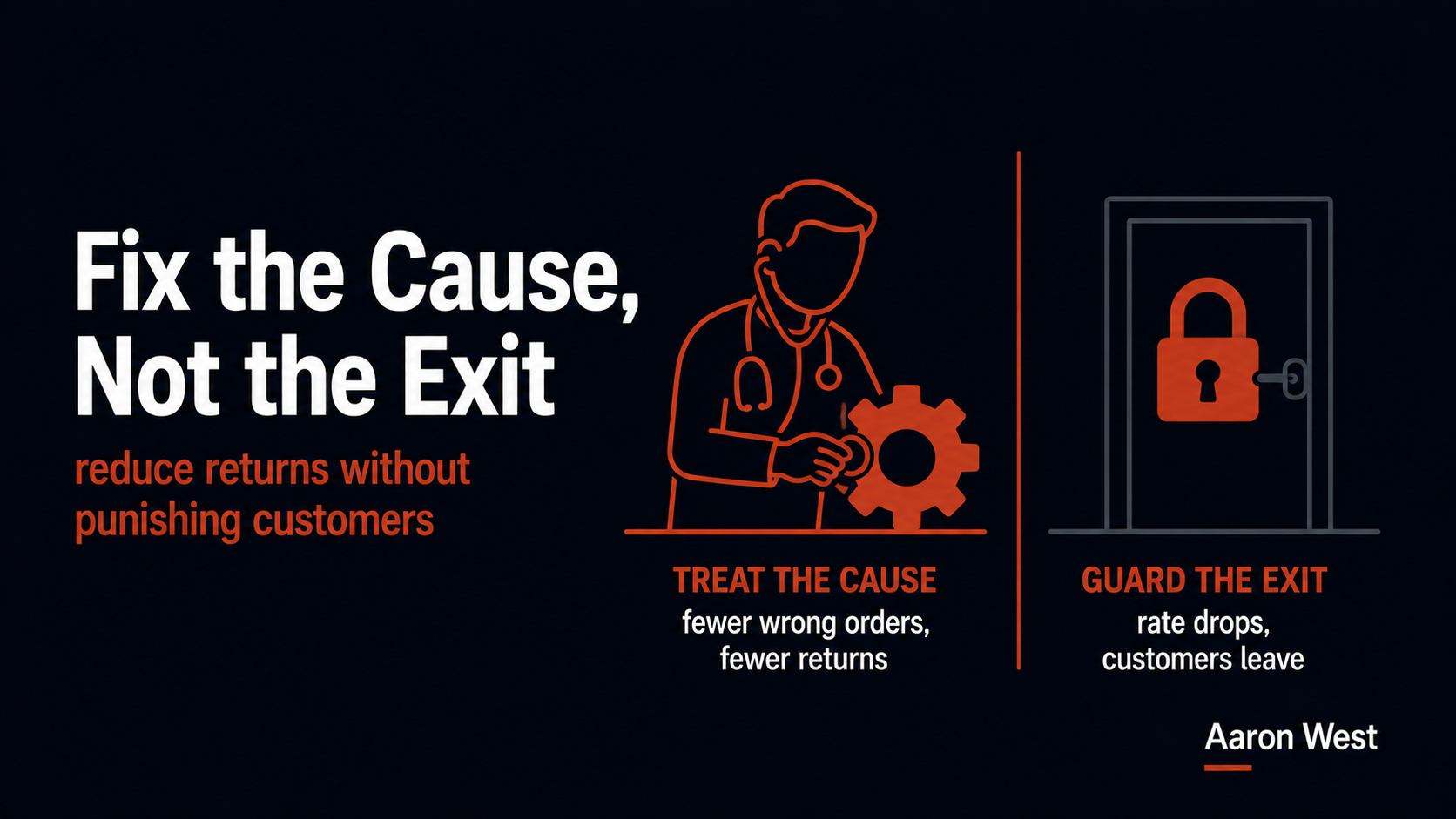
The one place to keep a deliberate control in an otherwise fast, easy returns process is the refund itself: don't release the money before you've confirmed the return is genuine. That's the refund gate, and it's the returns-specific version of a rule that runs through…

Continue reading...

The Returns UX Most Stores Get Wrong

The Returns UX Most Stores Get Wrong

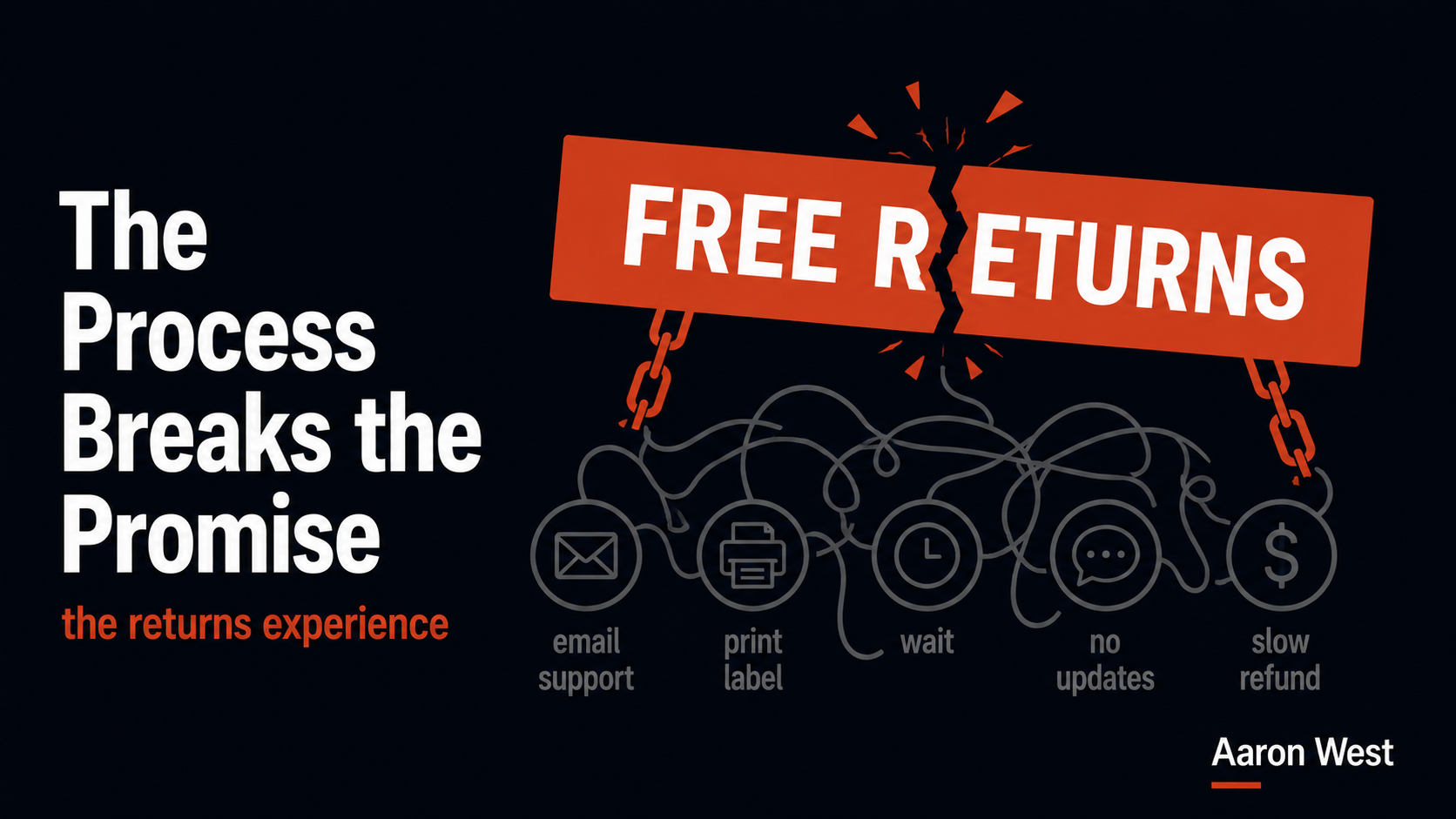
A generous returns policy means nothing if the returns process is painful, and most stores quietly undermine their own policy with a returns experience that's hard to start, slow to resolve, and silent the whole way through. The returns UX is where the policy's promise…

Continue reading...
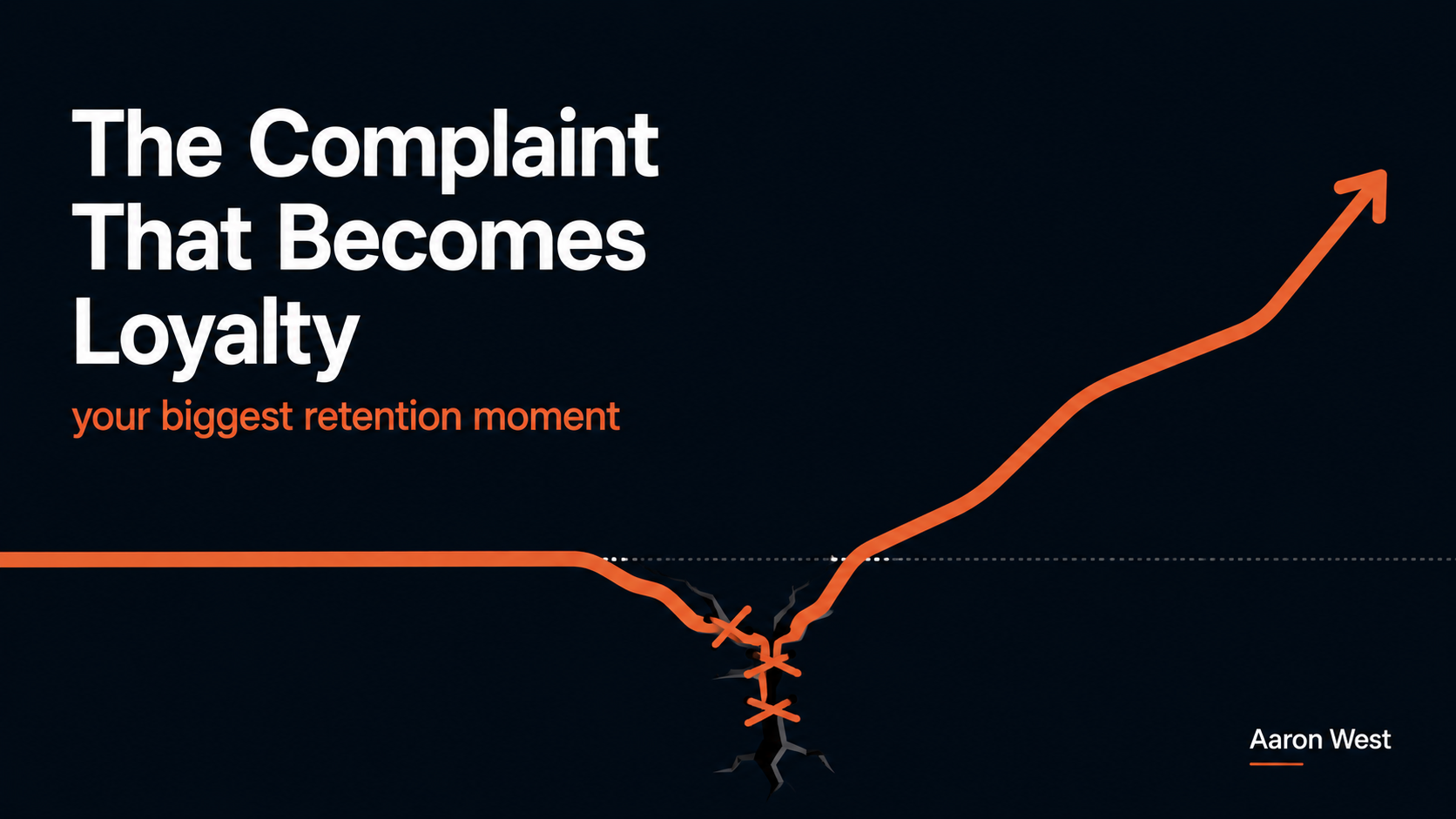
The Complaint That Becomes Loyalty

The Complaint That Becomes Loyalty

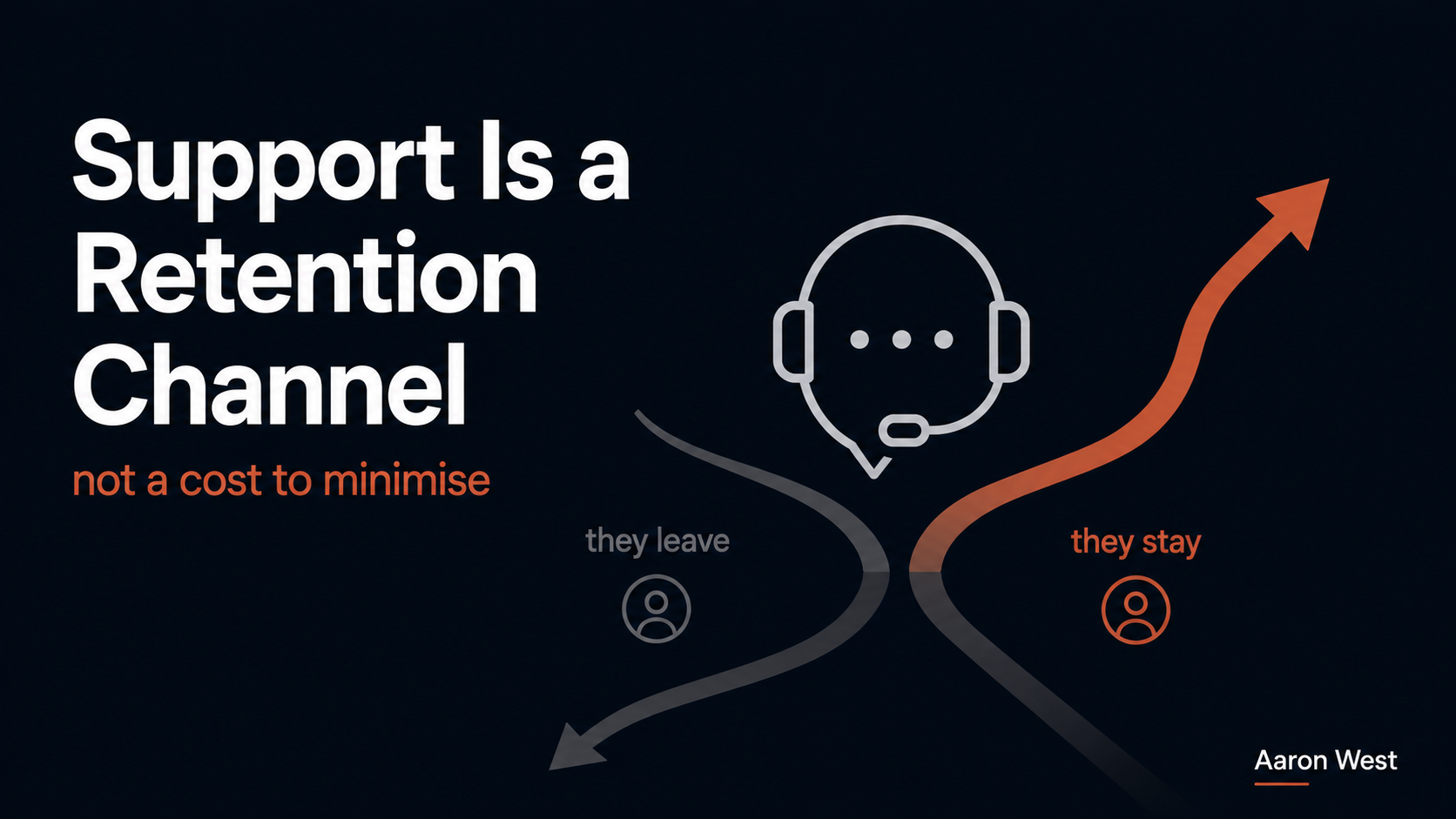
A complaint, handled well, can leave a customer more loyal than if nothing had gone wrong at all. That's the most counterintuitive and most useful fact in customer service: the moment something breaks is the moment you have the customer's full attention and your biggest…

Continue reading...
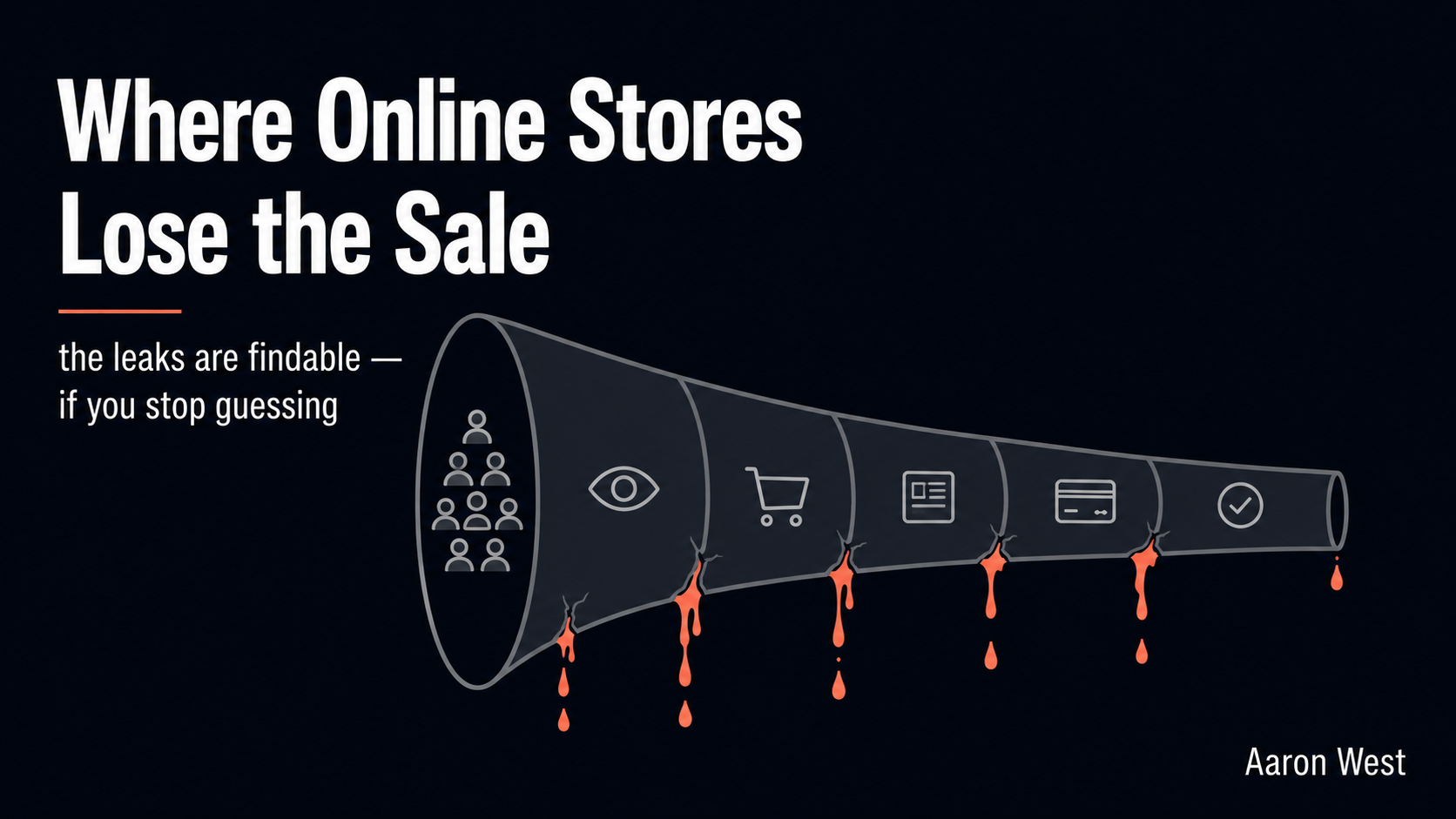
Where Online Stores Lose the Sale

Where Online Stores Lose the Sale

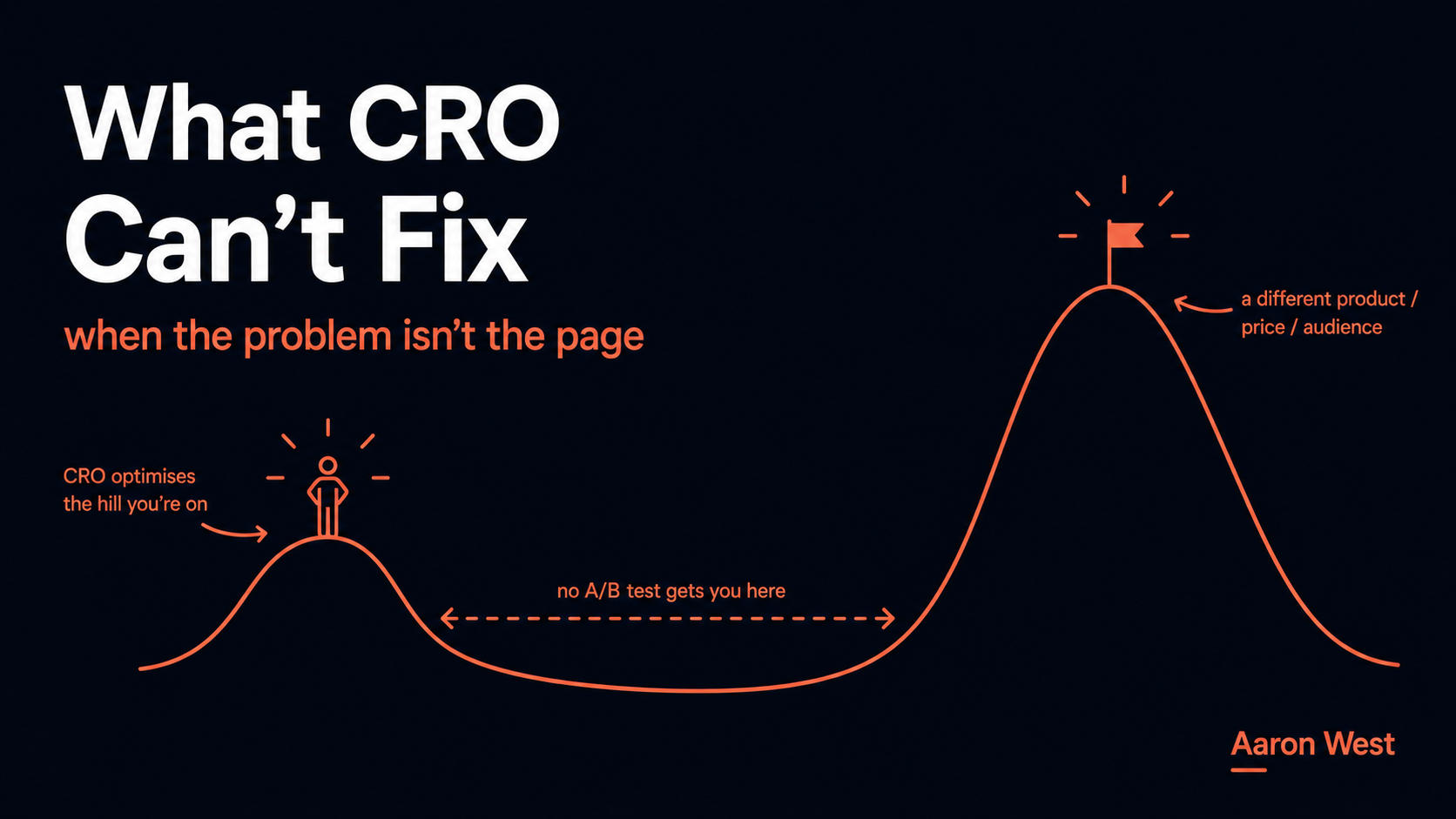
Most online stores spend almost all their energy trying to get more people to show up, and almost none on the fact that the overwhelming majority of the people who already showed up leave without buying. This is backwards. You have, sitting in your analytics…

Continue reading...
Conversion Tracking, End to End

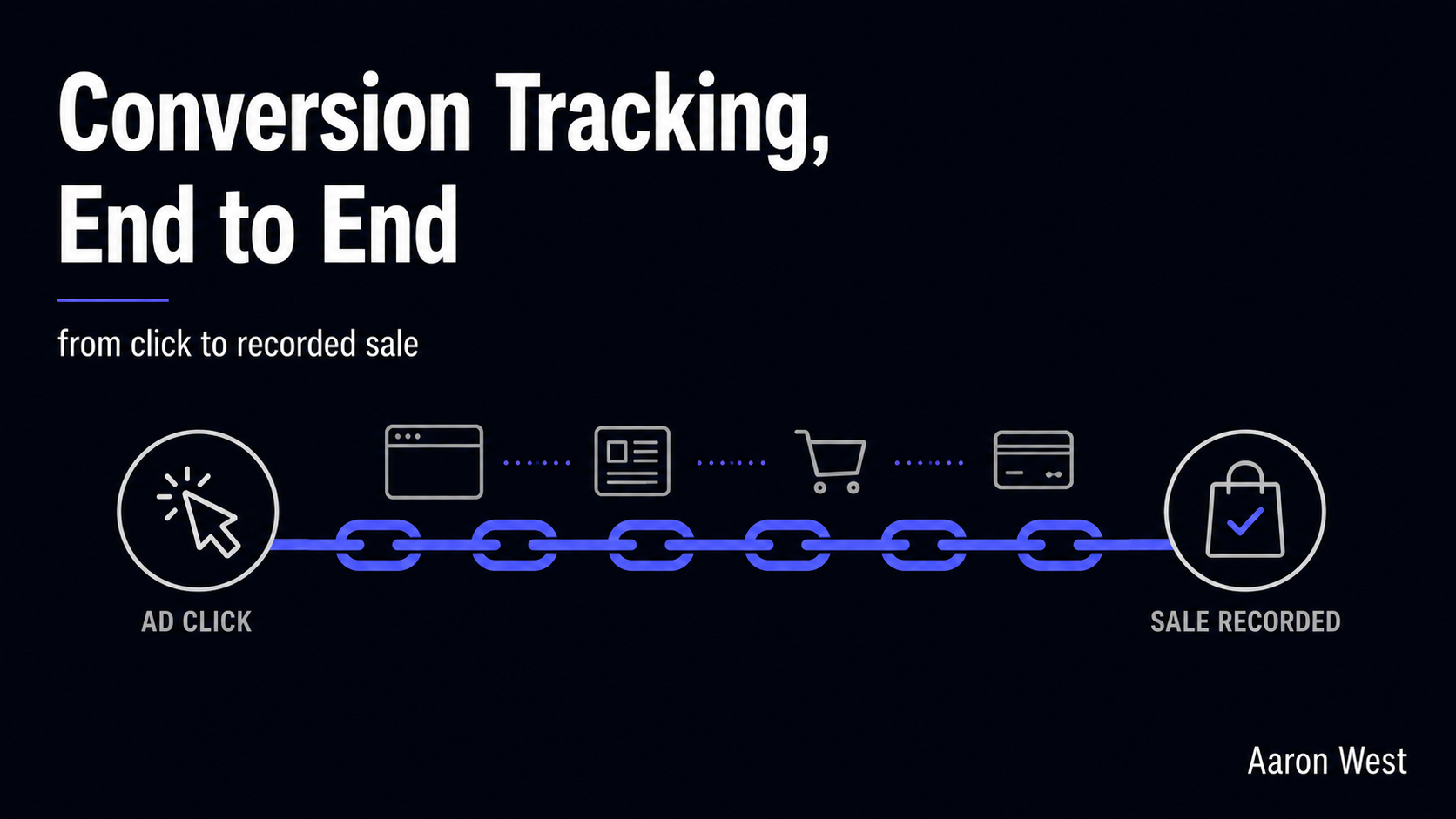
Conversion Tracking, End to End

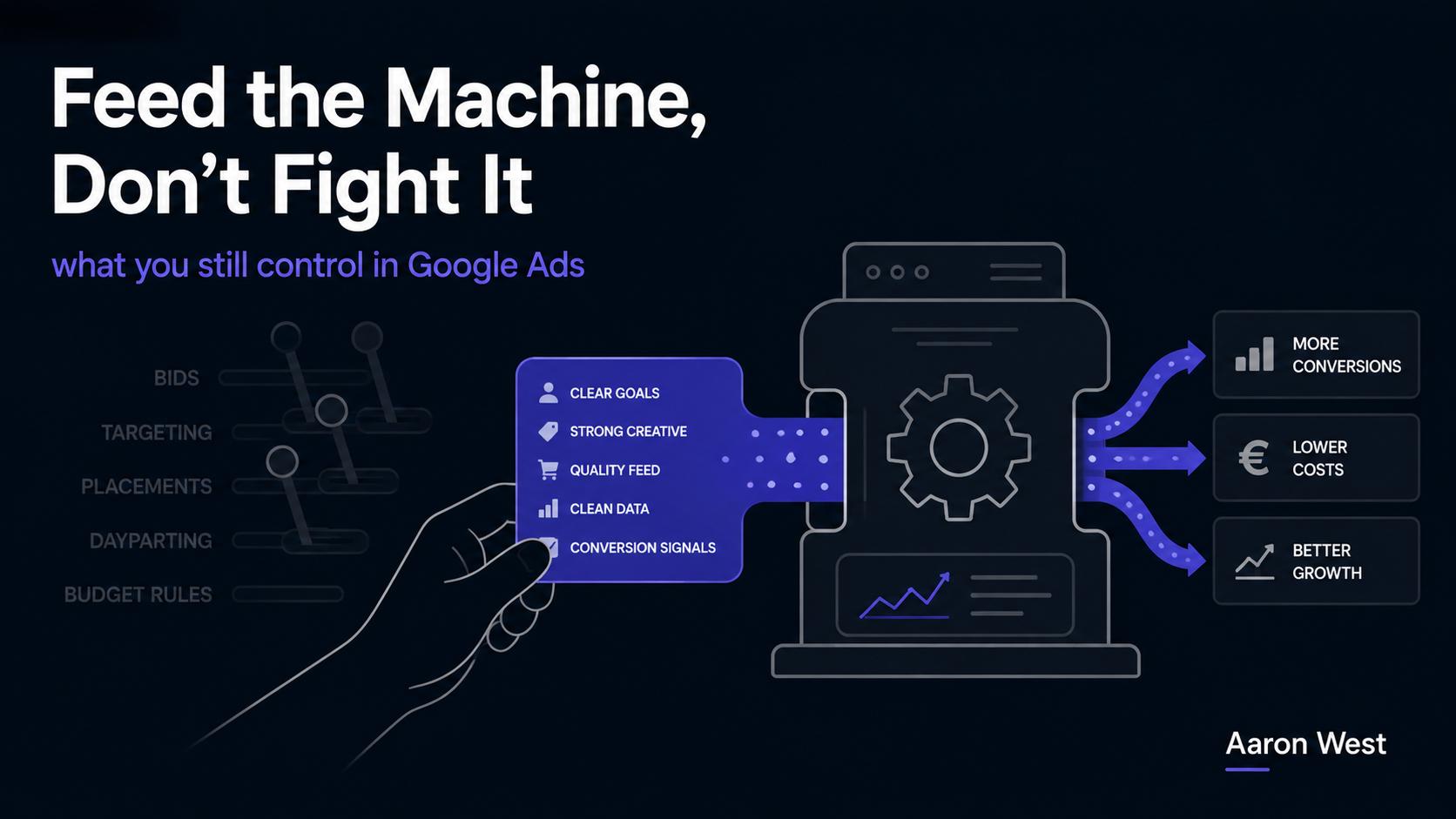
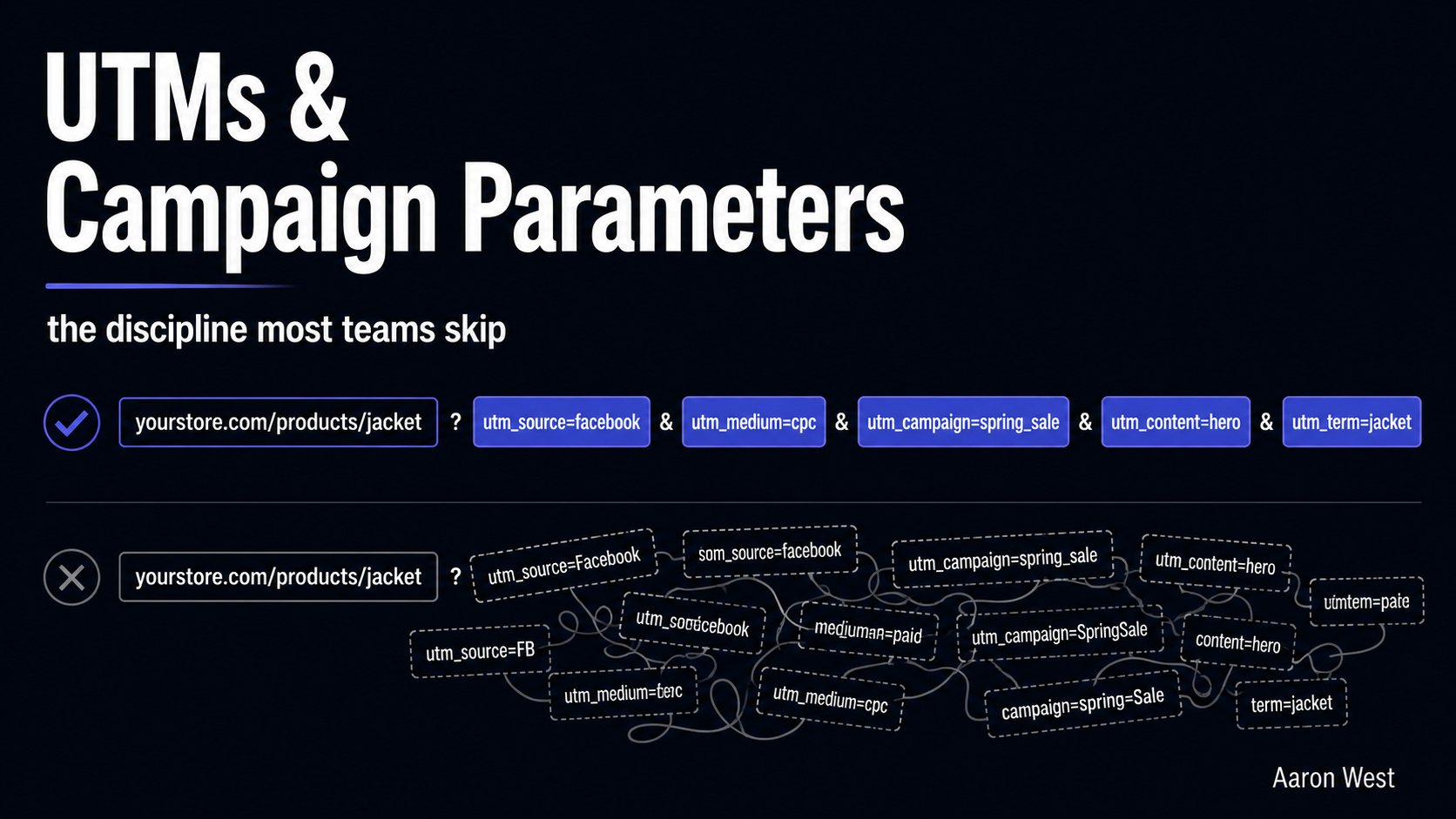
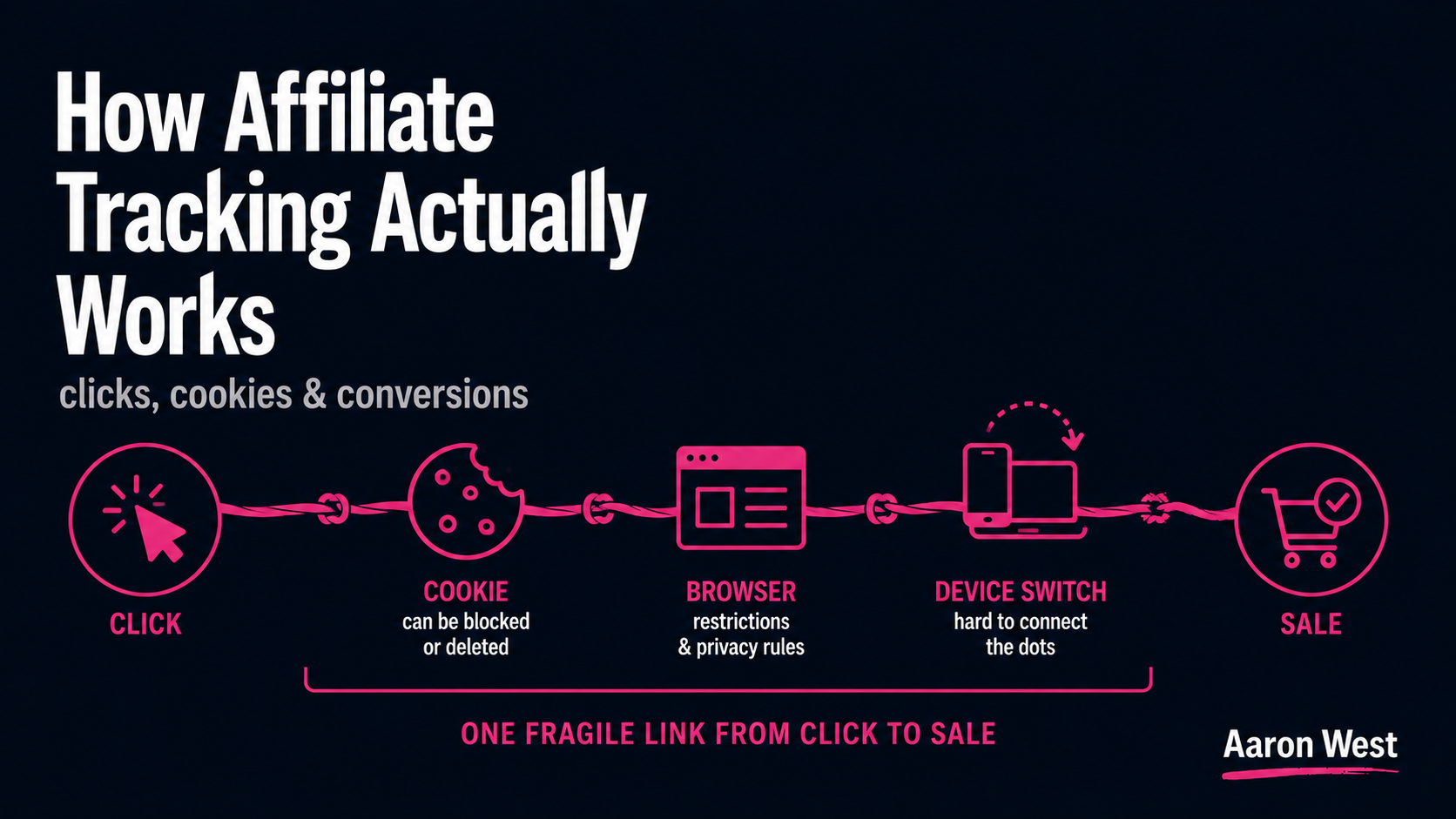
Conversion tracking is the system that connects a marketing action to the result it produced, so that when someone clicks your ad and later buys, you can actually say "that sale came from that ad." Without it, you are spending money and guessing. With it,…

Continue reading...
The Tracking Pixel, Explained

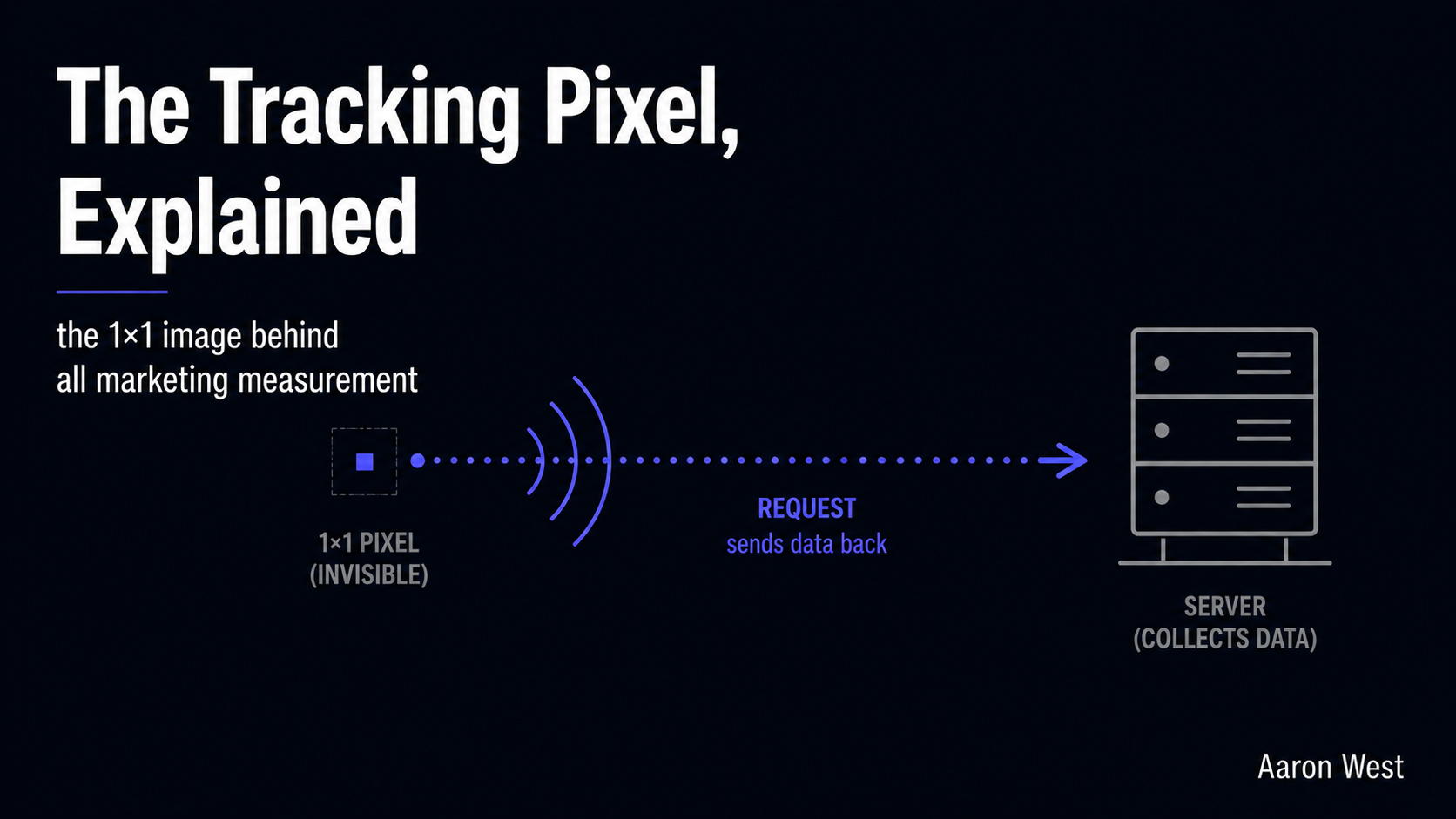
The Tracking Pixel, Explained

A tracking pixel is a tiny, invisible image, usually a single transparent dot one pixel wide, hidden in the code of a web page, email, or ad, and its only job is to quietly report back when something happens. When the page loads, the pixel…

Continue reading...
Cross-Device Tracking and Its Limits

Cross-Device Tracking and Its Limits

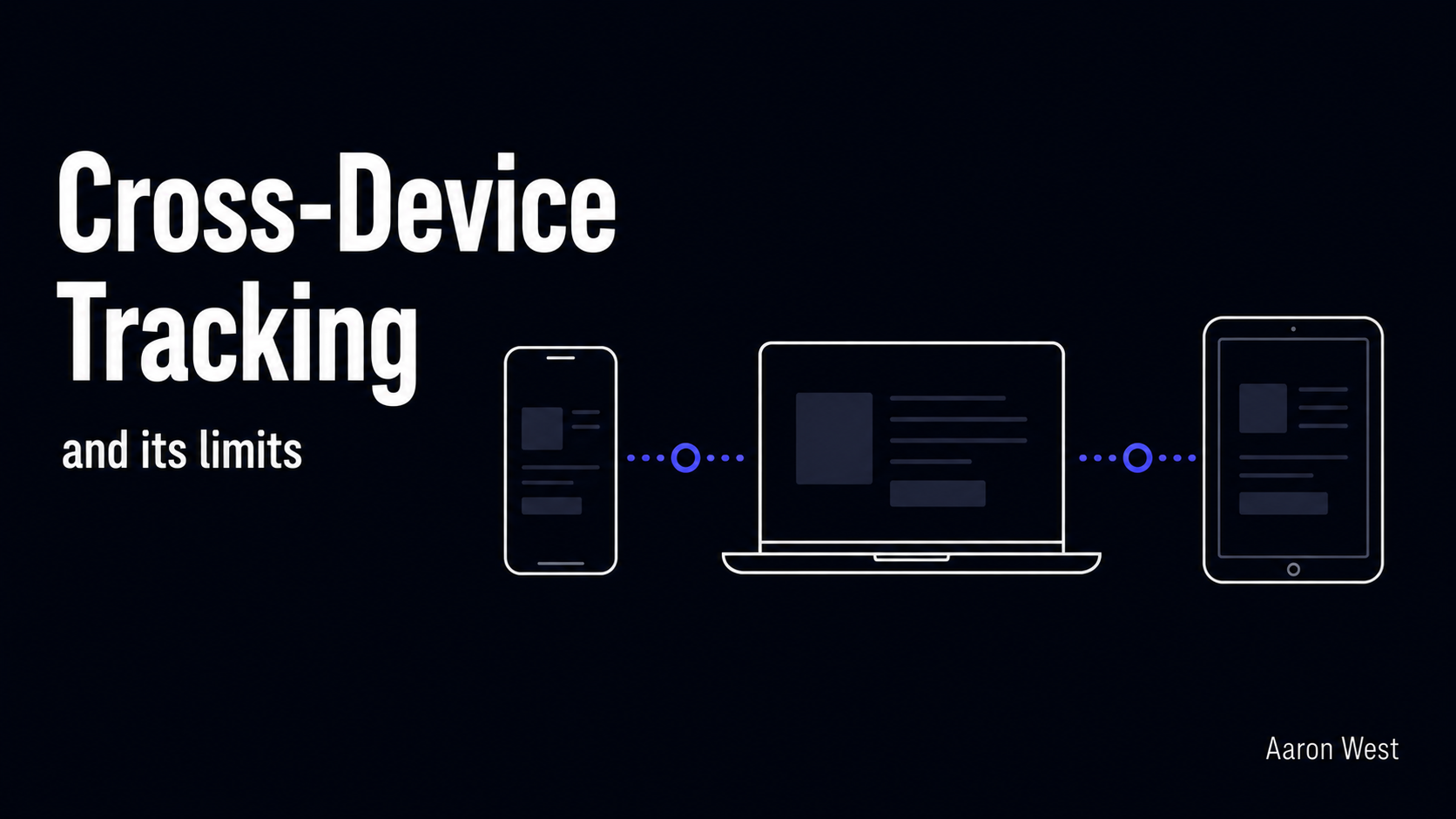
You browse for headphones on your phone during your commute, read reviews on your laptop at work, and finally buy on your tablet that evening. To you, that is one shopping journey. To your analytics, with nothing connecting those devices, it looks like three completely…

Continue reading...
A before/after comparison showing a manual process failing visibly versus a silent automation failure that nobody notices until a customer is affected.

The Error Notification Is the Workflow

In December 2025, one of Amazon's own internal AI tools failed and quietly took down a system for thirteen hours before anyone noticed. Thirteen hours. At Amazon. With Amazon's engineering resources and monitoring budget behind it. I open with that because it settles an argument…

Continue reading...

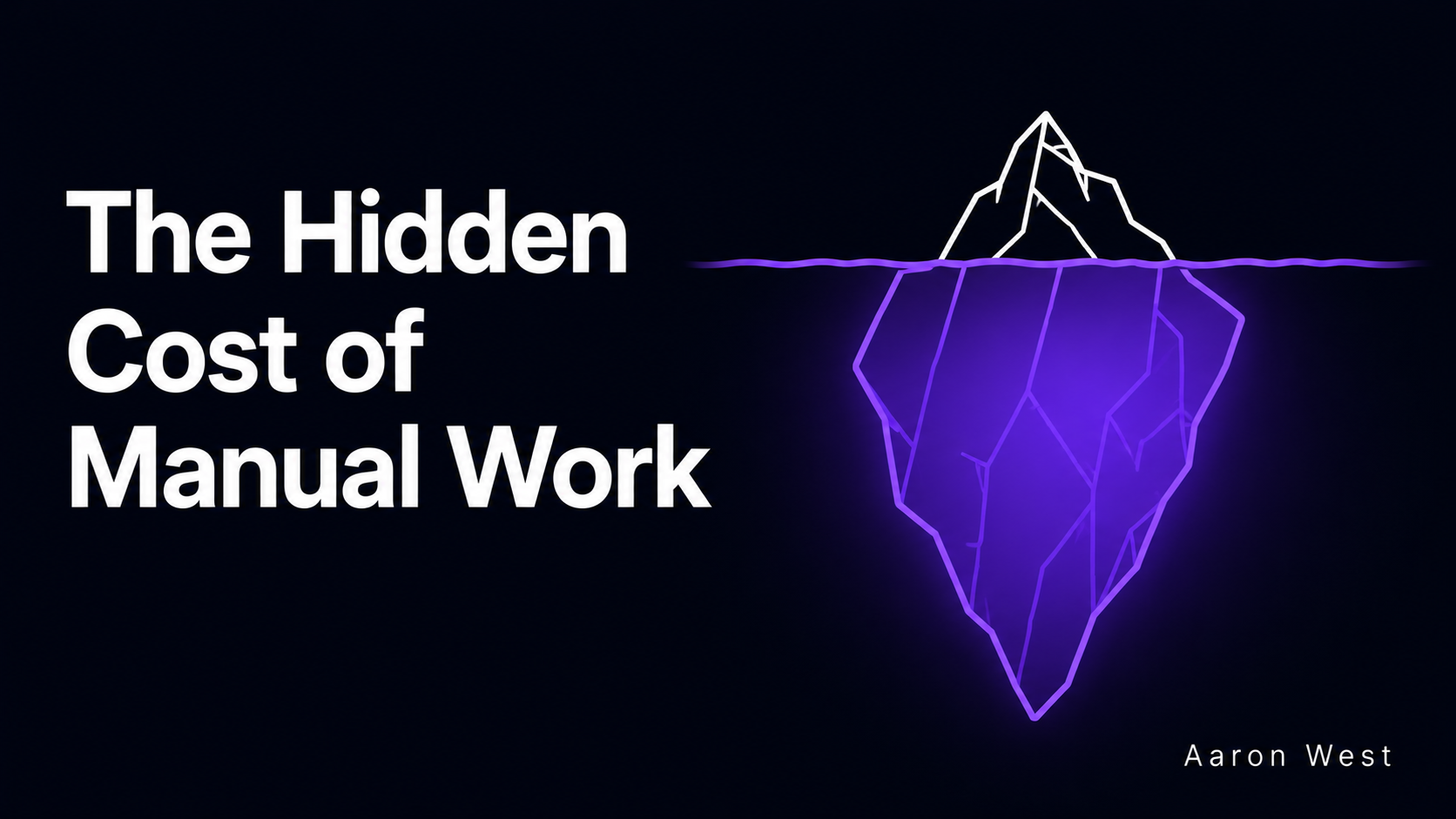
An iceberg diagram showing budgeted costs above the waterline and the larger hidden costs of manual operations below: labour, errors, decision delay, and opportunity cost.

The Hidden Cost of Manual Operations

Ask most e-commerce teams what their operations cost, and they will point you to the obvious line items. Software subscriptions. Fulfilment fees. Headcount. What almost nobody can tell you is the cost of the work itself, the hours that disappear every week into copying data…

Continue reading...
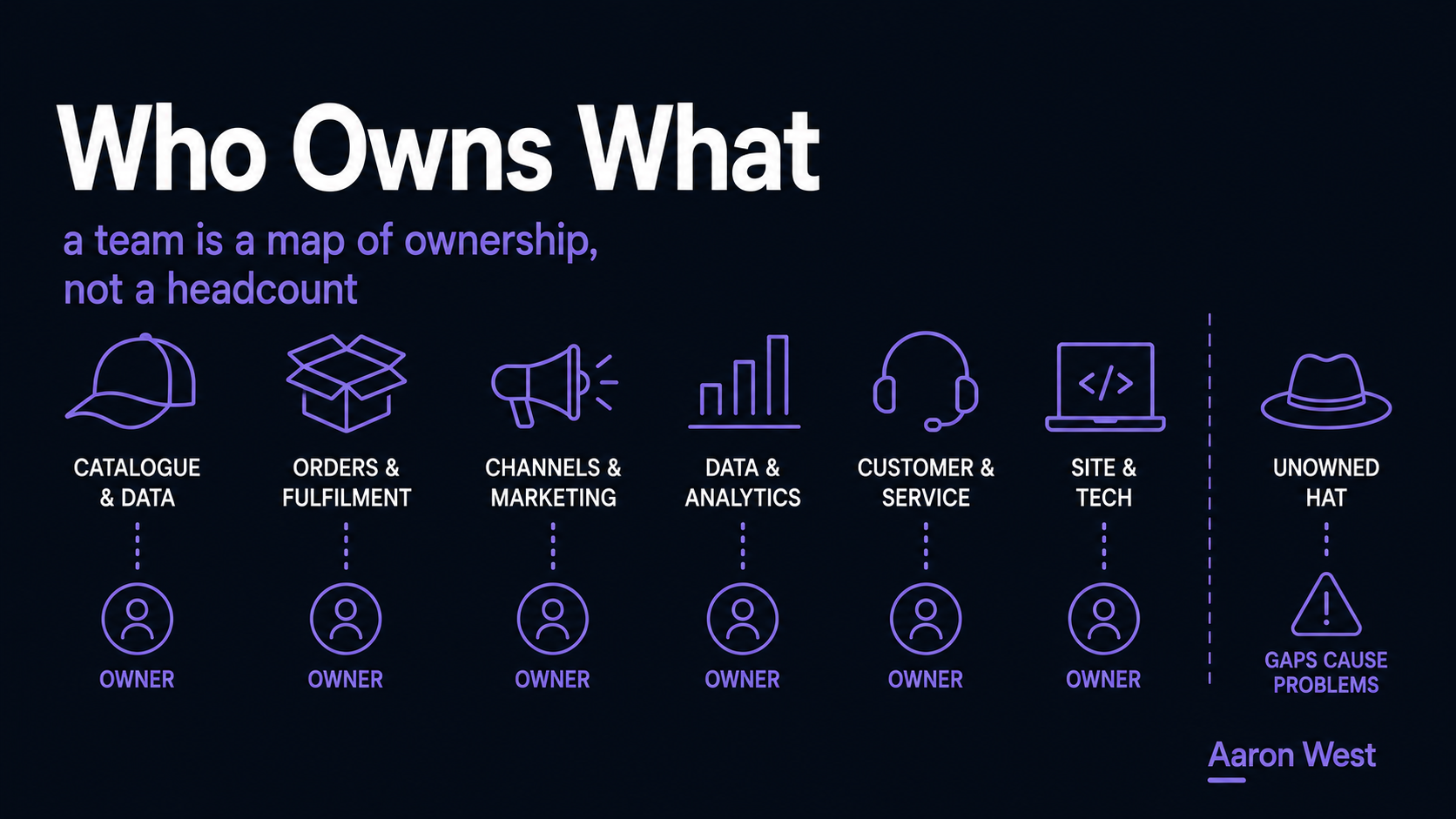
Diagram classifying a team's working time into judgment, system-mediated, and transfer tasks, with transfer tasks marked as the first to automate.

How I Think About Automation in E-Commerce

The most expensive automation mistake I see isn't a broken workflow. It's a flawless workflow automating a task that should never have existed in the first place. I've watched smart people spend a weekend building something genuinely impressive. A form that triggers an email, creates…

Continue reading...