Returns Are a Retention Moment, Not a Cost Centre

Table of Contents
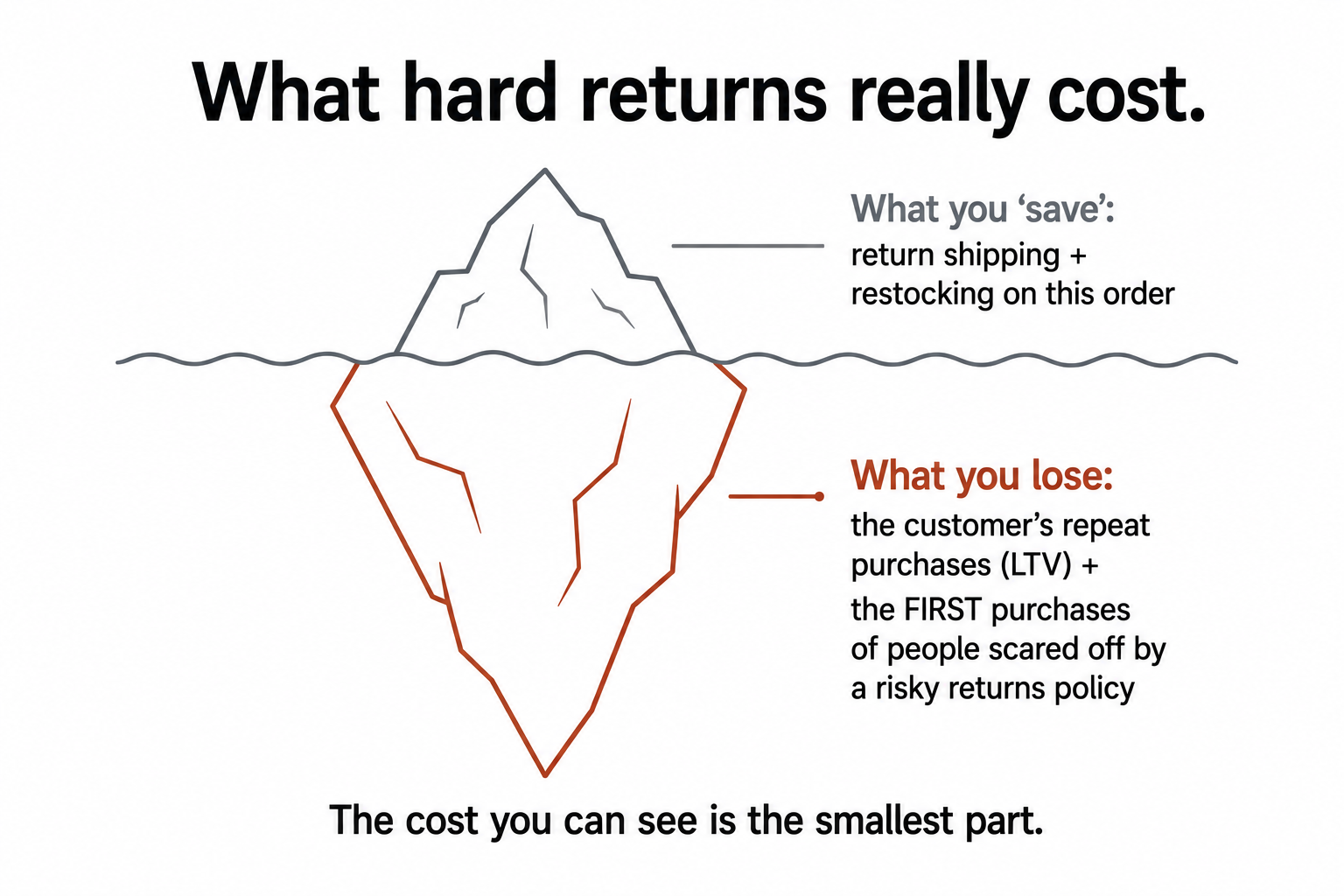
A return is not a cost to minimise. It's a service moment that decides whether the customer ever buys from you again. Most stores see only the direct cost of returns, the return shipping, the restocking, the refunded money, and respond by making returns harder: strict windows, restocking fees, awkward processes. That "saves" money on the returns line while quietly costing far more in two places you don't measure: the repeat business of customers who had a painful return, and the first purchases of customers who never bought because your returns looked risky. Returns are a retention lever wearing a logistics cost's clothing.
This opens the Returns & Reverse Logistics pillar, and it's the cornerstone the cluster links up to: the returns policy as a conversion lever, reducing returns without making them painful, the returns experience itself, and the one place in the flow that should keep a human gate. But it all rests on reframing the return from a cost to suppress into a moment to win, the exact same shift the support pillar makes about customer service.
The cost-centre framing, and why it's the wrong lens
If you look at returns through accounting alone, the logic seems airtight: each return costs you shipping, handling, restocking, and a refunded sale, so fewer and harder returns must mean a healthier business. That framing leads directly to friction, the short return window, the restocking fee, the "final sale" labels, the process designed to be just annoying enough that some people give up. And it works, in the narrow sense that it reduces the number on the returns line.
It's the same trap the support pillar describes about treating service as a cost: optimising the visible cost line by quietly destroying an invisible asset. A returns policy designed to minimise return cost optimises for "fewer, cheaper returns," not for "customers who buy again." Those are different goals, and chasing the first at the expense of the second is how stores win the line item and lose the relationship. The right measure of a returns programme isn't the cost it shaved; it's the lifetime value it retained, and the first-time customers it made brave enough to buy.
The return is a moment of truth
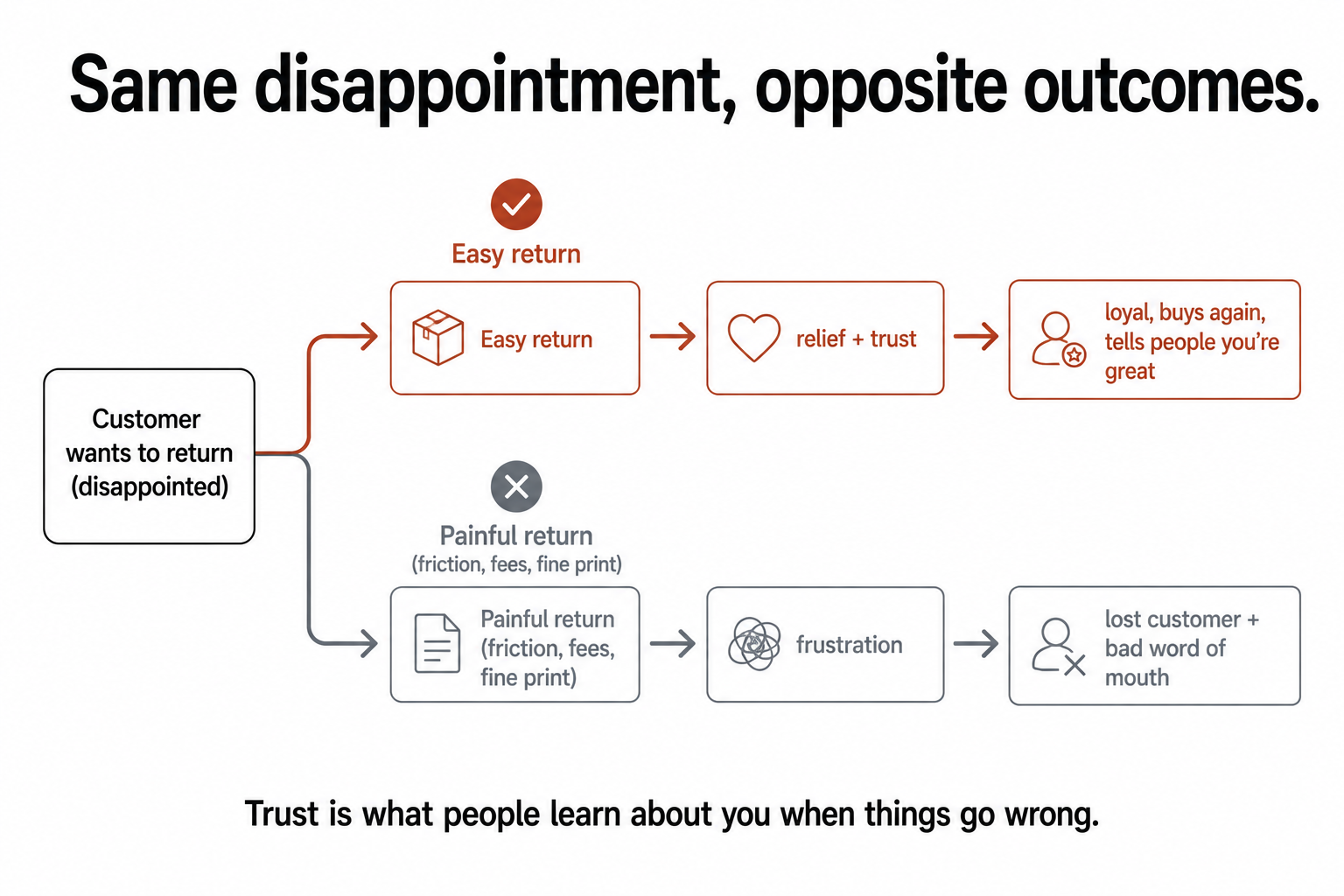
Think about who is asking for a return. By definition, it's a customer at a low point: the product didn't fit, didn't work, didn't match expectations, or they simply changed their mind. They're mildly disappointed, slightly out of pocket, and bracing for hassle. What happens next is one of the most vivid signals they'll ever get about what you're actually like to deal with, far more telling than anything on your product pages, because now there's friction and they're watching how you handle it.
Handle it well, an easy, no-drama return that gets them their money back fast, and something counterintuitive happens: the disappointed customer often ends up more loyal than one whose order went perfectly. They took a risk, it didn't work out, and you made it painless, which is exactly when trust is built, because trust is what you learn about someone when things go wrong, not when they go right. Handle it badly, with friction and fees and fine print, and you take a recoverable disappointment and turn it into a lost customer who now tells other people you're difficult. Same starting point, opposite outcomes, decided entirely by how you treat the return.
The two hidden costs of hard returns
The reason the cost-centre lens is so misleading is that it counts the cost of a return but not the cost of making returns hard. There are two, and both are bigger than the line they're protecting.
The first is lost repeat purchase. The customer who fought through a painful return doesn't come back. You "saved" the restocking cost on that one transaction and lost every future transaction that customer would have made, their whole remaining lifetime value, which for most businesses dwarfs the cost of one return. This is where returns meets retention: a return handled badly is a churn event you caused on purpose to save a few euros of logistics.
The second is more counterintuitive and bigger still: lost first purchase. Your returns policy isn't only seen by people returning things; it's read by people deciding whether to buy. Online, where the customer can't touch the product, the returns policy is a core part of how they judge the risk of ordering. A generous, clearly-stated returns policy lowers the perceived risk of buying and lifts conversion; a scary, restrictive, or hard-to-find one raises that risk and quietly suppresses sales before they ever happen. This is the genuinely surprising part for the cost-centre mindset: good returns don't just retain customers, they sell, which is why the policy belongs in the conversion conversation as much as the logistics one. Tighten your returns to save cost and you can lose more in suppressed first orders than you ever saved in avoided returns.
The honest balance, not a free-for-all
None of this means "make every return free and frictionless no matter what." Returns carry real cost, some categories run high return rates that genuinely threaten margin, and return abuse, wardrobing, serial returners, fraudulent claims, is real and worth controlling. A cornerstone that pretended otherwise wouldn't be honest.
The point is the weighing, not a blanket policy. The decision isn't "minimise return cost"; it's "balance the direct cost of returns against the retention and conversion value of handling them well, and design the experience deliberately rather than defaulting to friction because friction looks cheaper on the returns line." For most stores, especially online, that balance lands far more generous than the cost-centre instinct suggests, because the hidden costs of hard returns are so large. But it's a deliberate calibration per business and per category, not a reflex in either direction. The cluster pieces get into where the lines sit: reducing returns by fixing their causes rather than restricting access, and keeping a confirmation gate on the one genuinely irreversible step.
Returns are also telling you something
One more reframe the cost-centre lens misses entirely: a return is data. A product with a high return rate is sending you a message, the sizing runs wrong, the photos or description oversold it, there's a quality problem, the wrong customers are buying it. Treated as pure cost, that signal gets thrown away with the returned item. Treated as feedback, it tells you exactly what to fix on the product page, in the sizing guidance, or in the product itself, which is how you reduce returns at the source instead of by punishing customers for making them. The returns data is one of the most honest quality signals your store produces, because it's customers voting with the most effort they can: sending the thing back.
What this comes down to
Every return is a customer deciding whether you were worth the risk they took. Make it easy and you turn a disappointment into a reason to come back, and you make the next customer braver about buying in the first place. Treat it as a cost to suppress, and you win the returns line item while losing the customer's future and quietly scaring off the ones who never bought because your policy looked like a trap.
Returns aren't where margin goes to die. They're where loyalty is won or lost, where hesitant buyers decide to risk a first order, and where your products tell you the truth about themselves. The stores that understand that stop asking "how do we reduce the cost of returns" and start asking "how do we use this moment to earn the next sale."
A few common questions
Are returns just a cost to minimise? No, and treating them that way is the core mistake. A return is a service moment that decides whether the customer buys again, and seeing only the direct cost (shipping, restocking, the refund) leads to friction that "saves" the line item while costing far more in lost repeat business and lost first purchases. The right measure isn't the return cost you shaved; it's the lifetime value you retained and the hesitant customers your policy made brave enough to buy.
How can a generous returns policy increase sales? Because the returns policy isn't only read by people returning things, it's read by people deciding whether to buy. Online, where customers can't touch the product, a clear and generous returns policy lowers the perceived risk of ordering and lifts conversion, while a restrictive or hard-to-find one raises that risk and suppresses sales before they happen. Good returns don't just retain customers; they sell, which is the part the cost-centre view completely misses.
Doesn't making returns easy invite abuse? Some, and return abuse is real and worth controlling, so this isn't an argument for a frictionless free-for-all. It's an argument for weighing the direct cost of returns against the (much larger, usually hidden) retention and conversion value of handling them well, then designing the experience deliberately. For most stores that balance lands more generous than instinct suggests, but it's a calibration per business and category, with sensible controls on genuine abuse, not a blanket policy in either direction.
What can return data tell me? A lot. A product with a high return rate is signalling something, sizing that runs wrong, photos or descriptions that oversold it, a quality issue, or the wrong customers buying it. Treated as cost, that signal is thrown away with the returned item; treated as feedback, it tells you what to fix at the source, which reduces returns by removing their cause rather than by punishing customers for making them. Return data is one of the most honest quality signals your store produces.
You should also read:
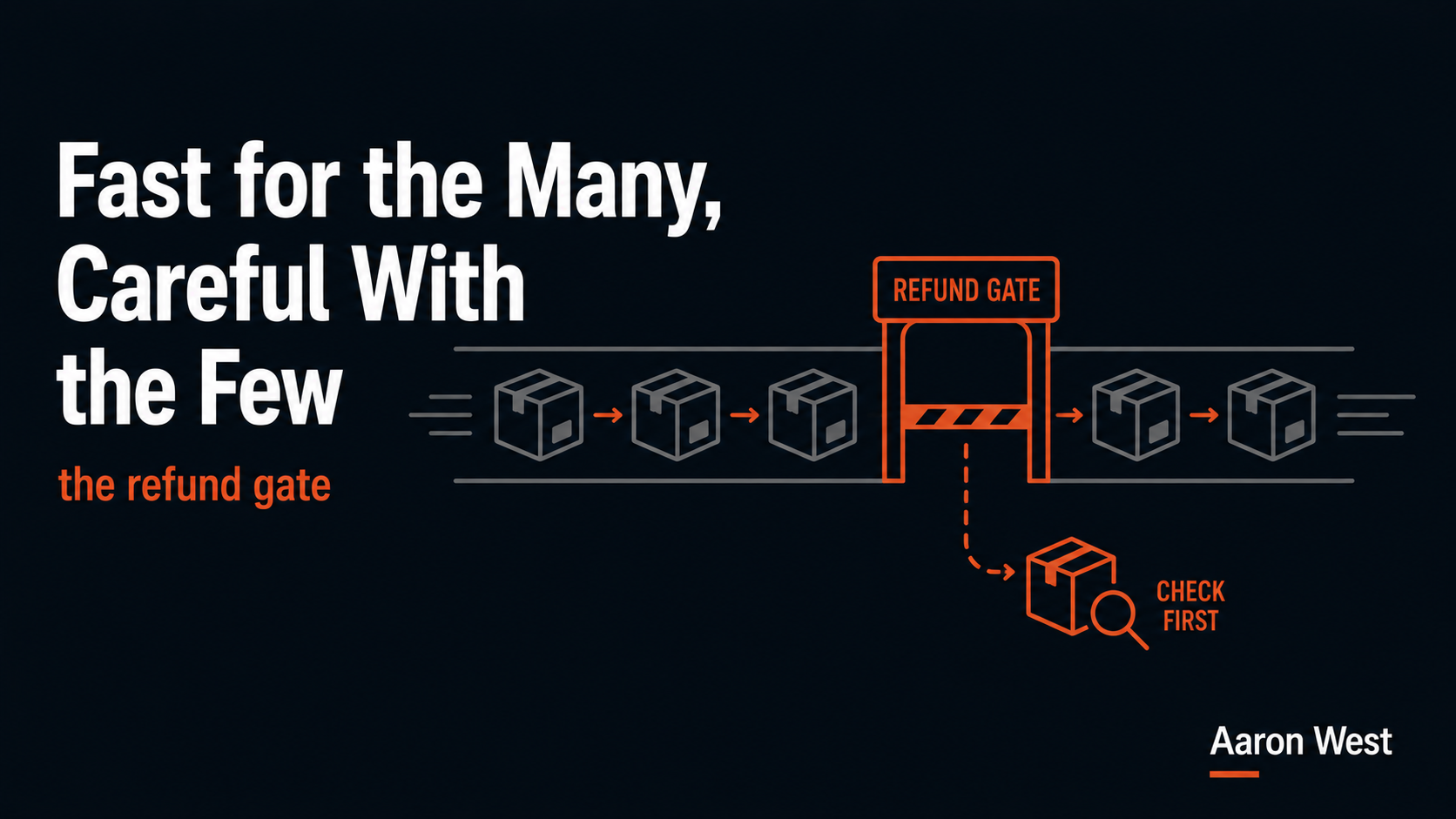
Returns Triage and the Refund Gate
The one place to keep a deliberate control in an otherwise fast, easy returns process is the refund itself: don't release the money before you've confirmed the return is genuine. That's the refund gate, and it's the returns-specific version of a rule that runs through…
Continue reading...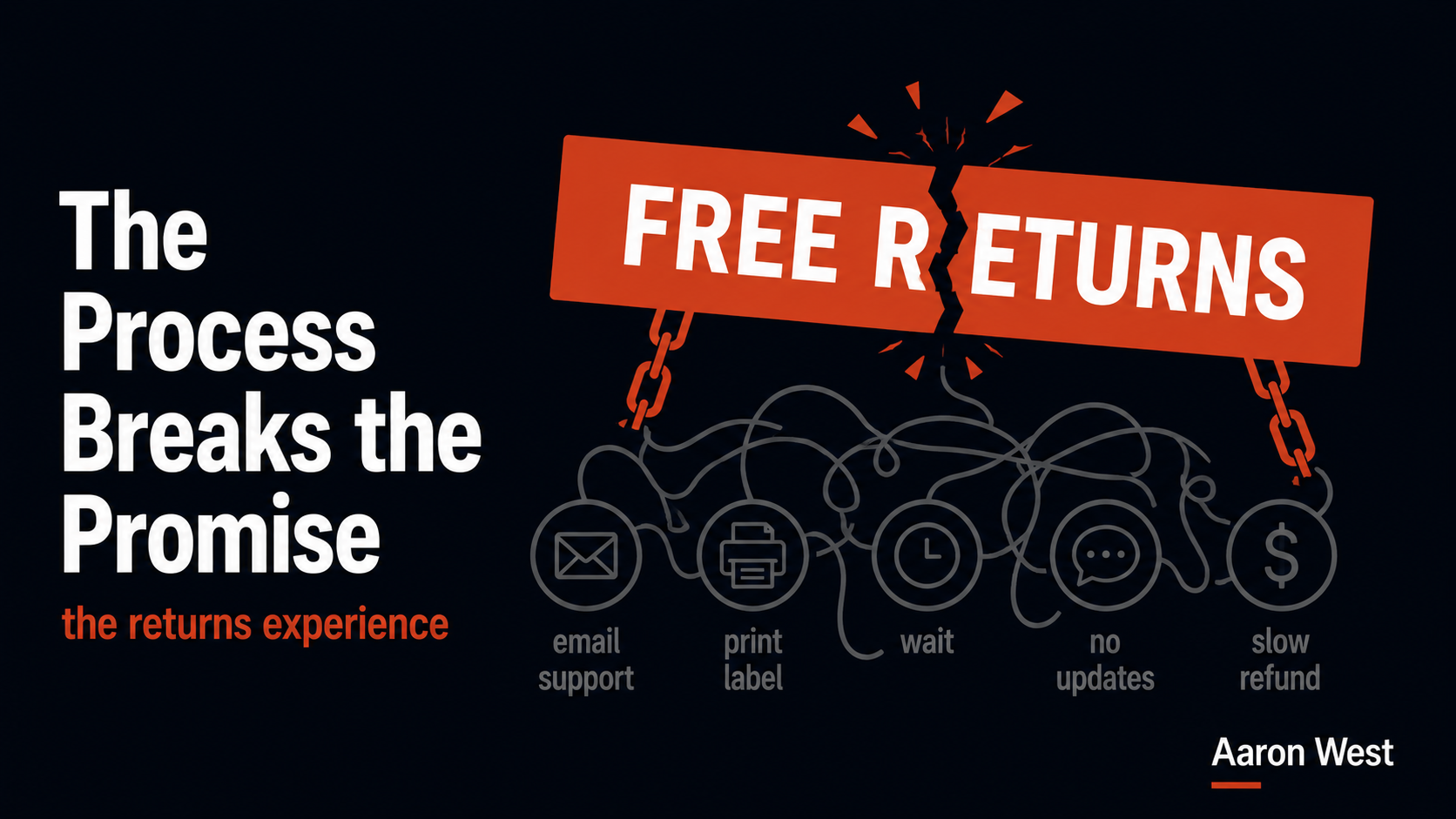
The Returns UX Most Stores Get Wrong
A generous returns policy means nothing if the returns process is painful, and most stores quietly undermine their own policy with a returns experience that's hard to start, slow to resolve, and silent the whole way through. The returns UX is where the policy's promise…
Continue reading...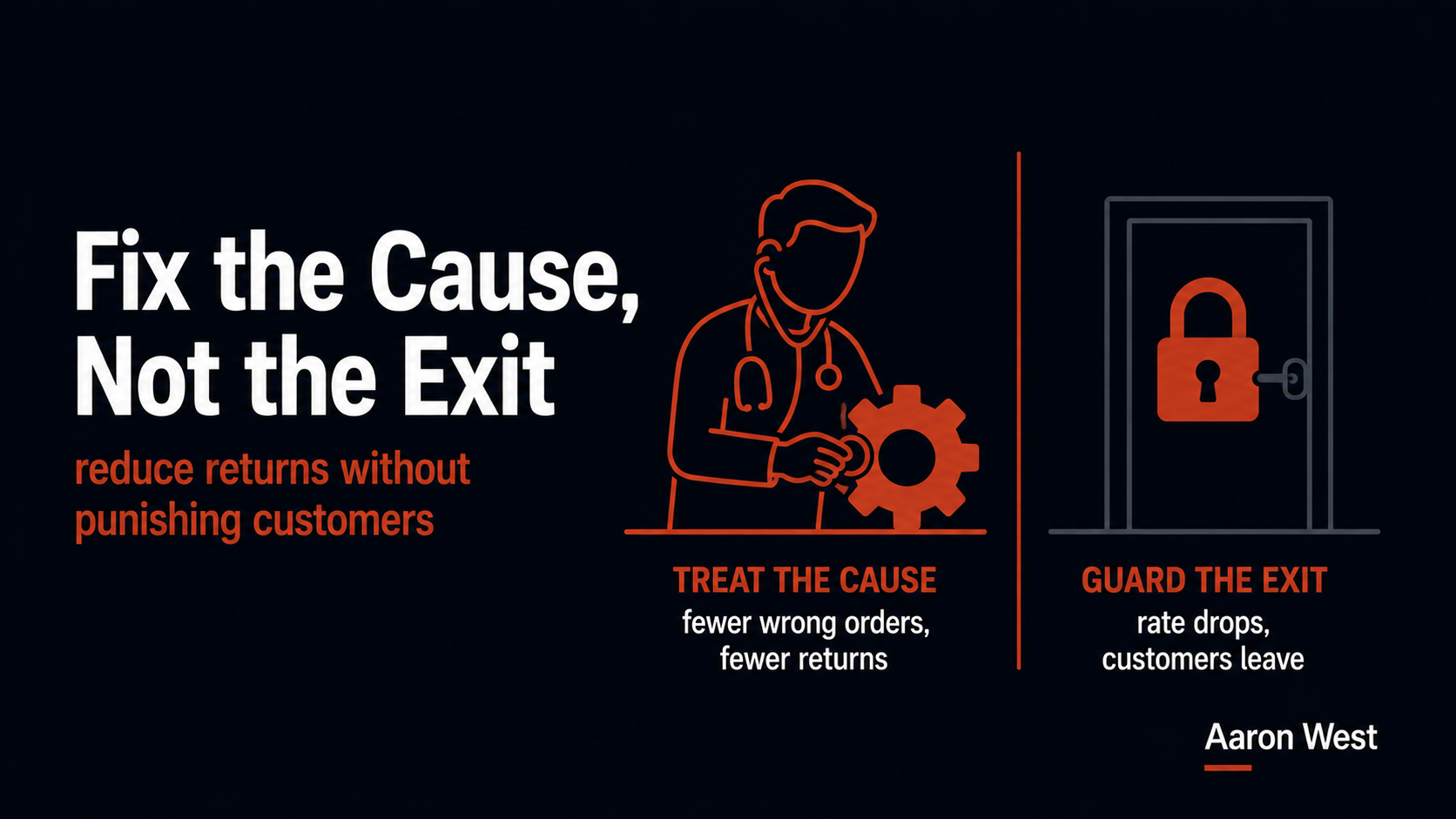
Reducing Returns Without Making Them Painful: Fix the Cause, Not the Access
The right way to reduce returns is to remove the reasons people return, not to make returning harder. Making returns painful does cut the return rate, but it does it by losing the customer, the exact mistake the cost-centre view makes. Reducing the cause, the…
Continue reading...