The Returns UX Most Stores Get Wrong

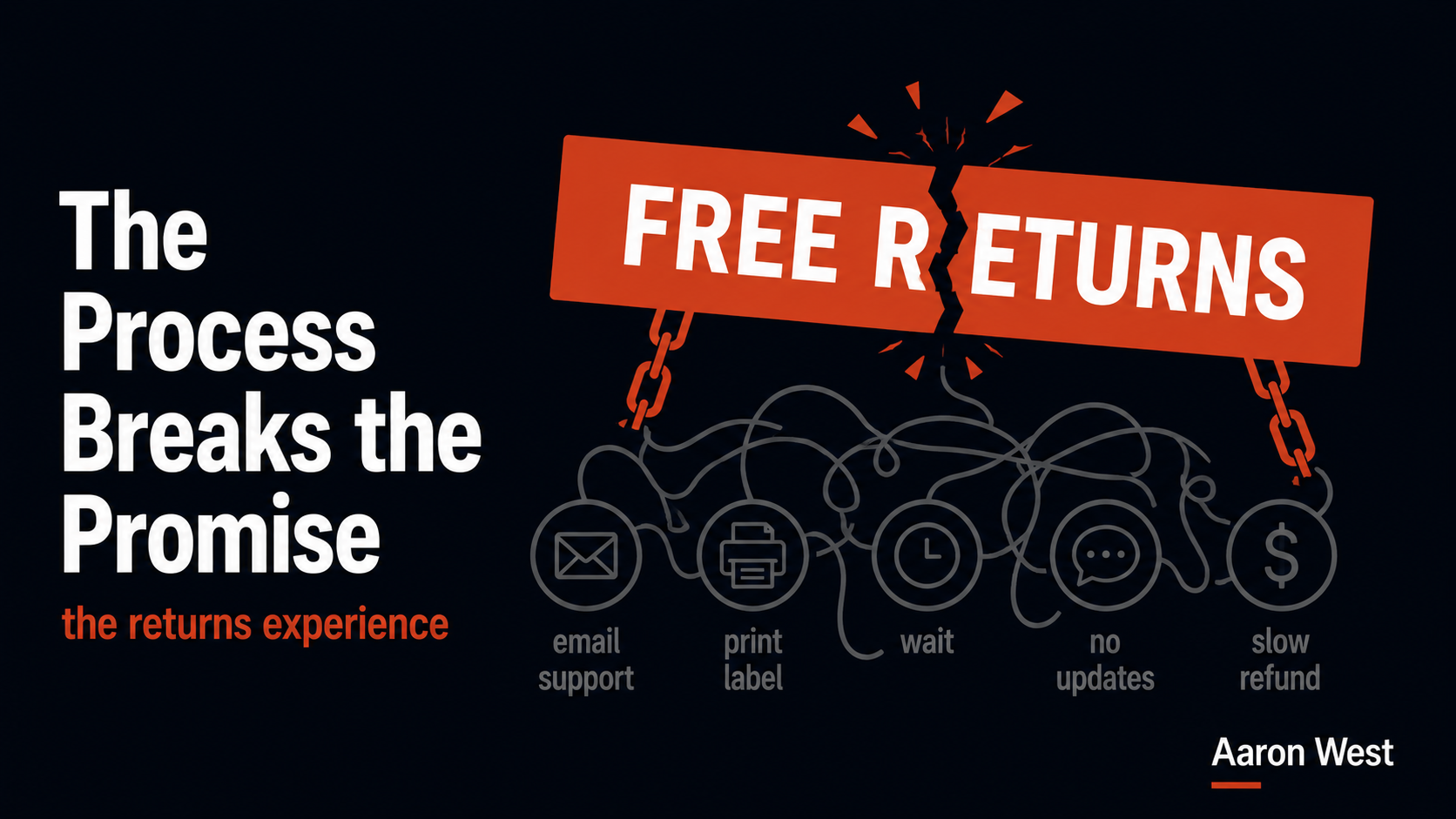
Table of Contents
A generous returns policy means nothing if the returns process is painful, and most stores quietly undermine their own policy with a returns experience that's hard to start, slow to resolve, and silent the whole way through. The returns UX is where the policy's promise is actually kept or broken, and a generous policy delivered through a frustrating process is a broken promise, which damages trust more than an honestly modest policy would have.
This is a core of the Returns pillar, under the cornerstone that returns are a retention moment, not a cost centre. The policy piece argued that a generous policy wins the sale and the loyalty. This piece is the catch: the policy is only a promise, and the experience is whether you keep it.
Policy is the promise, the experience is the delivery
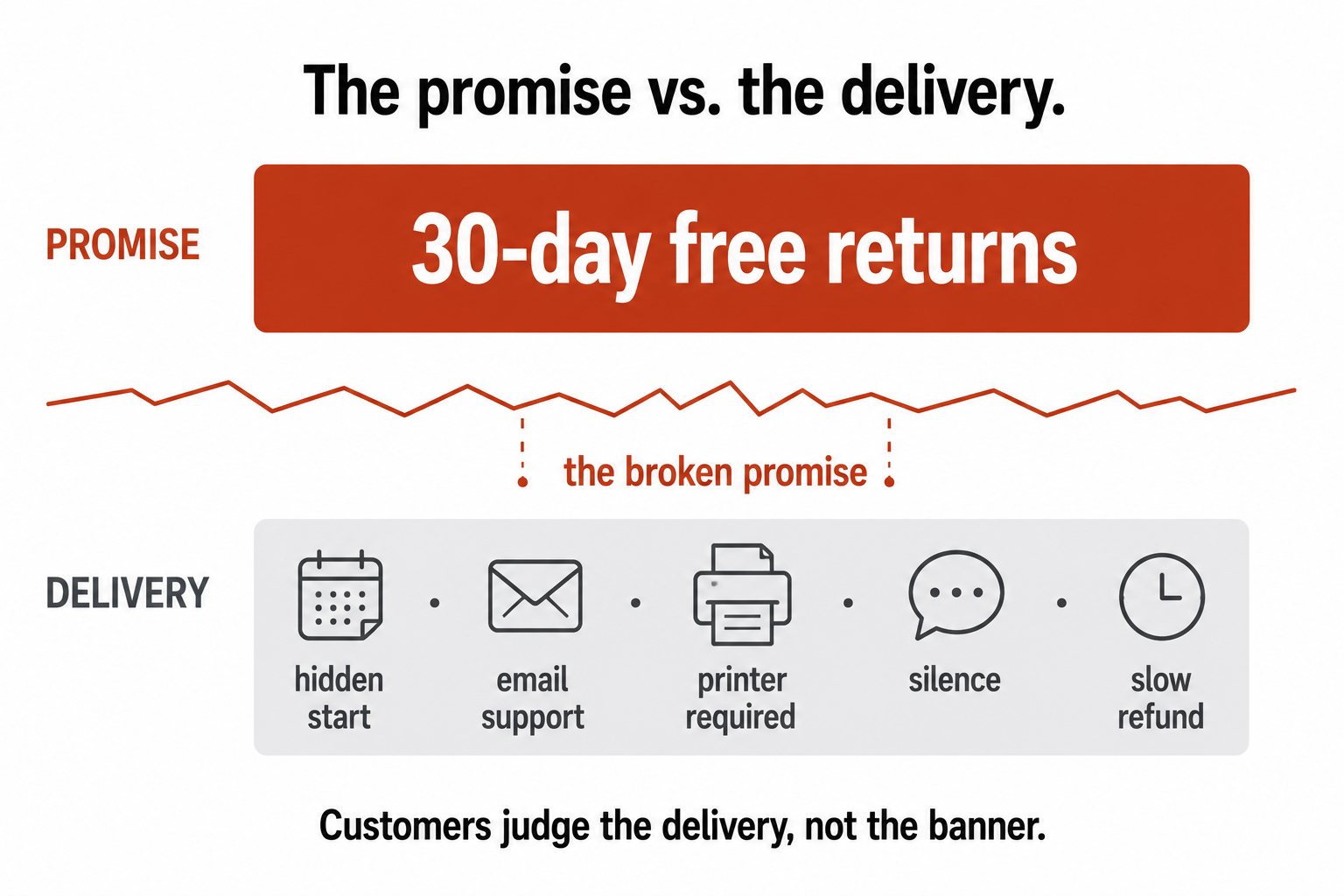
A returns policy is a claim about what will happen. The returns experience is what actually happens, and customers judge you on the second one, not the first. "30-day free returns" splashed across the product page sets an expectation of easy; if the process behind it requires emailing support, waiting for a reply, hunting for a form, and chasing a refund for two weeks, the customer doesn't experience "easy." They experience a gap between what you promised and what you delivered, and that gap reads as a bait-and-switch even when nothing dishonest was intended.
That's why a bad returns experience is uniquely damaging. A store with a modest, honest policy that delivers exactly what it says keeps its promise. A store with a generous policy that delivers pain breaks one, at the moment of truth the cornerstone described, when the customer is already disappointed and watching closely how you behave. The more generous your policy, the more it hurts to deliver it badly, because you raised the expectation yourself.
The friction points stores get wrong
The painful returns experience is usually the same handful of failures, each fixable:
- Hard to start. The return option is hidden, or initiating one requires emailing or calling and waiting for a human to respond. The fix is obvious self-service: find the order, click return, done, the same self-service principle the support pillar argues for, applied to returns. Making a customer chase you to give your product back is the first broken promise.
- The logistics hassle. Requiring a home printer, a specific drop-off, or fiddly repackaging. Every extra step sheds goodwill, and some of them (the printer especially) simply exclude customers who can't comply.
- The silence. No acknowledgement, no status, nothing. The customer sends the item back and hears nothing, left wondering whether their money is gone. Silence in a refund is uniquely anxiety-inducing, because it's their money in limbo, not yours, and uncertainty about money breeds resentment fast.
- The slow refund. Money held long after the item is back in your warehouse. Refund speed is the single biggest felt moment of the whole returns experience: a fast refund builds trust, a slow one builds the sense that you're hanging on to their money as long as you can get away with.
None of these are policy problems. The policy can say "free 30-day returns" and every one of these failures can still be sitting underneath it, turning a generous promise into a frustrating reality.
Silence is the cheapest thing to fix and the most expensive to ignore
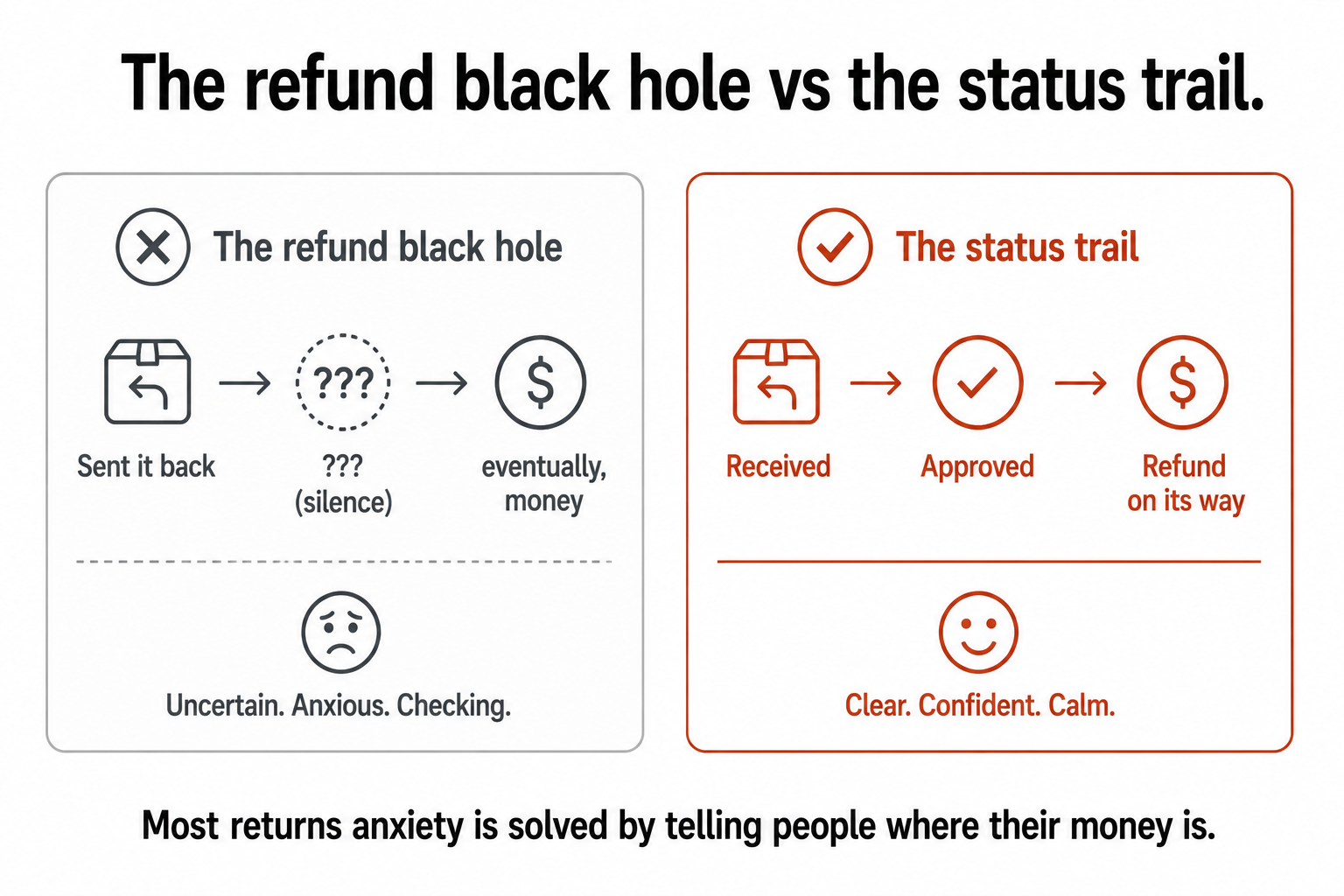
Of all the friction points, the silence is the one worth singling out, because it's the easiest and cheapest to fix and one of the most damaging to leave. Most returns anxiety isn't about the policy or even the refund speed; it's about not knowing. A customer who's been told "we've received your return," "it's approved," "your refund is on its way" is calm even if the refund itself takes a few days. A customer told nothing assumes the worst, and starts drafting the angry email, long before anything has actually gone wrong.
Status updates are cheap, automatable, and have an enormous trust payoff, the kind of post-purchase communication that costs almost nothing to set up and quietly prevents a large share of returns-related frustration and support tickets. Telling the customer where their money is, at each step, is the single highest-return improvement most stores could make to their returns experience, and most don't.
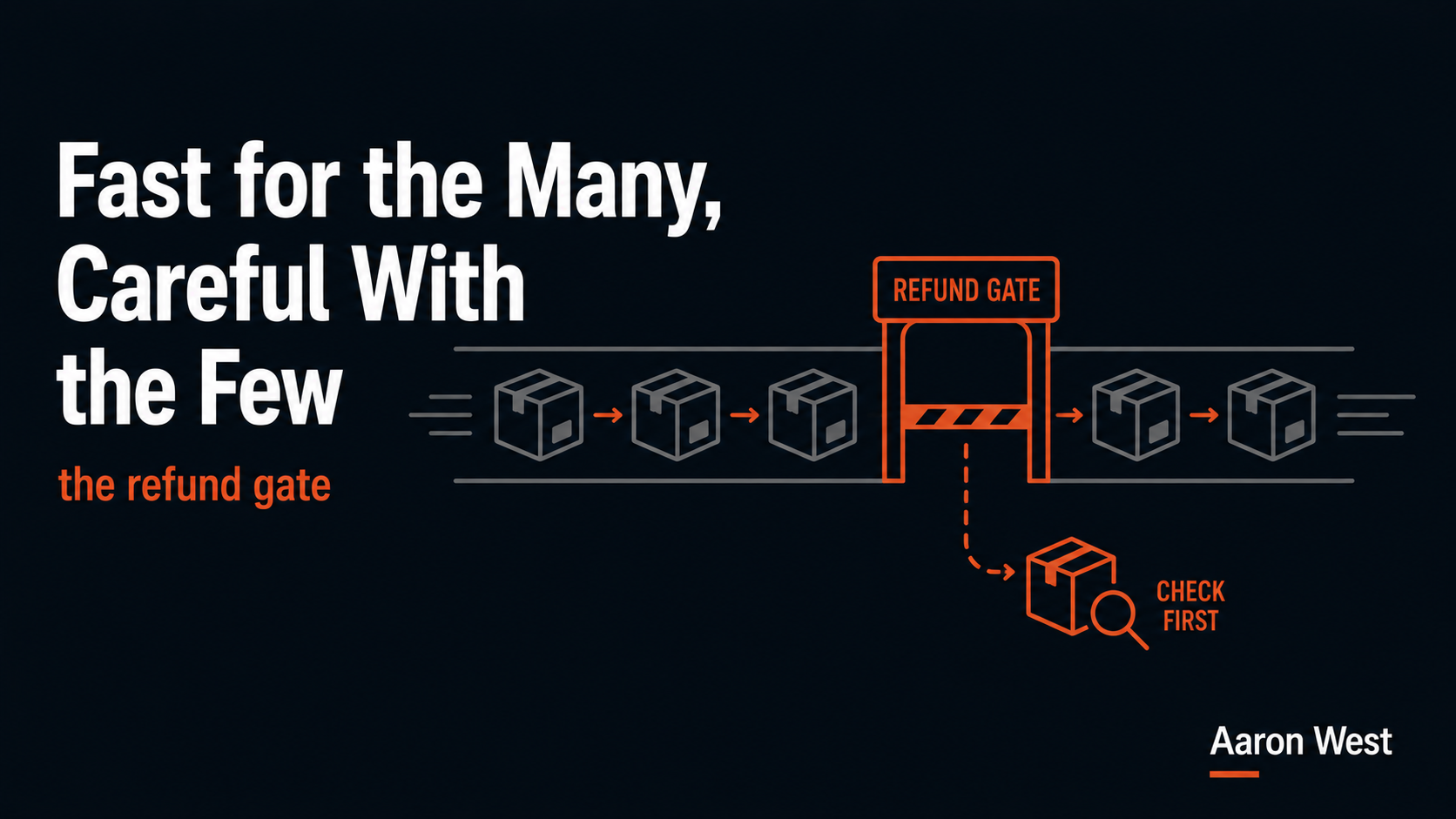
One honest tension to flag: refund speed sits against the one place you legitimately need a control, confirming the item is actually back before releasing the money, which is a fraud-prevention gate worth keeping. Balancing speed against that gate is its own topic, the refund gate, and the resolution there is simple: be as fast as you safely can, and communicate the moment of receipt so the customer knows the clock is running.
A smooth return is a moment of delight
Here's the upside the cost-centre view never sees: because customers brace for a painful return, a smooth one is a genuine moment of delight, and delight at the low point is exactly when loyalty gets made. The customer expected friction, fees, and silence; instead they got a one-click start, a prepaid label, clear updates, and a fast refund, and they walk away thinking "I'll buy from them again, because even when it went wrong, they were easy." That's the cornerstone's moment of truth landing on the right side.
A few practical notes that decide whether you land there: the whole flow has to work on mobile, since that's where many returns are initiated, and the experience should require as little of the customer as possible, ideally just telling you they want to return and dropping a parcel somewhere convenient. Every step you remove is goodwill kept.
What this comes down to
The policy is what you promise; the returns experience is what you actually do, and customers remember the doing. Make it easy to start, ask as little of the customer as possible, keep them informed at every step, and refund as fast as you safely can, and the return becomes the moment that proves you're worth buying from again, the exact retention payoff the cornerstone is about.
Get the experience wrong, hide the start, demand a printer, go silent, sit on the money, and the most generous policy in the world is just a promise you broke slowly. The banner gets the credit in your marketing; the process gets the blame in your reviews. Make sure they're telling the same story.
A few common questions
Isn't a generous returns policy enough on its own? No. The policy is only a promise; the returns experience is whether you keep it, and customers judge you on the experience. A "free 30-day returns" banner followed by a process that's hard to start, requires a printer, goes silent, and sits on the refund delivers frustration, not ease, and that gap between promise and delivery reads as a bait-and-switch. The more generous the policy, the more a bad experience hurts, because you raised the expectation yourself.
What does a bad returns experience usually look like? The same handful of failures: hard to start (the return option is hidden or requires emailing and waiting, instead of obvious self-service), a logistics hassle (a required printer, a specific drop-off, fiddly repackaging), silence (no acknowledgement or status, so the customer wonders if their money is gone), and a slow refund (money held long after the item is back). None are policy problems; they sit underneath a generous policy and quietly break it.
What's the cheapest high-impact fix? Communication. Most returns anxiety is about not knowing, and status updates ("received," "approved," "refund on its way") are cheap, automatable, and hugely reassuring, keeping the customer calm even when the refund itself takes a few days. Telling people where their money is at each step is the single highest-return improvement most stores could make to their returns experience, and most skip it.
How fast should refunds be? As fast as you safely can. Refund speed is the biggest felt moment of the whole experience, a fast refund builds trust and a slow one builds the sense you're clinging to their money. The one legitimate constraint is confirming the item is actually back before releasing funds, a fraud-prevention gate worth keeping; the resolution is to keep that gate but be quick, and to communicate the moment you receive the return so the customer knows the clock is running.
You should also read:
Returns Triage and the Refund Gate
The one place to keep a deliberate control in an otherwise fast, easy returns process is the refund itself: don't release the money before you've confirmed the return is genuine. That's the refund gate, and it's the returns-specific version of a rule that runs through…
Continue reading...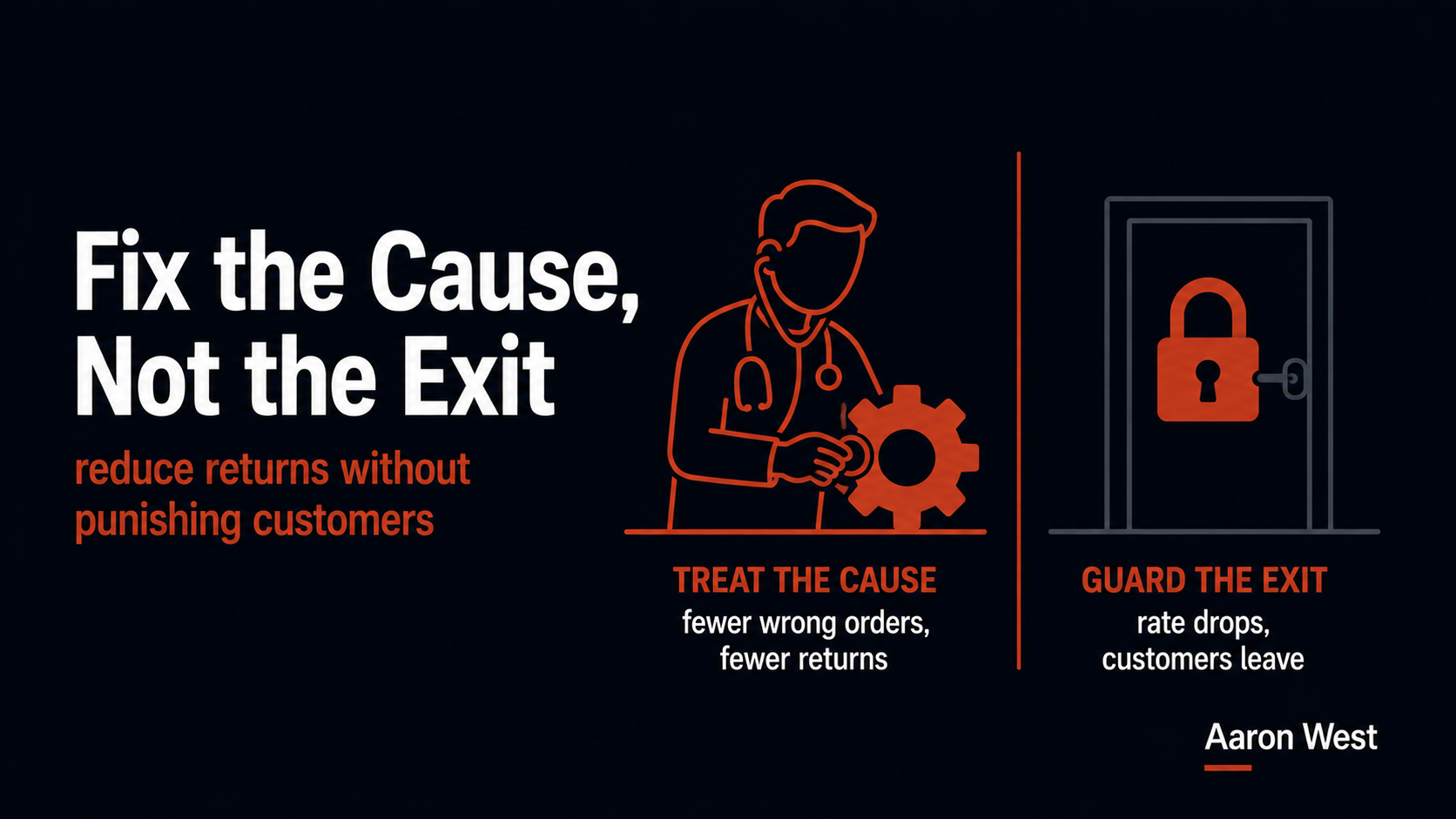
Reducing Returns Without Making Them Painful: Fix the Cause, Not the Access
The right way to reduce returns is to remove the reasons people return, not to make returning harder. Making returns painful does cut the return rate, but it does it by losing the customer, the exact mistake the cost-centre view makes. Reducing the cause, the…
Continue reading...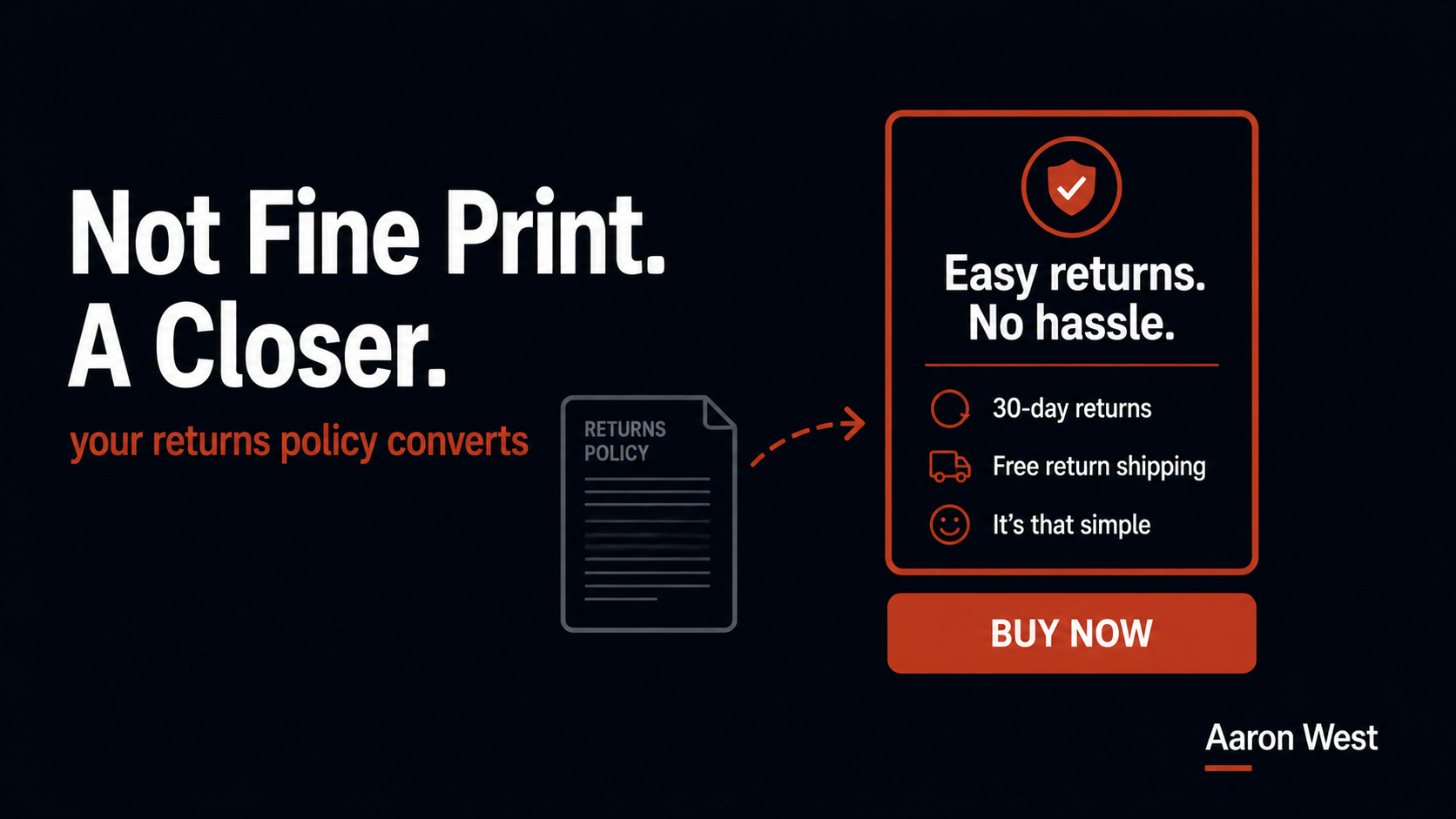
Your Returns Policy Is a Conversion Lever, Not Fine Print
Your returns policy is read most by the people who haven't bought yet, the ones deciding whether it's safe to. That makes it one of the most powerful conversion levers in the store, and most stores waste it by writing it as defensive legal fine…
Continue reading...