Returns Triage and the Refund Gate

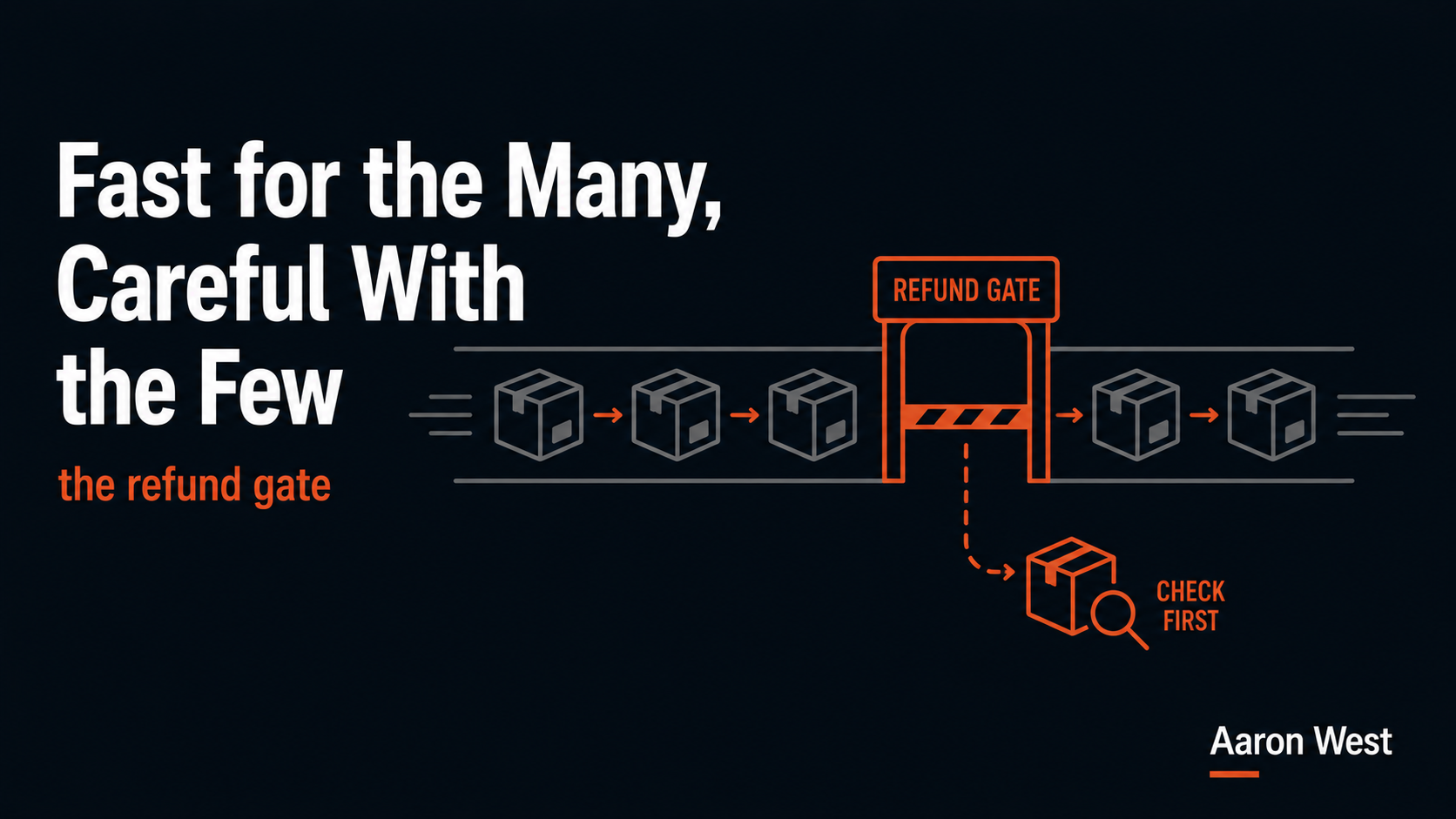
Table of Contents
The one place to keep a deliberate control in an otherwise fast, easy returns process is the refund itself: don't release the money before you've confirmed the return is genuine. That's the refund gate, and it's the returns-specific version of a rule that runs through all good automation, automate the routine, but keep a human or a confirmation step on the irreversible action. The skill is triage: let the clear-cut returns fly through, and route only the ambiguous, high-value, or suspicious ones to a human, so the gate protects your margin without slowing down the honest majority.
This closes the Returns pillar's core, and it resolves a tension the returns-experience piece left open: refund speed builds trust, but refunding before you have the goods back is a fraud vector. This is how you get fast and safe at the same time.
Why the refund is the one step that gets a gate
Almost everything in a good returns process should be frictionless: easy to start, self-service, well-communicated, as the experience piece argued. The refund is the exception, and for a specific reason: it's irreversible. Once the money has left your account, getting it back is hard and often impossible, so the refund is exactly the kind of high-stakes, can't-undo action that should never run fully on autopilot.
That's not a returns rule; it's the automation rule applied to returns. The principle that you don't automate the irreversible without a human gate, the one that says a refund should never fire before the returned item is confirmed received, is the same principle in both places. The refund gate is simply where that rule lives in the returns flow: the deliberate checkpoint where money goes out, and therefore the one step that earns a control.
Triage: the answer to "but a gate slows everyone down"
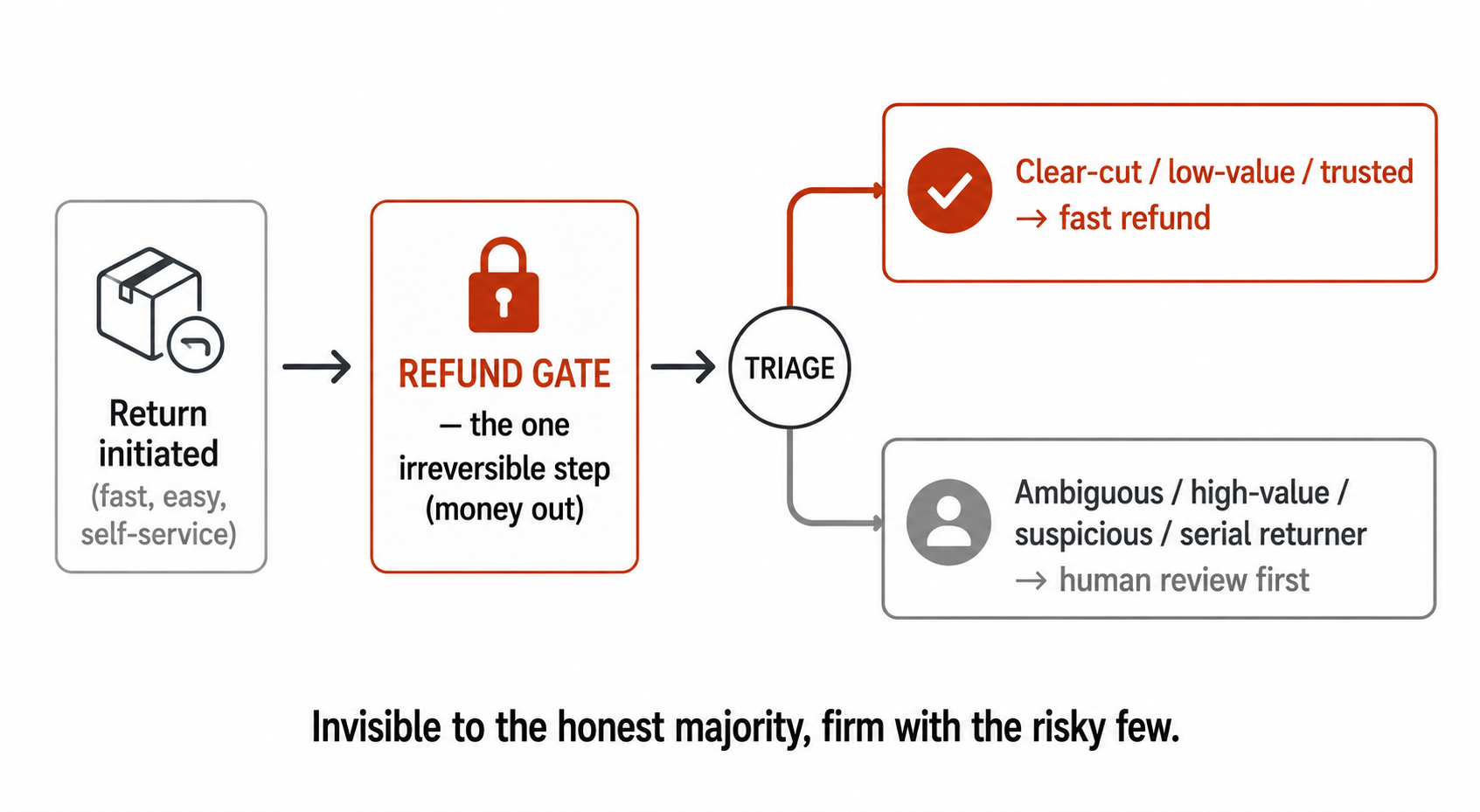
The objection to a refund gate is obvious: if every refund waits for a check, you've reintroduced exactly the slowness and silence the experience piece warned against. The resolution is that you don't gate everyone equally. You triage.
Most returns are clearly fine, a trusted customer, a standard reason, a low-value item, nothing unusual, and those should fly through the fast lane with minimal or no friction, refunded the moment the basic check clears. Only the returns that actually carry risk, high value, a suspicious pattern, a serial returner, an unusual reason, a fraud-prone category, get routed to a human before the money moves. That's the same risk-calibration the payment-fraud piece described: proportionate defence, with a human in the loop only on the ambiguous, high-value cases, not a wall in front of everyone.
Done right, the gate is invisible to the honest majority and firm with the risky few. The customer who returns one item for a normal reason never notices a gate exists. The pattern that signals abuse gets a human look before a refund it shouldn't get goes out.
How strict should the gate be? A spectrum, not a setting
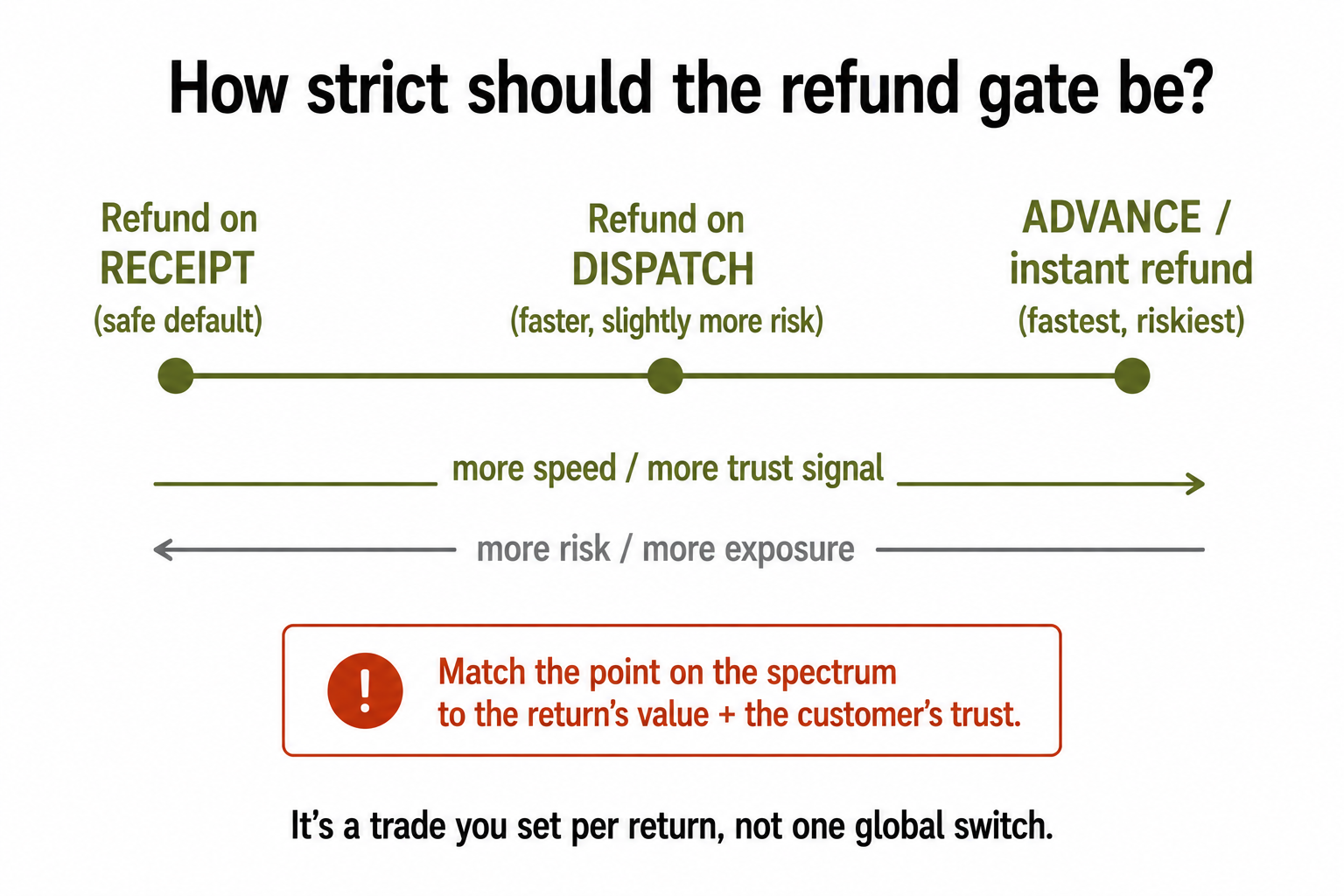
The gate isn't one fixed level of strictness. It's a spectrum, and where you sit on it is a deliberate trade between refund speed (trust, loyalty) and exposure (fraud, loss):
- Refund on receipt. Release the money once the returned item is confirmed back. This is the safe default, you have the goods, the refund is low-risk, and it's appropriate for most returns.
- Refund on dispatch. Release once the customer has confirmed-shipped the item back, before it arrives. Faster, a better experience, slightly more exposure (the item might never actually arrive). Sensible for trusted customers and low-value items.
- Advance or instant refund. Refund before the item is back at all. The fastest, the strongest trust signal, and the highest fraud exposure. This is a deliberate trade you make only where the value is low enough or the customer trusted enough that the conversion and loyalty gain beats the loss rate, never a blanket default.
The mistake is treating this as a single global switch. A mature returns operation runs different points on the spectrum for different returns: instant for the low-value loyal customer, receipt-confirmed for the high-value or unknown one. The spectrum is the gate; triage decides where each return sits on it.
The gate is where generosity and control are reconciled
This is the piece that makes the policy piece's "generous, not exploitable" actually work. A generous returns policy out front and a protected margin seem to be in conflict, until you see that they live in different places. The generosity lives in the policy, where customers see it and where it does its conversion and retention work. The control lives at the refund gate, quietly, in the back, applied only to the flagged minority. The honest majority experience nothing but a generous, easy return. The risky few meet a check they never see advertised.
That's how you reconcile the two halves of this pillar. You don't make the policy stingy to control abuse, which would scare off the many to stop the few, the cost-centre mistake. You keep the policy generous and put the control at the gate, where it touches only the returns that warrant it.
One thing the gate must not become is silence. A return held for review still gets communicated, "we've received your return and we're processing your refund", so that the gate protecting your margin doesn't read to the customer as the refund black hole the experience piece warned against. The gate protects margin; communication protects trust; a good returns operation needs both running at once.
What this comes down to
Be fast for the many, careful with the few, and never automate the money-out step blindly. The refund gate is the one deliberate control in a returns process that should otherwise be frictionless, and triage is what keeps that control from becoming a wall: the clear-cut returns fly through, the risky ones get a human, and the customer almost never notices which lane they were in.
It's also where the two instincts that have run through this whole pillar stop fighting. You keep the generosity out front, where customers see it and it wins you sales and loyalty, and you keep the control in the back, where they don't, applied only where it's earned. Fast where it's safe, gated where it isn't, and triage is what tells the two apart.
A few common questions
What is a refund gate? It's the deliberate checkpoint where you confirm a return is genuine before releasing the money. The refund is irreversible, once the money's gone it's hard to recover, so it's the one step in an otherwise frictionless returns process that earns a control. It's the returns-specific version of the automation rule that you don't automate an irreversible action without a human or confirmation step, which is why a refund shouldn't fire before the return is verified.
Doesn't a refund gate slow everything down? Not if you triage. Most returns are clearly fine (trusted customer, standard reason, low value) and should fly through a fast lane, refunded as soon as the basic check clears. Only the genuinely risky ones (high value, suspicious pattern, serial returner, fraud-prone category) get routed to a human before the money moves. Done right, the gate is invisible to the honest majority and firm only with the risky few, the same proportionate, human-in-the-loop calibration good fraud defence uses.
How fast should the refund be? It's a spectrum you set per return: refund on receipt (the safe default, you have the goods back), refund on dispatch (faster, slightly more exposure, good for trusted customers and low-value items), or advance/instant refund (fastest and strongest trust signal, but real fraud exposure, reserved for low-value or high-trust cases where the loyalty gain beats the loss). The mistake is treating it as one global switch instead of matching the point on the spectrum to each return's value and the customer's trust.
How do I keep a generous policy without inviting abuse? Put the generosity in the policy and the control at the gate. The generous policy stays out front, where customers see it and it wins sales and loyalty; the anti-abuse control sits quietly at the refund gate, applied only to the flagged minority. That way you don't make the policy stingy to stop the few (which scares off the many), and you still catch the abuse, at the one checkpoint where it actually matters. Communicate even when a return is held, so the gate doesn't read as silence.
You should also read:
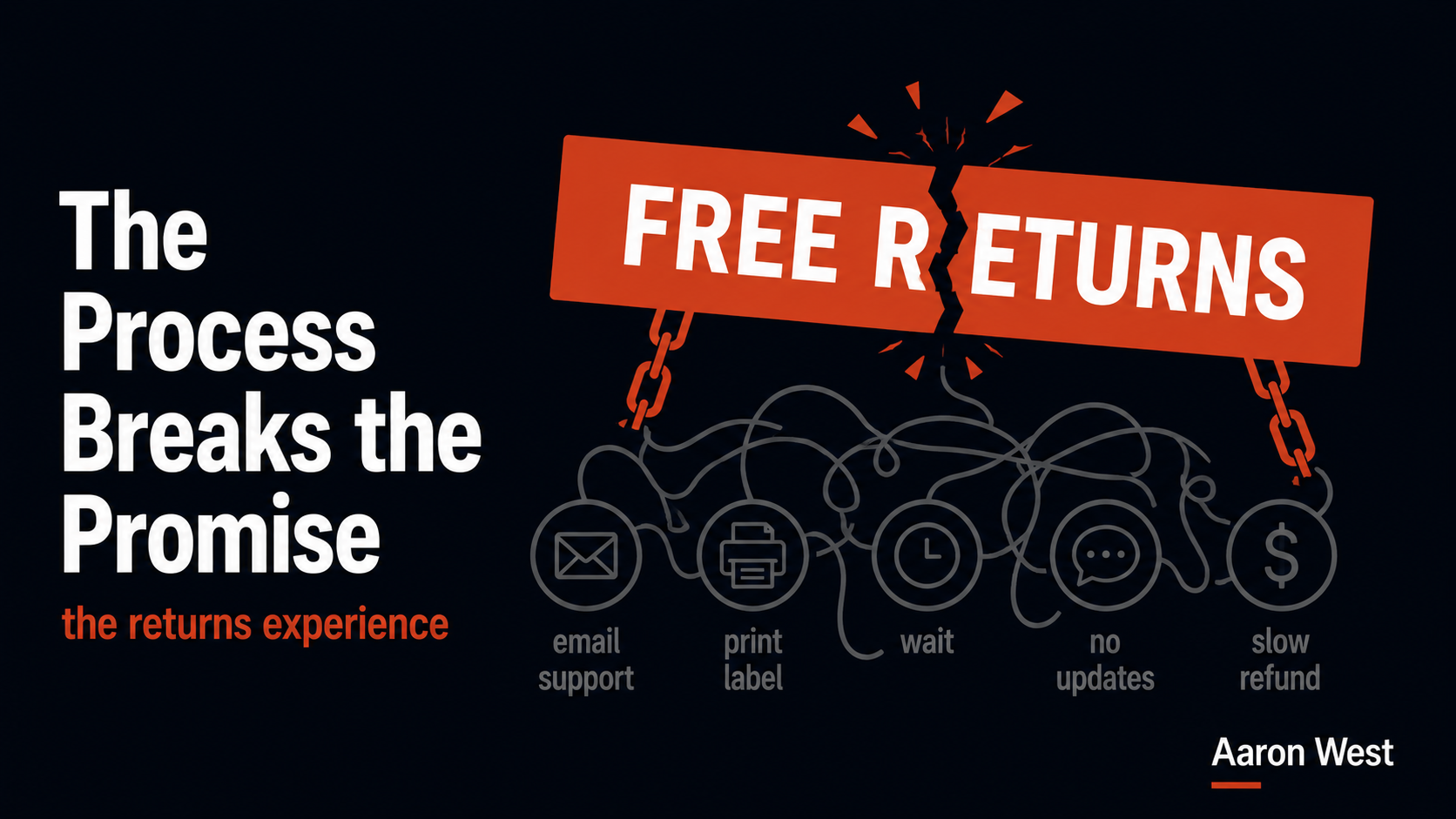
The Returns UX Most Stores Get Wrong
A generous returns policy means nothing if the returns process is painful, and most stores quietly undermine their own policy with a returns experience that's hard to start, slow to resolve, and silent the whole way through. The returns UX is where the policy's promise…
Continue reading...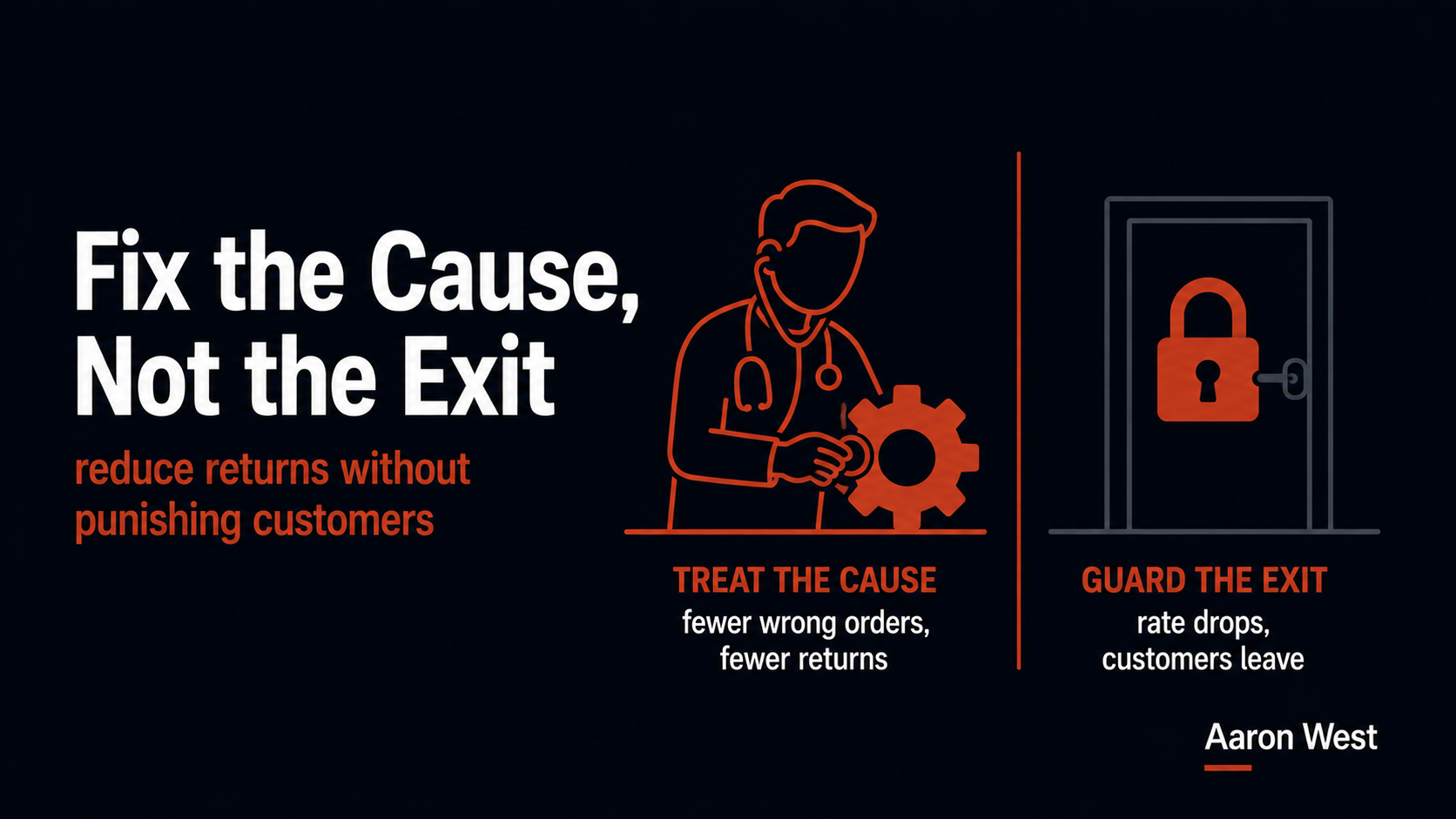
Reducing Returns Without Making Them Painful: Fix the Cause, Not the Access
The right way to reduce returns is to remove the reasons people return, not to make returning harder. Making returns painful does cut the return rate, but it does it by losing the customer, the exact mistake the cost-centre view makes. Reducing the cause, the…
Continue reading...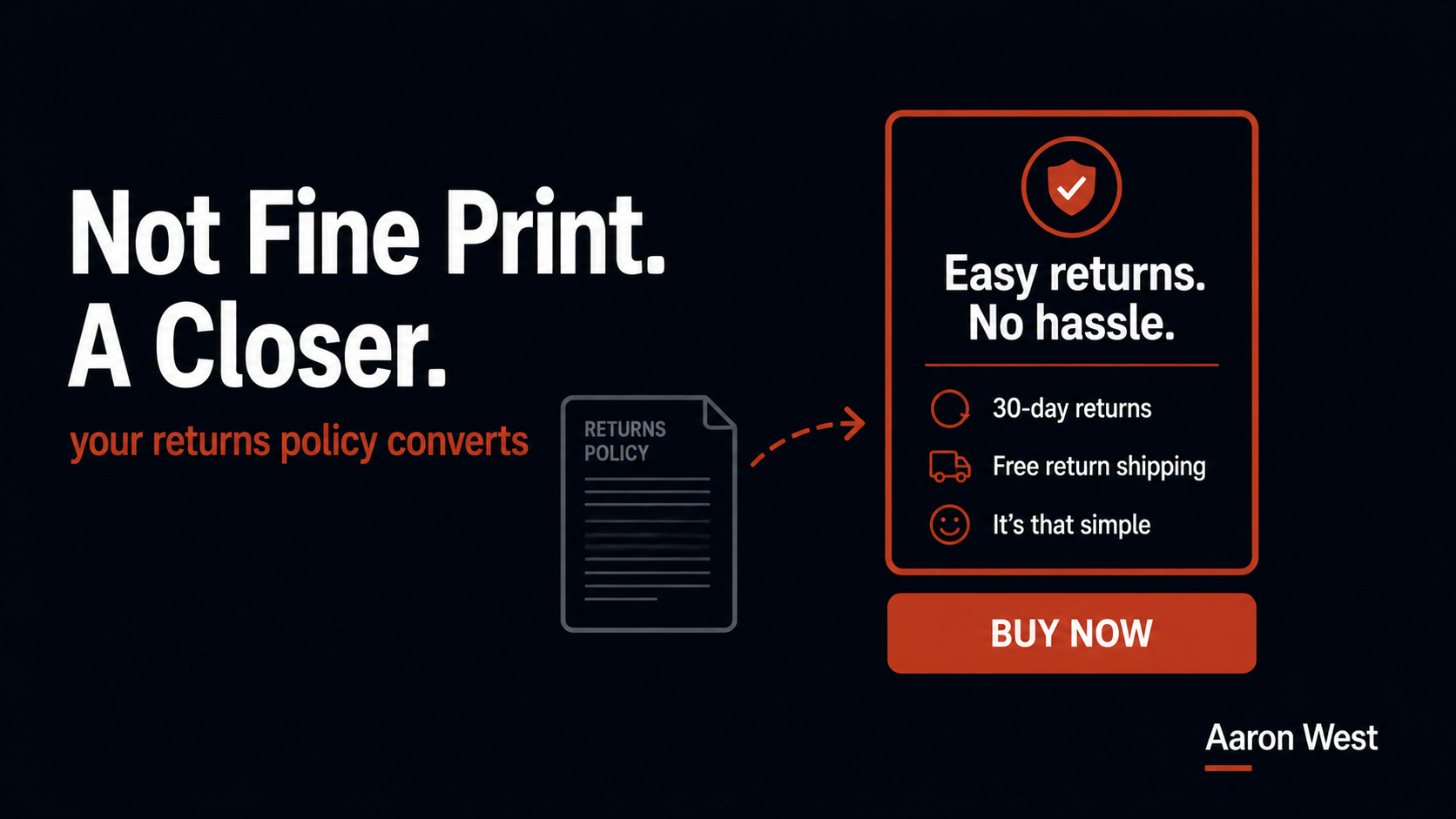
Your Returns Policy Is a Conversion Lever, Not Fine Print
Your returns policy is read most by the people who haven't bought yet, the ones deciding whether it's safe to. That makes it one of the most powerful conversion levers in the store, and most stores waste it by writing it as defensive legal fine…
Continue reading...