Buy Now, Pay Later: The Upside, the Cost, and Who It's Actually For

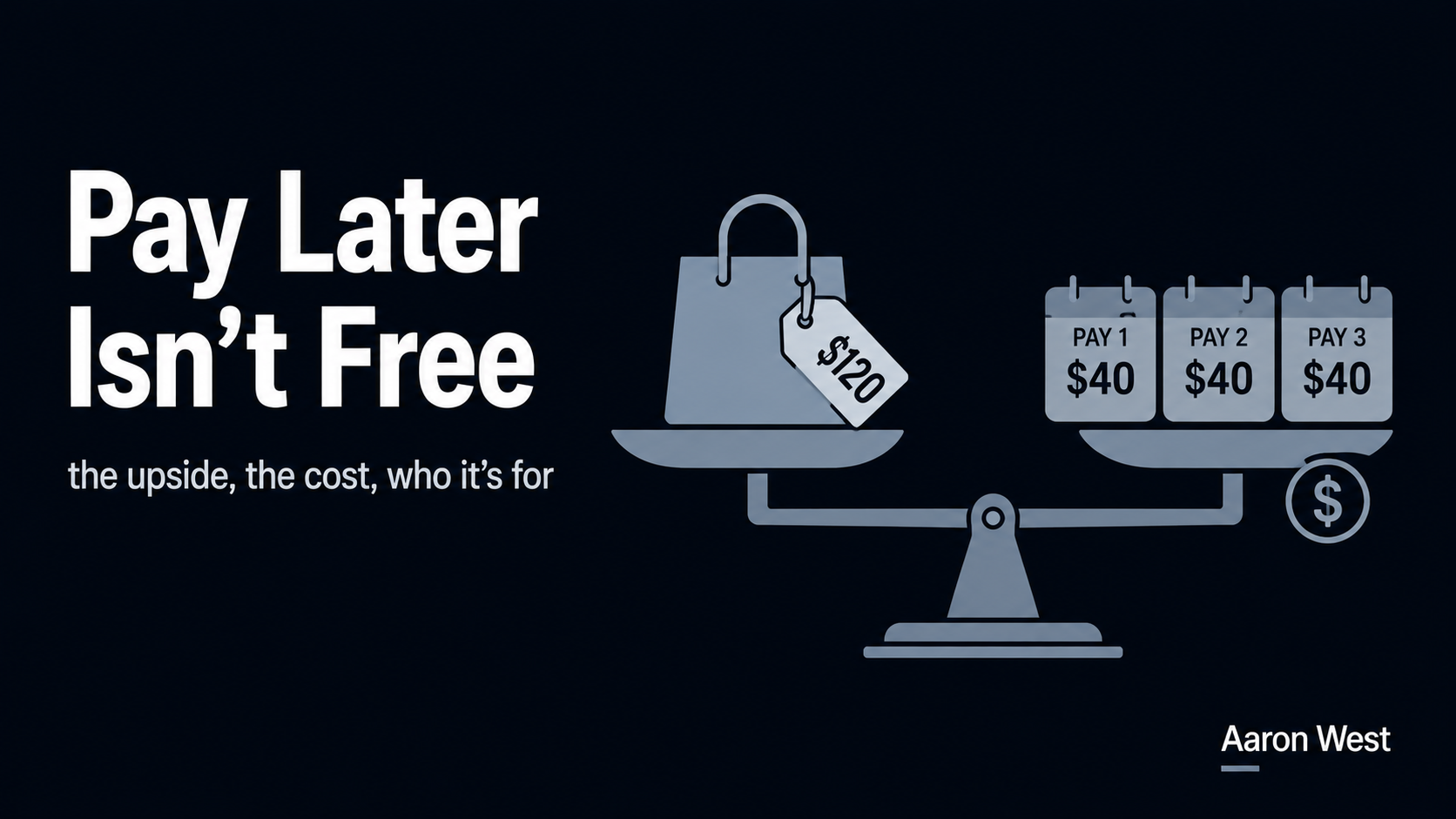
Table of Contents
Buy now, pay later, the option to split a purchase into installments or defer it at checkout, is sold as a pure conversion win, and it genuinely can lift both conversion and average order value, especially on higher-ticket purchases and with younger shoppers who increasingly expect to see it. But it isn't free and it isn't right for every store. It costs more per transaction than cards, it can attract behaviour you don't want, and on thin-margin or low-ticket products the fee can quietly outweigh whatever lift it brings. It's a financing product with a real price, not a free upgrade.
This is a core of the Payments pillar, under the cornerstone that payments are infrastructure with real costs and trade-offs. It also sits next to the broader payment-methods question, because for some customers and markets, a pay-later option is now part of what they expect to see. One note up front: this is a commercial view of BNPL as a merchant tool, not financial or legal advice, and the rules around it are tightening, which I'll come back to.
What it actually is, mechanically
Strip away the marketing and BNPL is straightforward. At checkout, the customer chooses to pay in parts, three installments, or pay in thirty days, or a longer financing plan, instead of all at once. A third-party provider sits in the middle: in the usual arrangement, the provider pays you, the merchant, up front and in full, then takes on collecting from the customer and carries the credit and fraud risk if the customer doesn't pay. In exchange, the provider charges you a fee that's typically higher than standard card processing.
That structure is the key to evaluating it honestly, because it tells you exactly what you're buying and what you're paying for. You're buying a conversion and risk-transfer service. You're paying a premium fee for it. Whether that's a good trade depends entirely on what it does to your sales and your margins, not on how good the provider's pitch sounds.
The genuine upside
BNPL is popular with merchants for real reasons, not just hype:
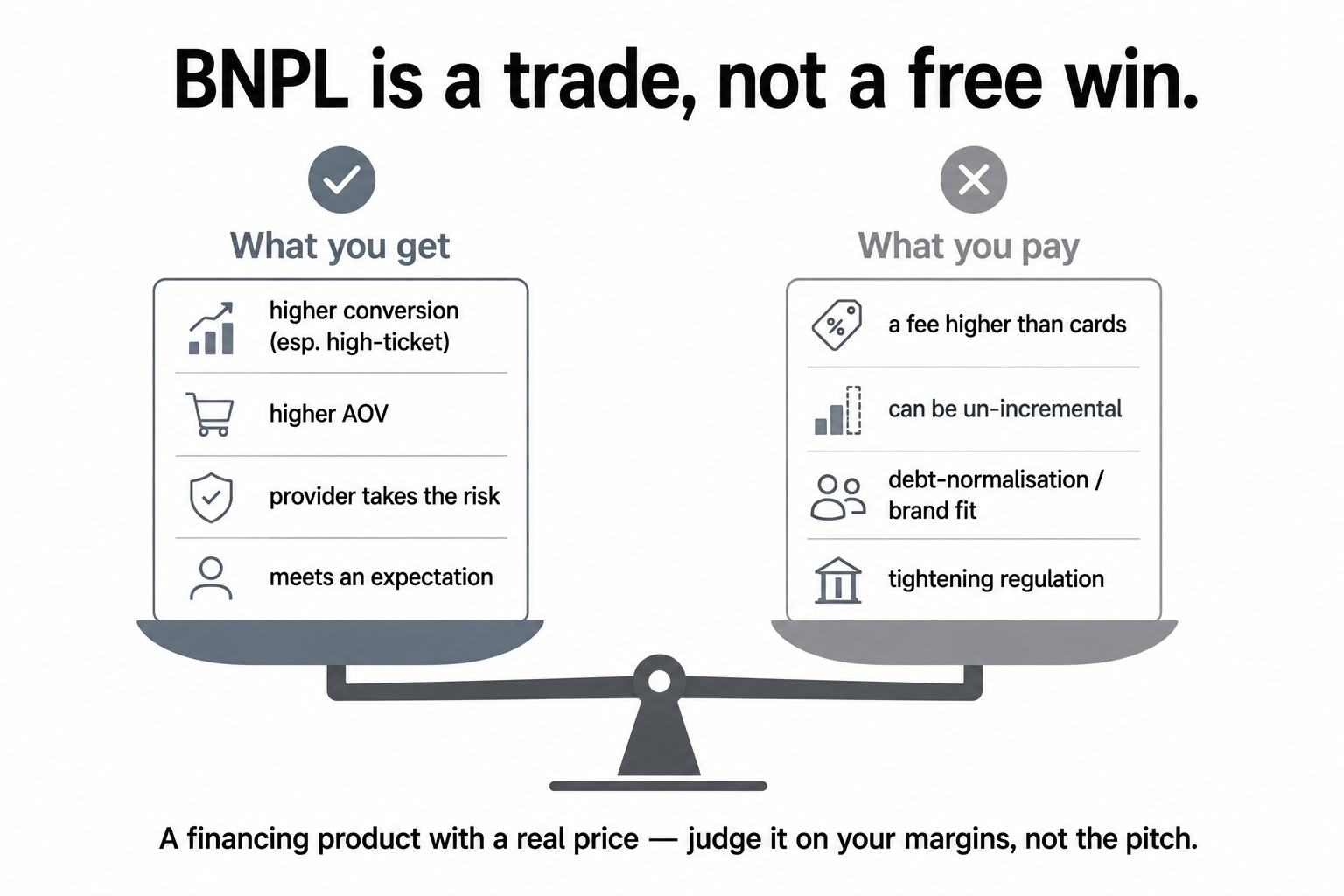
- It can lift conversion, particularly on higher-ticket items, by removing the "I can't justify the whole amount right now" barrier. Spreading a large purchase makes it feel affordable, and some customers who'd have hesitated complete instead.
- It can lift average order value. Customers often buy more, or buy up, when the cost is split into smaller, less daunting amounts. That connects it to the basket-building levers elsewhere in the hub.
- It transfers risk. In the standard model you're paid up front and the provider eats the non-payment and much of the fraud risk. For higher-value orders, that's genuine value, you've converted a risky sale into a clean one.
- It meets an expectation. For younger demographics in particular, a pay-later option is increasingly something they look for, and its absence can quietly cost you with them, the same way a missing preferred method does.
These are real, and for the right store they add up to a meaningful gain. The mistake is stopping the analysis here, which is exactly where the provider's pitch stops.
The honest costs
Now the side the marketing skips:
- The fee is higher than cards. That's the headline cost, and it matters most where margins are thin or orders are small. On a low-ticket, low-margin product, a premium payment fee can swallow the entire profit on the sale, so even a real conversion lift can leave you worse off per order.
- It's often un-incremental. This is the subtle one. If a customer would have bought anyway, at full price, with a card, then offering BNPL just means you paid a premium fee for a sale you already had. It's the same incrementality test that governs promotions: are you creating a sale, or just re-routing one you'd have made through a more expensive channel? BNPL only earns its fee on the sales it genuinely caused.
- It can attract behaviour and brand questions you don't want. Normalising borrowing for small, everyday purchases sits badly with some brands and some customers, can be associated with higher regret and returns, and raises real ethical considerations about encouraging debt. For a brand whose positioning is about quality and considered purchase, splashing "pay in 3" across every low-value product can actively work against what the price is meant to signal.
- It's another operational surface. Another integration, another reconciliation stream, another support path when something goes wrong. Small, but not nothing.
Who it's actually for, and who it isn't
Put the upside and the costs together and BNPL stops being a yes/no question and becomes a fit question.
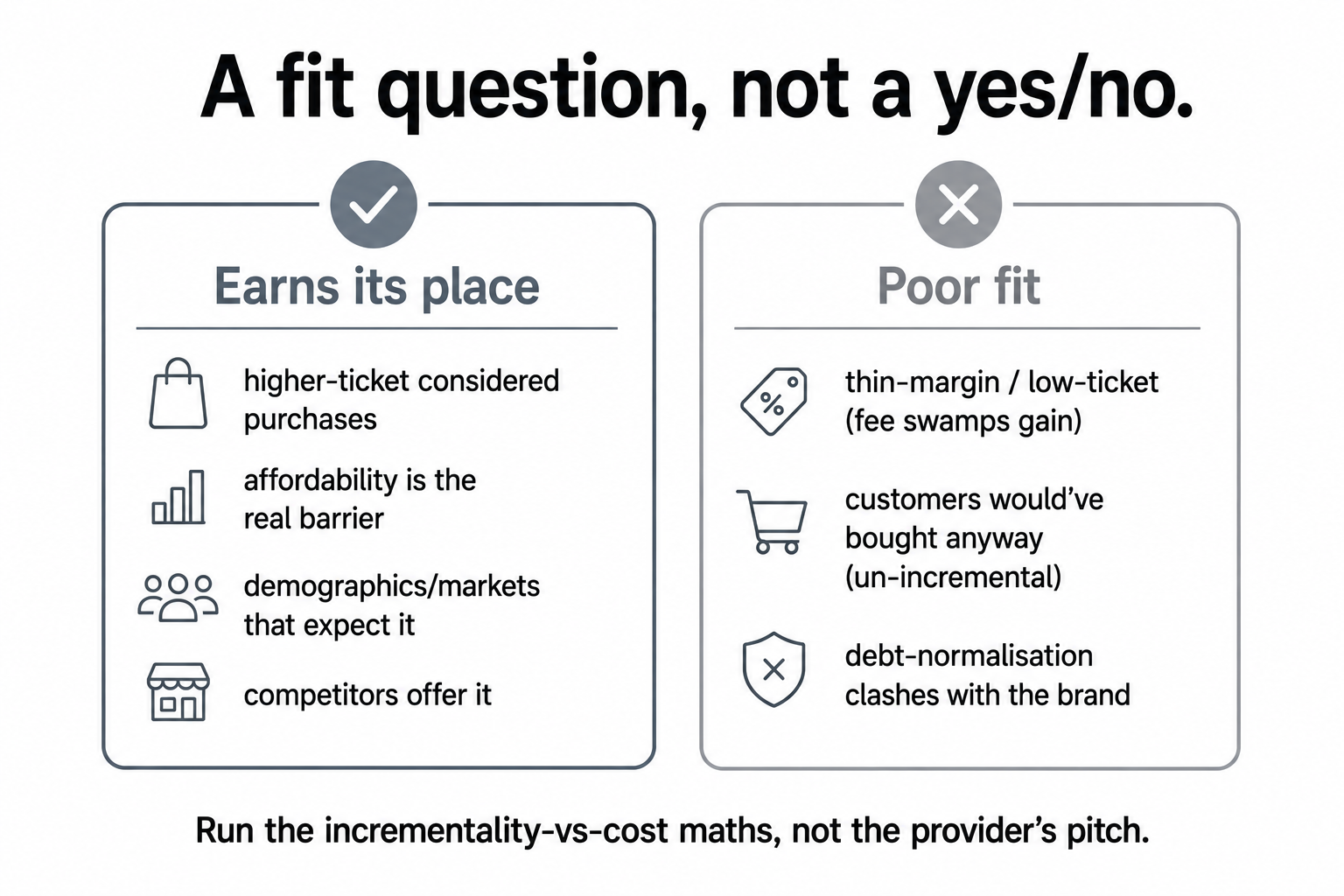
It earns its place where affordability is a genuine barrier to a considered purchase: higher-ticket items where spreading the cost is the difference between buying and walking away, categories where the purchase is deliberate rather than impulsive, and markets or demographics where customers expect the option and competitors already offer it. In those cases the conversion and AOV lift, plus the risk transfer on big orders, can comfortably justify the higher fee.
It's a poor fit where the fee swamps the gain or the lift isn't real: thin-margin or low-ticket catalogues where a premium payment fee eats the profit, stores where most BNPL users would have bought anyway (so you're just paying more to process the same sales), and brands whose positioning clashes with normalising debt on small purchases. Offering it as a reflex because "everyone has it" is how a store ends up paying a premium fee across its whole catalogue for a conversion lift it never actually measured.
The honest decision frame is the one this whole pillar keeps returning to: treat BNPL like any other paid lever. Does it create incremental sales and AOV that exceed its higher fee, for your products, your margins, and your customers? If yes, it's a good tool. If you can't show that it does, it's a cost you've talked yourself into.
A note on regulation
One thing genuinely is changing under BNPL, and it's worth a flag rather than a deep dive: consumer-credit regulation is tightening around it in many regions, as authorities treat it more like the lending it is. That affects disclosure, affordability checks, and how it can be marketed, and it's evolving differently in different places. This isn't financial or legal advice, and you should check what applies where you operate, but the durable point for a merchant is that BNPL is a credit product, will increasingly be regulated like one, and shouldn't be treated as a frictionless marketing toy.
What this comes down to
Buy now, pay later is neither the free conversion miracle its providers pitch nor the villain its critics describe. It's a financing product with a real, above-card fee, and it earns its place where affordability is the genuine barrier to a considered purchase and where customers expect it, on higher-ticket items, in the right markets, for the right brand. It loses money where it just adds a premium fee to sales you'd have made anyway, or where it's bolted onto a thin-margin catalogue as a reflex.
Like every other lever in this pillar, the question isn't whether BNPL can work. It's whether it works for your margins, your products, and your customers, once you've actually run the incrementality-versus-cost maths instead of taking the pitch at face value.
A few common questions
How does buy now, pay later work for the merchant? At checkout the customer chooses to pay in parts or defer payment, and a third-party provider sits in the middle: in the usual model the provider pays you up front and in full, then collects from the customer and carries the credit and fraud risk, in exchange for a fee that's higher than standard card processing. So you're buying a conversion-and-risk-transfer service and paying a premium for it, which is the right way to evaluate whether it's worth it.
Does BNPL actually increase sales? It can, especially on higher-ticket purchases, by removing the "I can't justify the whole amount now" barrier, and it can raise average order value because split costs feel smaller. But some of those sales would have happened anyway, in which case you've just paid a premium fee to process a sale you already had. BNPL only earns its higher fee on the sales it genuinely caused, so the real question is incrementality, not gross BNPL volume.
When is BNPL a bad idea? When the fee swamps the gain or the lift isn't real: thin-margin or low-ticket catalogues where a premium payment fee eats the profit, stores where most users would have bought anyway, and brands whose positioning clashes with normalising debt on small everyday purchases. Offering it reflexively because "everyone has it" is how stores end up paying a premium across the whole catalogue for a conversion lift they never measured.
Is BNPL regulated? Increasingly, yes. Consumer-credit regulation is tightening around BNPL in many regions as authorities treat it more like the lending it is, affecting disclosure, affordability checks, and marketing, and it's evolving differently from place to place. This isn't financial or legal advice and you should check what applies where you operate, but the durable point is that BNPL is a credit product and shouldn't be treated as a frictionless marketing toy.
You should also read:
Payment Methods: Match What You Offer to How People Actually Pay
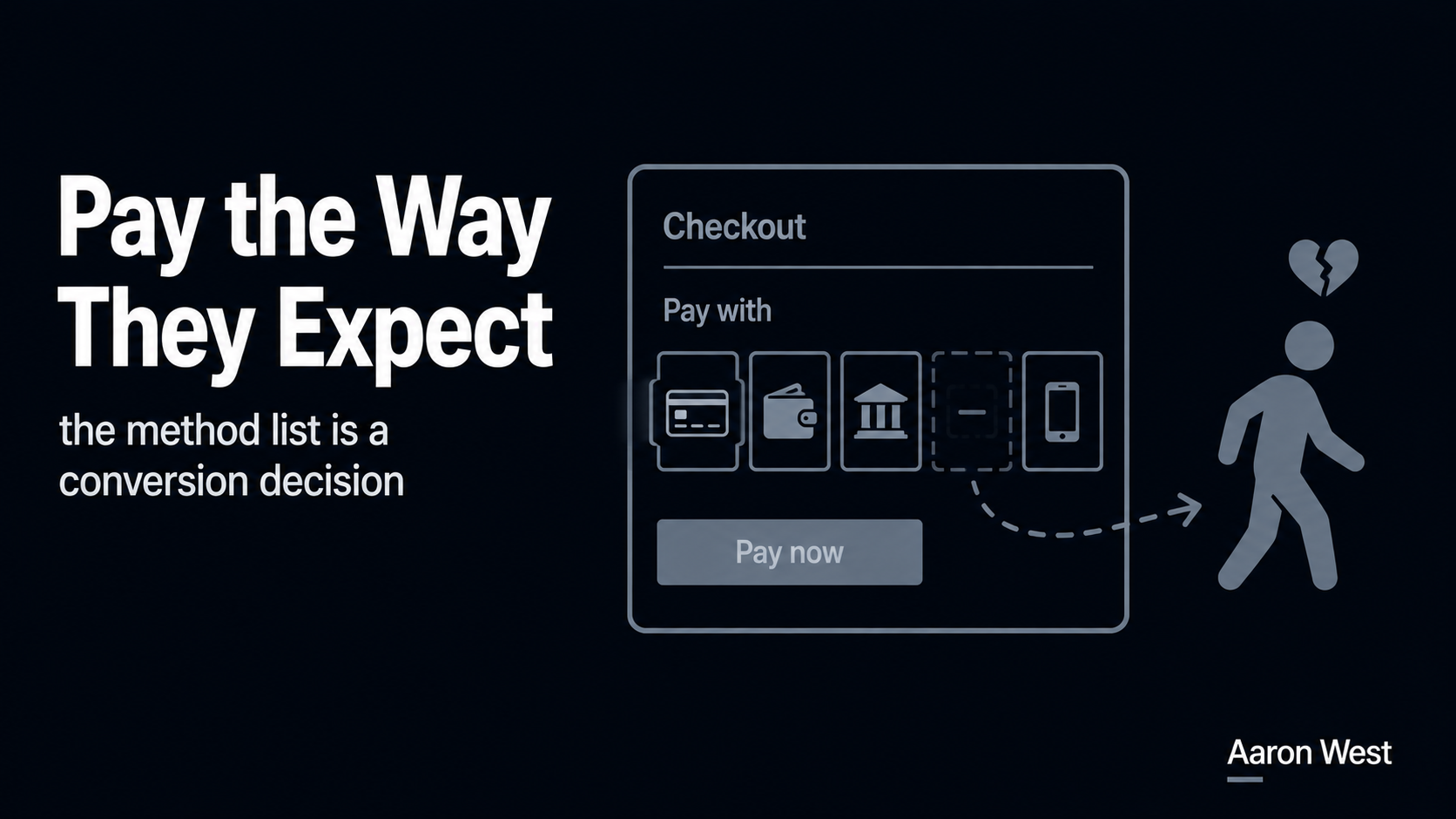
The payment methods you offer are a conversion decision disguised as a technical one. Customers have a preferred way to pay, often a strong one, and if you don't offer it, a meaningful share don't email to complain, they just abandon, silently, at the last…
Continue reading...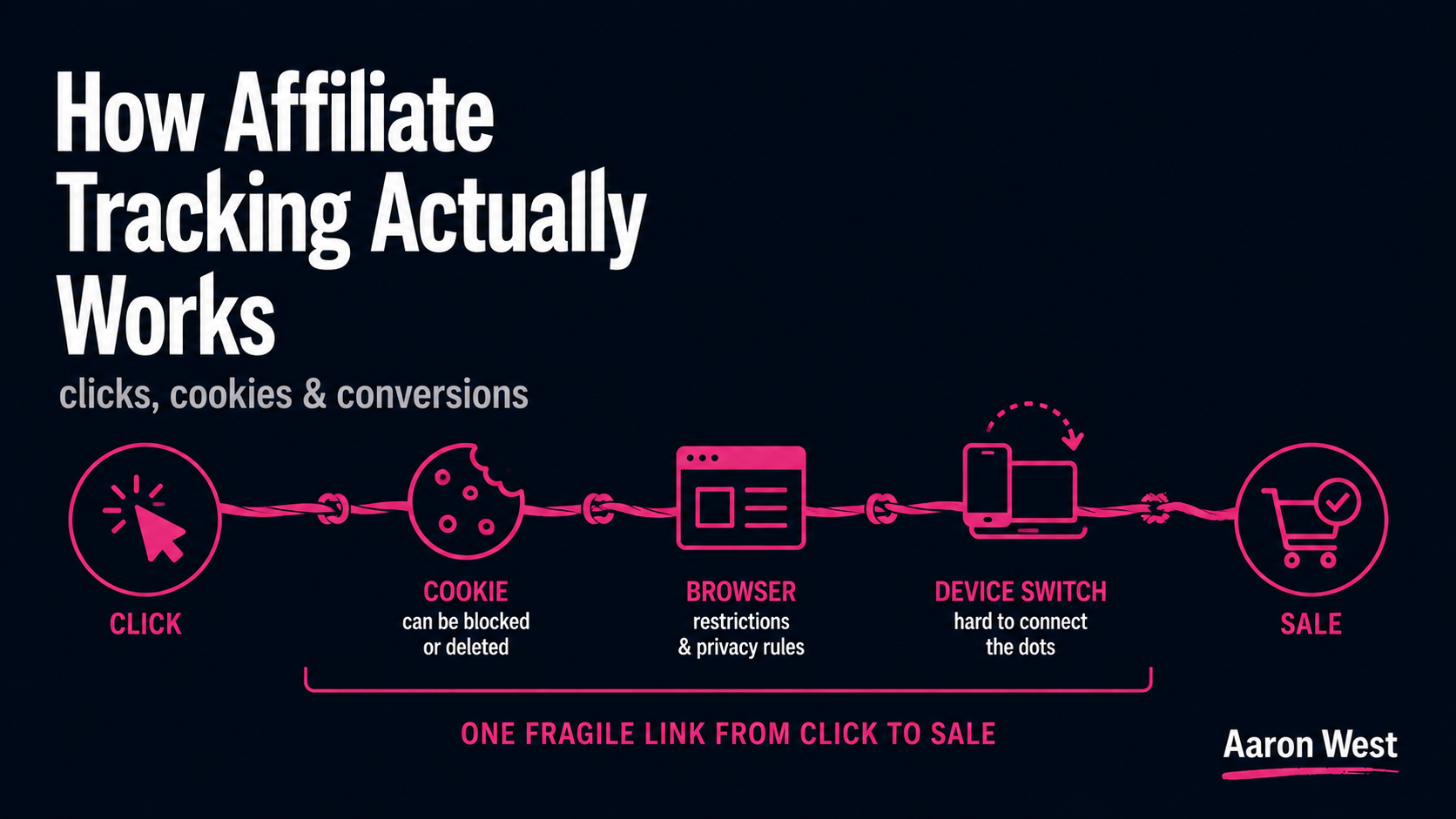
How Affiliate Tracking Actually Works: Clicks, Cookies and Conversions
Affiliate tracking is the machinery that connects a click on a partner's link to a purchase that happens later, so the right partner gets paid, and in 2026 it runs on three core methods: the browser cookie (simple but increasingly unreliable), the tracking pixel (fires…
Continue reading...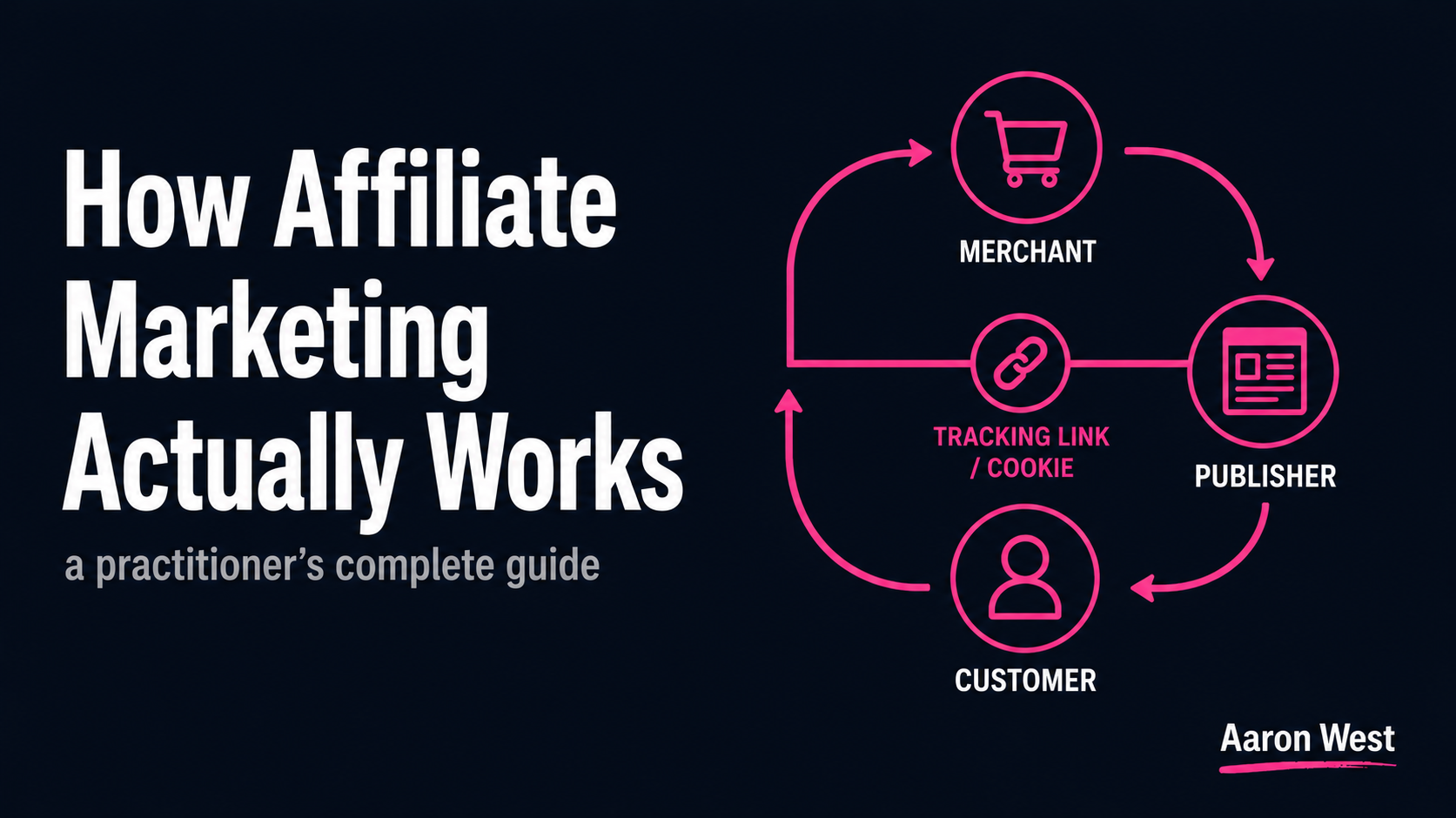
How Affiliate Marketing Actually Works: A Practitioner's Complete Guide
Affiliate marketing is a performance-based model where a business pays external partners (publishers) a commission for the sales or actions they drive, tracked through unique links so each partner gets credit for exactly what they brought in. The business only pays when it gets a…
Continue reading...