Conversion Tracking, End to End

Table of Contents
Conversion tracking is the system that connects a marketing action to the result it produced, so that when someone clicks your ad and later buys, you can actually say "that sale came from that ad." Without it, you are spending money and guessing. With it, you can see which campaigns, channels, and decisions turn into revenue, and which just burn budget. Everything else in performance marketing, optimising spend, comparing channels, calculating return, depends on this one chain working: an action happens, an event fires, and that event gets connected back to its source. This piece is how that chain actually works, start to finish.
It is the synthesis piece in the performance marketing pillar, pulling together the parts I have covered separately, the tracking pixel that fires the event, the UTMs that label the source, the attribution that assigns the credit, into one working picture. I will walk the full journey from click to recorded conversion, explain the components you actually configure (the conversion action, its value, the window, the counting rule), and then spend real time on the step almost everyone skips: validating that it works and reconciling it against the truth. Plain language, no platform-specific tutorial, the concepts that apply whatever tools you use.
The journey: from click to recorded conversion
Conversion tracking follows a customer through a sequence of moments, and understanding the sequence is most of understanding the system. Picture the path:
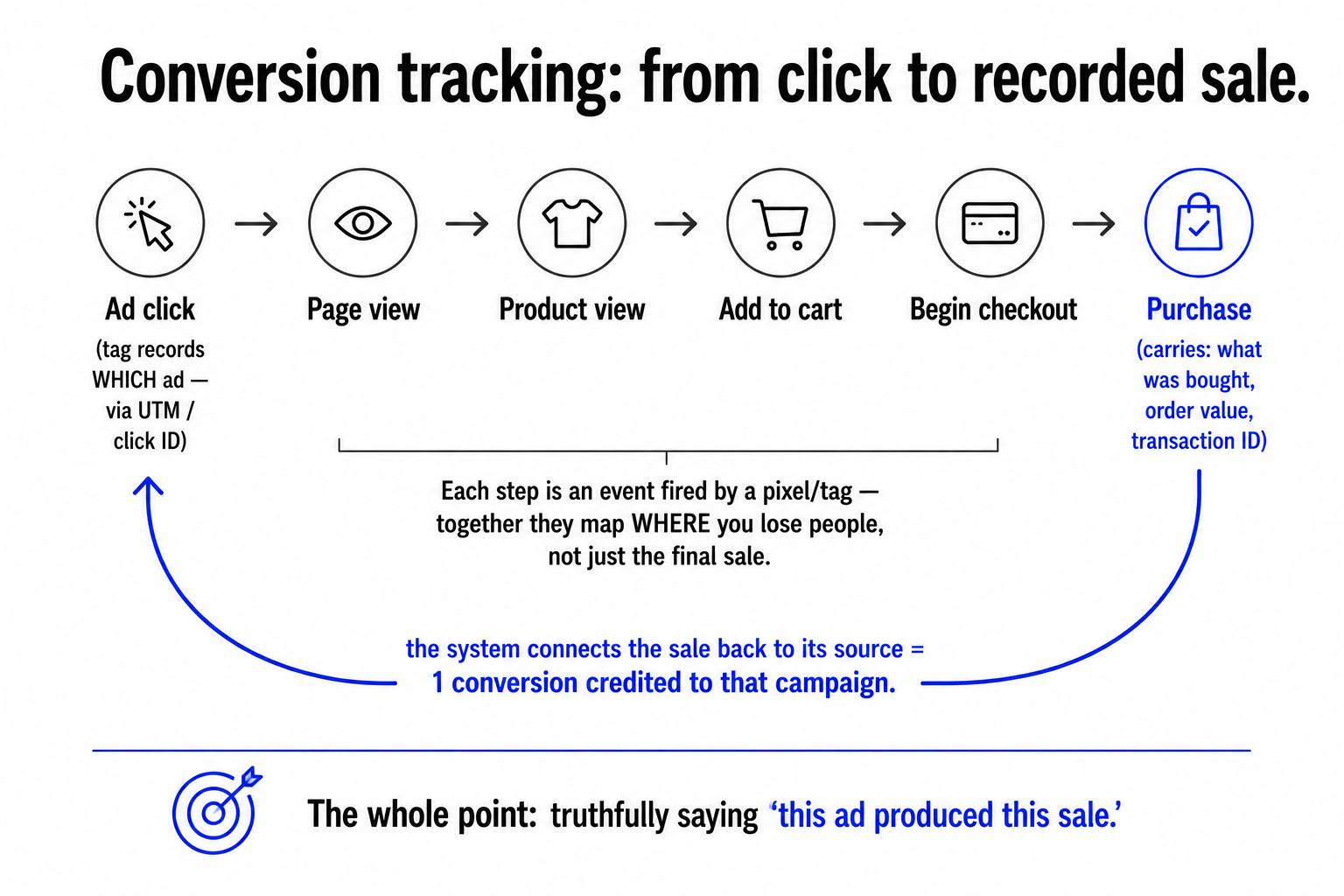
Someone clicks your ad. A tag on your site records the click and, crucially, which ad it came from, often by reading the UTM parameters on the link or a click identifier the platform attaches. They land on your site and browse, and as they move through the funnel, events fire at each meaningful step: a page view on arrival, a product view when they open an item, an add-to-cart, a begin-checkout when they start paying, and finally a purchase when the order completes. Each of these is an event, fired by a pixel or tag, and together they reconstruct the journey from first arrival to completed sale.
The purchase event is the one that matters most, because it is the conversion, and it carries the valuable detail: what was bought, the order value, a transaction identifier. The system then connects that purchase back to the original click, "this sale traces to that ad," and records a conversion against the campaign. That connection, linking the end of the journey to its beginning, is the entire point of conversion tracking. Everything else is plumbing in service of being able to say, truthfully, "this ad produced this sale."
The reason the sequence matters and not just the final purchase: seeing each step lets you find where the journey breaks. If lots of people add to cart but few begin checkout, that step is your problem. The funnel of events is not just for attribution, it is a map of where you are losing people, which is why complete event tracking (not just the purchase) is worth setting up properly.
The components you actually configure
When you set up conversion tracking, four decisions shape what it measures, and getting them right is what separates useful data from misleading data. None of this is platform-specific, the same four choices exist whatever tools you use:
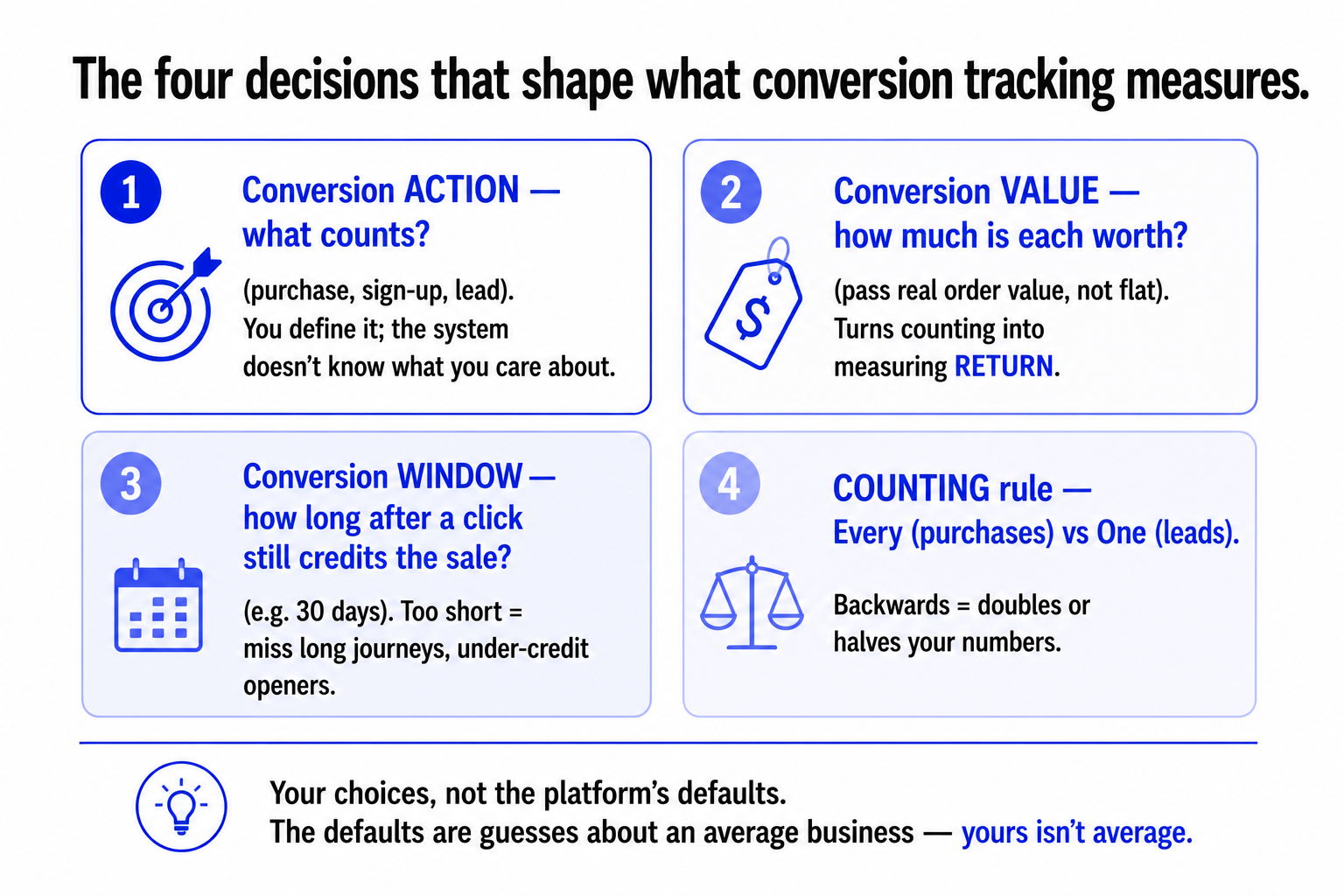
- The conversion action. What counts as a conversion? Usually a purchase, but it can be a sign-up, a lead form, an account creation, whatever outcome actually matters to your business. You define this; the system does not know what you care about until you tell it. Most measurement problems start with a sloppy definition here.
- The conversion value. How much is each conversion worth? For e-commerce this is usually the actual order value, passed dynamically so a 40 euro order and a 400 euro order are not counted as equal. This is what lets you measure return rather than just count actions, a conversion without a value tells you something happened but not whether it was worth anything.
- The conversion window. How long after a click should a sale still be credited to it? If you set a 30-day window and someone clicks today but buys in three weeks, the sale still counts toward that click. Set it too short and you miss the longer journeys (and under-credit channels that start them); the window is a genuine judgment call that shapes which channels look effective.
- The counting rule. Should every conversion count, or only the first per click? For purchases, count every one, if a customer buys twice, that is two sales. For leads, count one, the same person submitting a form three times is one lead, not three. Getting this backwards quietly doubles or halves your reported results.
These four are where conversion tracking either reflects reality or distorts it, and they are entirely your choices, not the platform's defaults. The defaults are guesses about an average business; yours is not average. The discipline is deciding each one deliberately rather than accepting whatever the tool shipped with.
The step everyone skips: validate and reconcile
Here is where most conversion tracking quietly fails, and it is not in the setup, it is in the not checking. People install the tags, see some conversions appear, and assume it works. Then they make budget decisions for months on data that was broken from day one. The two habits that prevent this are unglamorous and worth more than any clever configuration.
First, validate with a real test. Before trusting the data, run an actual end-to-end test purchase: click one of your own ads, browse, add to cart, go through checkout, and complete a real order (refund it after). While you do, watch your tracking and confirm each event fires in sequence, page view, product view, add-to-cart, begin-checkout, purchase, and that the purchase records the right value. This catches the configuration errors that otherwise corrupt your data silently for weeks: a purchase event that does not fire, a value that comes through as zero, a step that is missing. Ten minutes of testing saves months of decisions made on broken numbers. Do it after every significant change to your site or tracking, too, because updates break tracking constantly and the breakage is invisible until you look.
Second, and this is the thread running through this entire pillar, reconcile against your backend. Your conversion tracking will show one number; your actual orders, in your shop's backend, show another. Compare them regularly. Your tracking might report 95 conversions while your backend shows 100 real sales, or your ad platforms might collectively claim 130. Either gap is information: a shortfall points at tracking loss (pixels blocked, cookies expired), an excess points at double-counting across platforms. Your backend, the real orders, is the source of truth, and conversion tracking is an estimate to be checked against it, never a replacement for it. A monthly reconciliation, backend versus tracked, is the single most valuable measurement habit you can build, because it is the only thing that tells you whether the numbers you are optimising on bear any relationship to reality.
That is conversion tracking, end to end. A chain that connects a click to a sale, built from events that a pixel fires through a funnel, shaped by four deliberate choices (action, value, window, counting), and, crucially, validated with a test and reconciled against your backend rather than trusted blindly. Set up well, it is the foundation every other performance decision rests on, which campaigns to scale, which to cut, what your marketing actually returns. Set up carelessly and never checked, it is a confident stream of numbers that may have no connection to your real sales, and it will lead you to spend money in exactly the wrong places. The setup is the easy part. The discipline of checking it against the truth is what makes the data worth having. Build the chain, then never stop verifying it holds.
A few common questions
What is conversion tracking? Conversion tracking is the system that connects a marketing action to the result it produced, so you can say a specific sale came from a specific ad, channel, or campaign. It works by recording a click (and which ad it came from), then firing events as the customer moves through the funnel (page view, product view, add-to-cart, begin-checkout, purchase), and connecting the final purchase back to the original click. Without it you're spending money and guessing; with it you can see which campaigns turn into revenue.
What do I need to configure for conversion tracking? Four decisions, none platform-specific. The conversion action (what counts, a purchase, sign-up, or lead, you define it). The conversion value (how much each is worth, ideally the real order value passed dynamically, so you can measure return not just count actions). The conversion window (how long after a click a sale still credits to it, e.g. 30 days, too short and you under-credit channels that start long journeys). And the counting rule (Every for purchases since two purchases are two sales; One for leads since the same person submitting a form three times is one lead). These are your choices, not the platform's defaults.
Why doesn't my conversion tracking match my actual sales? Because conversion tracking is an estimate, not your ledger, and it can be off in either direction. If it reports fewer conversions than your backend shows, that's tracking loss, pixels blocked by ad blockers, cookies expired by browser privacy. If your ad platforms collectively claim more than your real orders, that's double-counting, each platform crediting itself for the same sale. Your backend (actual orders) is the source of truth. Reconcile your tracking against it regularly; the gap is information about where your measurement is breaking.
How do I make sure my conversion tracking actually works? Validate and reconcile. Validate by running a real end-to-end test purchase, click your own ad, browse, add to cart, check out, complete a real order (refund after), and watch each event fire in sequence with the correct value. This catches configuration errors that otherwise corrupt data silently for weeks, and you should re-test after any significant site or tracking change. Reconcile by comparing your tracked conversions against your backend orders monthly, the gap reveals tracking loss or double-counting. The setup is easy; the checking is what makes the data trustworthy.
You should also read:
The Thank-You Page: Where Conversion Ends and Retention Begins
The moment right after someone buys from you is the single highest-trust, highest-goodwill moment you will ever get with that person. They have just said yes. They have handed over their card, their email, their address. Their guard is down and their momentum is forward.
Continue reading...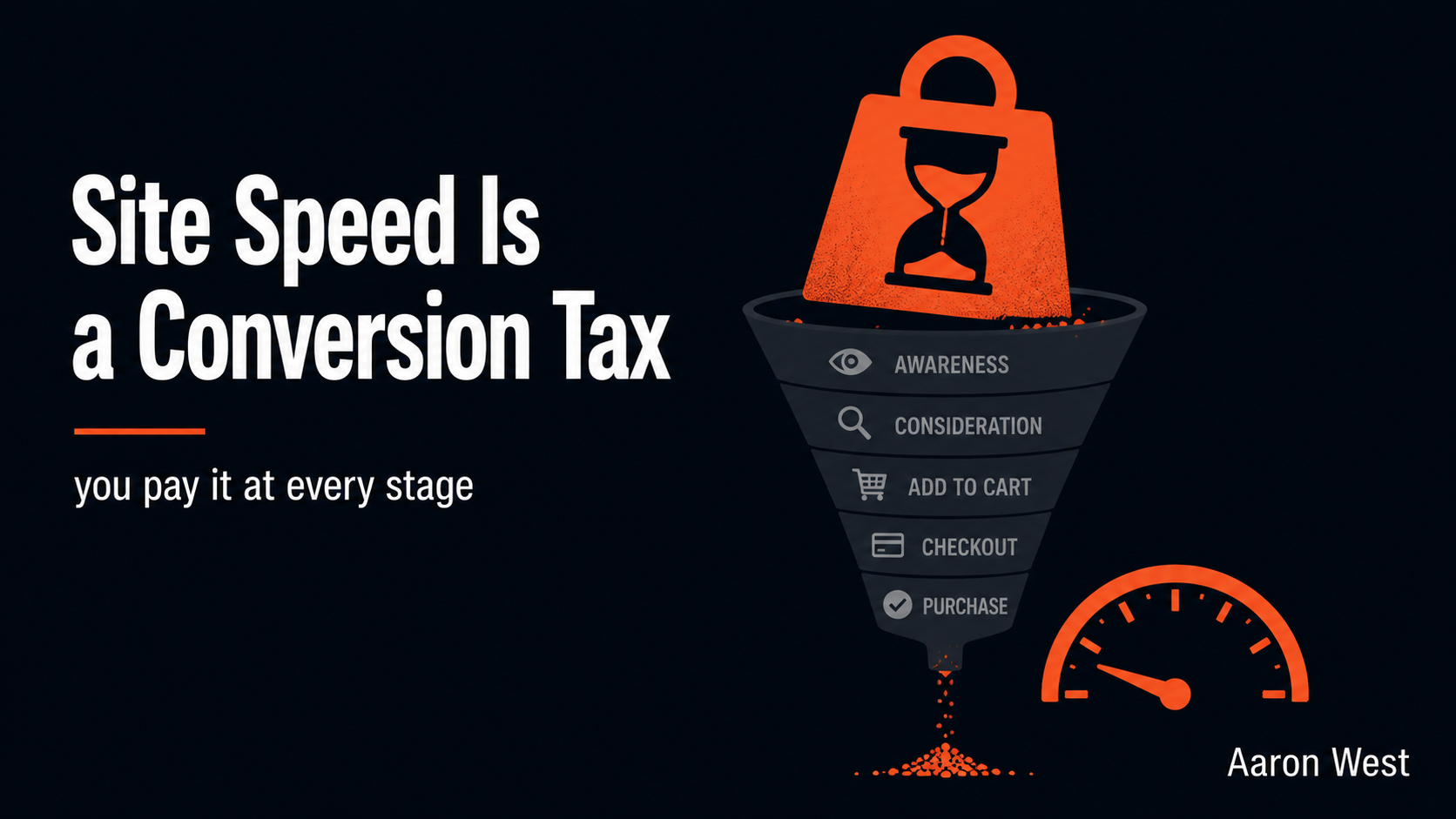
Site Speed Is a Conversion Tax You Pay at Every Stage
Site speed is not a separate conversion problem you can deal with later. It is a tax applied to every stage of your funnel at once, quietly shrinking the result of all the other work you do. A slow site loses people at discovery before…
Continue reading...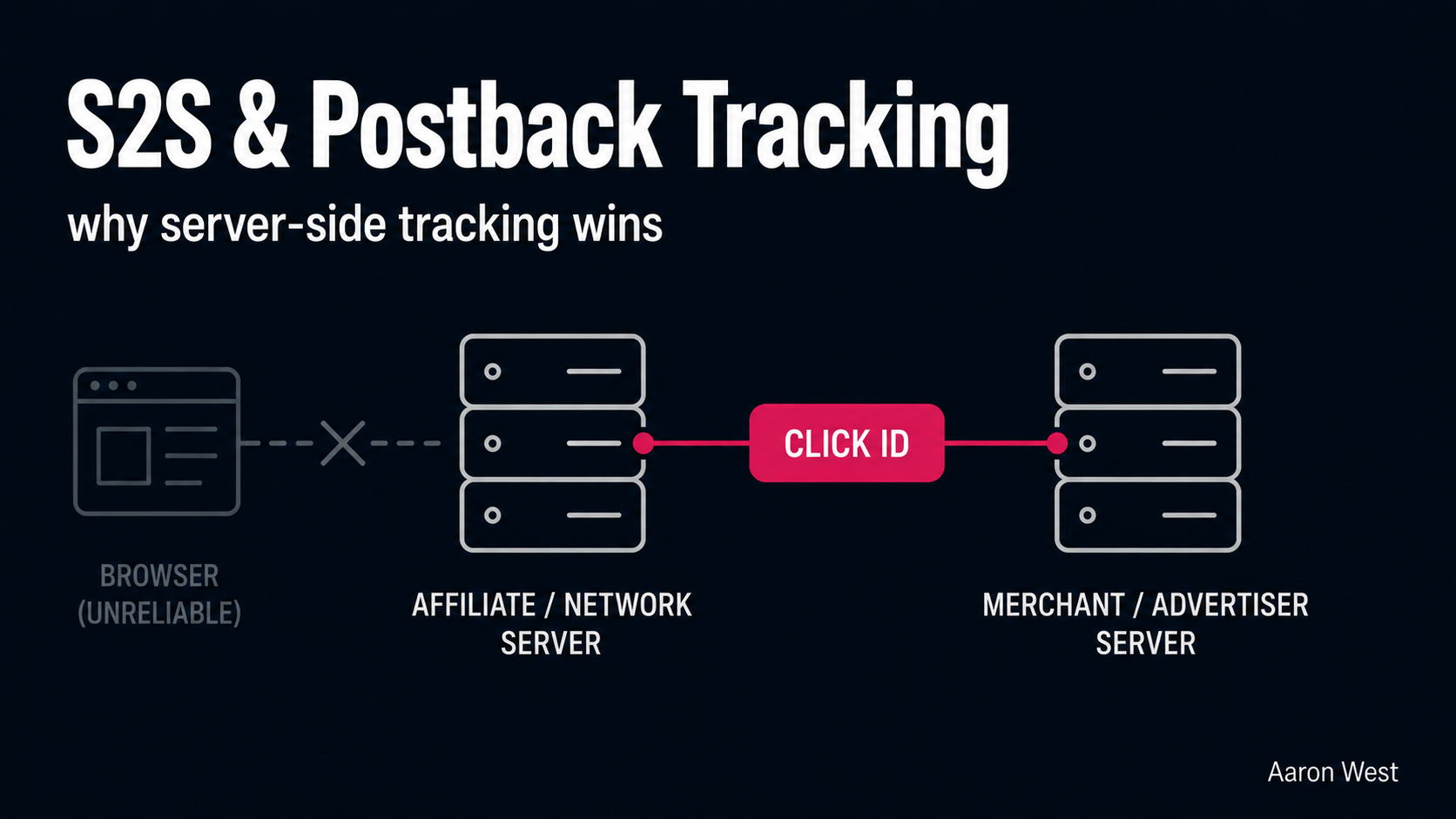
Server-to-Server (S2S) and Postback Tracking, Explained
Server-to-server (S2S) tracking, also called postback tracking, records an affiliate conversion by having the merchant's server send the sale data directly to the affiliate platform's server, with no cookie and no browser involved. That one architectural change, moving the conversion record off the shopper's browser…
Continue reading...