Data and Privacy: The Trust Layer Under Everything

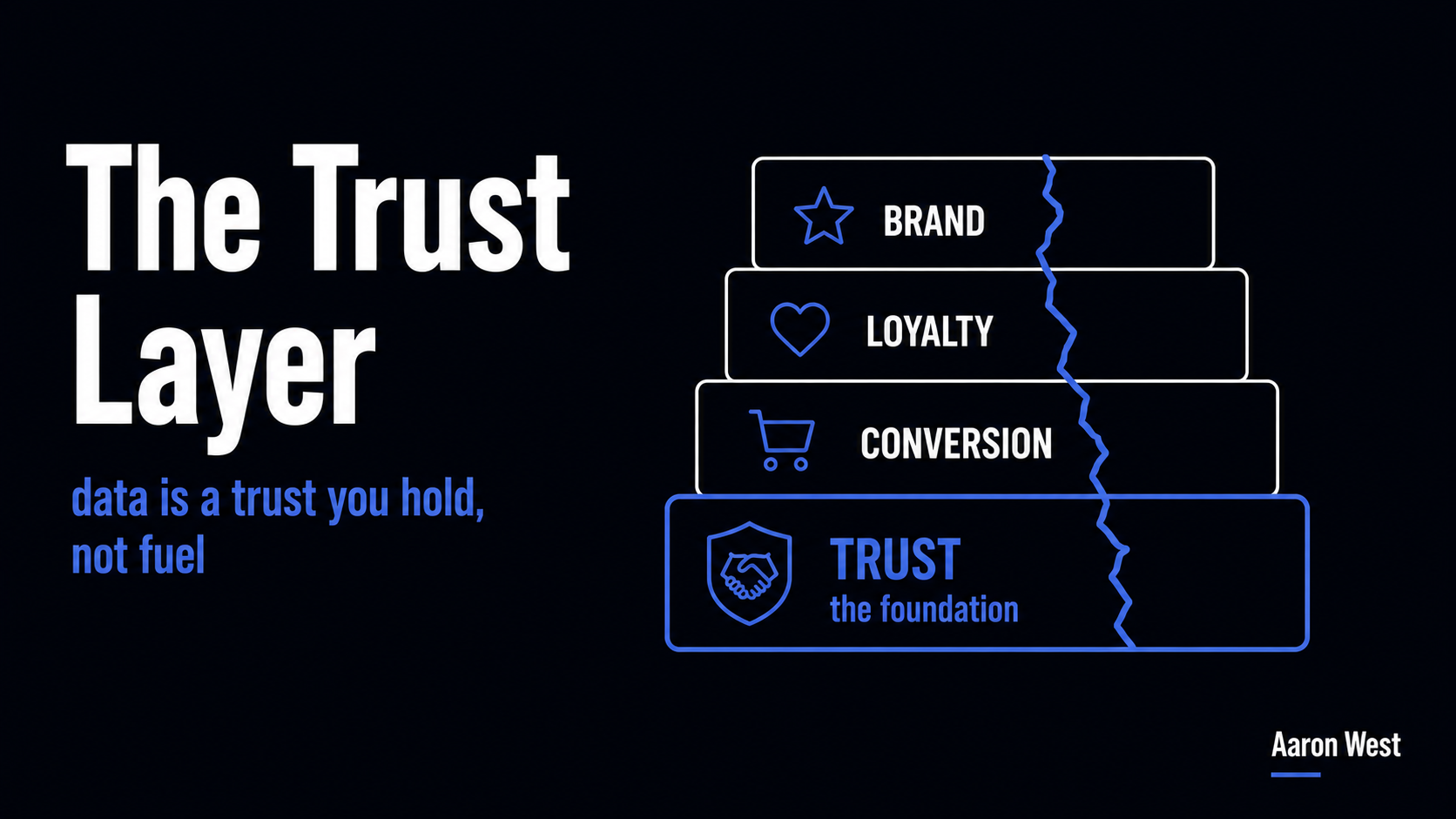
Table of Contents
Customer data isn't an asset to exploit; it's a trust you hold. Customers let you keep their data on an implicit promise that you'll handle it responsibly, and every breach of that promise, creepy targeting, a leak, opaque use, withdraws trust that's slow and expensive to rebuild. Treating data as a trust layer rather than fuel to extract is both the right thing and, increasingly, the only approach that actually works.
This opens the Data, Privacy & Compliance pillar, and it's the cornerstone the cluster links up to: GDPR and consent in plain English and accessibility as legal, moral, and conversion case. One note before anything else: this is strategy and posture, not legal advice. For your obligations, get qualified counsel.
Two ways to see customer data
There are two fundamentally different ways to think about the data your customers give you, and which one you hold quietly decides almost everything downstream.
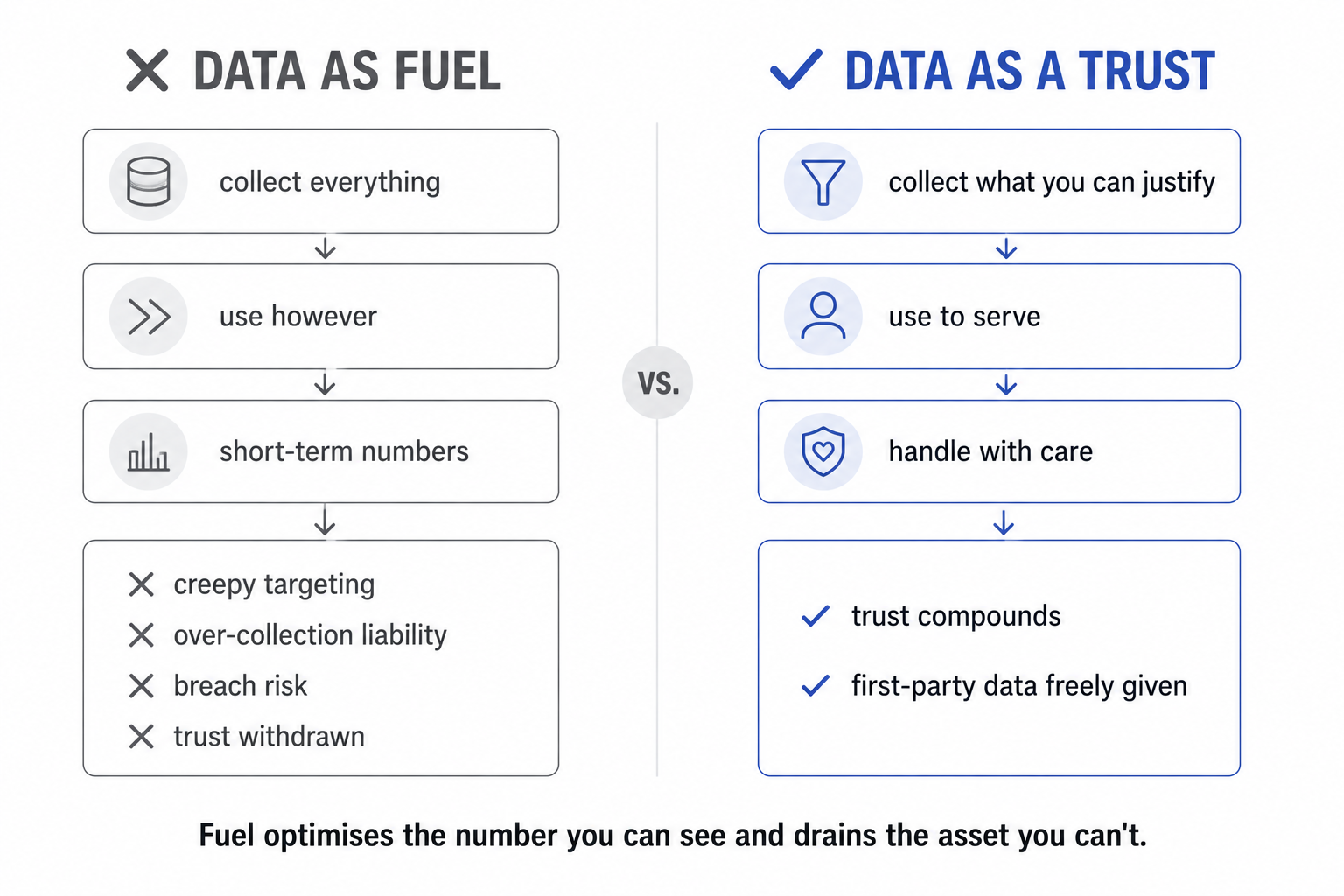
The first is data as fuel: collect everything you can, store it all, and use it however drives the numbers this quarter. It's the default in a lot of e-commerce, and it feels productive, more data, more targeting, more optimisation. The second is data as a trust you hold: the customer's data, lent to you on an implicit promise that you'll keep it safe and use it in ways that serve them. Most teams default to fuel. The durable frame, the one that holds up as the world changes, is trust.
Why "fuel" thinking backfires
Treating data as fuel produces predictable damage, and it's the kind that doesn't show on this quarter's dashboard. It produces the creepy targeting that makes customers recoil, the moment they realise you know more than they're comfortable with. It produces over-collection, where you hoard data you don't need, which quietly becomes a liability the day anything goes wrong. It produces the breach that destroys trust overnight, because you were holding data you should never have kept. And it produces the opaque, surprising use that erodes the relationship a little at a time.
All of it is short-term extraction paid for with long-term trust withdrawal. And trust, once spent, is the single most expensive thing in business to rebuild, because the customer who felt betrayed doesn't forget, and tells others. Fuel thinking optimises the number you can see and quietly drains the asset you can't.
Data is the trust layer under everything
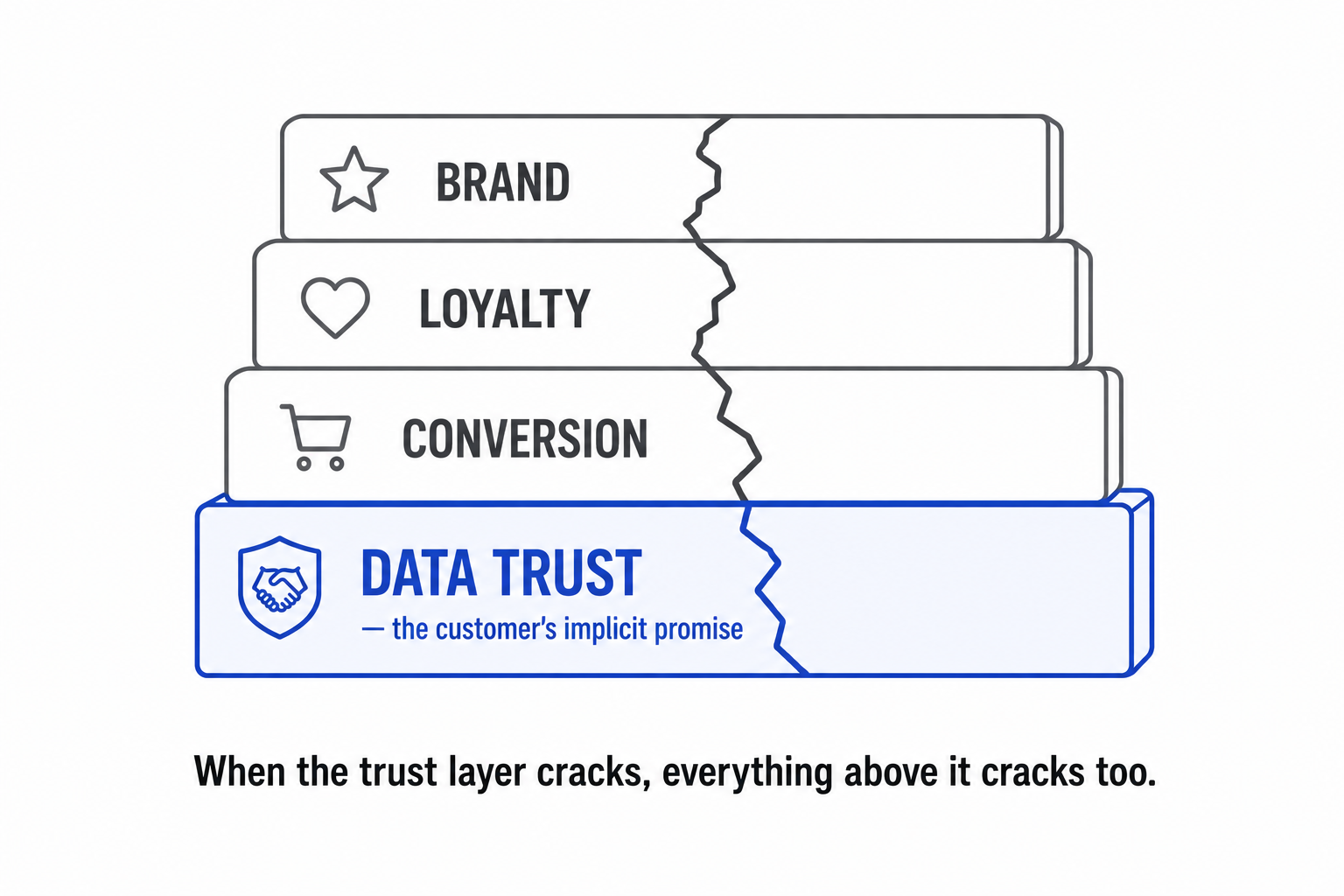
Here's the frame worth holding. Customers hand you data, their email, address, behaviour, payment details, on an implicit promise: you'll keep it safe, use it in ways that serve them, and not betray it. That promise is the trust layer underneath the entire relationship, and everything you build sits on top of it.
Your conversion rate sits on it, because a customer who doesn't trust you with their card doesn't buy. Your loyalty sits on it, because repeat business is a trust relationship. Your brand sits on it, because reputation is, in the end, accumulated trust. So when the data trust layer cracks, a breach, a betrayal, a creepy surprise, everything above it cracks too. That's what makes data different from other operational concerns: it isn't one system among many, it's the foundation the others stand on. It deserves the care you give a foundation, not the casualness you give a resource.
The strategic flip: privacy is growth, not a burden
Privacy is almost always framed as a compliance cost, a burden fighting against growth, a tax the legal team imposes on the marketing team. The durable truth is closer to the opposite, and it's the most important point in this piece.
In a world where third-party surveillance data is decaying, the cookieless shift the performance work covers in detail, the data that's becoming scarce and valuable is the data customers give you freely because they trust you. First-party data, offered willingly by people who believe you'll use it well, is now the most valuable data there is, and it's the direct dividend of being trustworthy. You can't buy it and you can't harvest it; you can only earn it. Which means respecting privacy isn't the thing slowing your growth, it's increasingly the thing enabling it. The trustworthy store gets the good data; the extractive store is left with the decaying surveillance data everyone else also has.
That's the flip. Privacy isn't the enemy of data-driven growth. In a post-surveillance world, it's the precondition for it.
The trust dividend
This connects directly to the CRM and lifecycle work: when you treat data as a trust, customers give you more and better of it. They opt in. They tell you their preferences. They share what they want, because they trust you'll use it to serve them rather than to chase them around the internet. That freely given first-party data outperforms surveillance data precisely because it's volunteered, accurate, and consented, and it's the reward for having earned the trust in the first place. Trustworthiness compounds into better data, which compounds into a better relationship. The dividend is real and it's self-reinforcing.
The practical posture (not legal advice)
You don't need to be a lawyer to get the posture right, and the posture is most of the battle:
- Collect what you need and can justify, not everything you can. Over-collection is liability dressed up as thoroughness.
- Be transparent about what you collect and why, in language a customer can actually understand.
- Secure it properly. Data you hold is data you're responsible for.
- Use it in ways the customer would recognise as serving them, not in ways that would make them recoil if they saw them.
- Make consent real, not buried, not tricked, the subject of the GDPR and consent piece.
This is both good practice and broadly the direction privacy regulation pushes you in, which is not a coincidence: the law mostly codifies "handle people's data fairly." For your specific obligations, get qualified counsel. The posture above is how to think about it, not a substitute for legal advice.
What this comes down to
Data is the trust layer under everything else you build. Conversion, loyalty, and brand all sit on top of the customer's belief that you'll handle their data responsibly, which is why treating that data as fuel to extract spends the foundation for a quarter's numbers. Treat it as a trust to honour instead, and customers give you the freely offered, first-party data that's the only kind worth having in a post-surveillance world.
E-commerce spent a decade treating customer data as something to harvest, and is now discovering the harvest poisoned the well: customers are wary, the surveillance data is decaying, and trust is the scarce currency. The teams that win the next decade treat data as a trust to honour, which happens to be both the decent thing and the profitable one. Privacy isn't the tax on growth. Increasingly, it's the foundation of it.
A few common questions
Is customer data an asset or a liability? Both, depending on how you hold it. Treated as fuel to extract, hoarded and used however drives short-term numbers, it becomes a liability: creepy targeting that makes customers recoil, over-collection that's dangerous the day anything goes wrong, and breaches that destroy trust overnight. Treated as a trust you hold, collected with restraint and used to serve the customer, it becomes the foundation of the relationship and earns you the freely given first-party data that's genuinely valuable. The data is the same; the posture decides which it becomes.
Why is privacy described as a growth strategy rather than a cost? Because third-party surveillance data is decaying, and the data that's becoming scarce and valuable is what customers give you freely because they trust you. First-party data, volunteered by people who believe you'll use it well, is now the most valuable data there is, and you can only earn it by being trustworthy, you can't buy or harvest it. So respecting privacy isn't slowing your growth, it's the precondition for getting the good data in the first place. The trustworthy store gets the volunteered data; the extractive one is left with the decaying surveillance data everyone else also has.
What does it mean to treat data as a "trust layer"? It means recognising that customers hand over their data on an implicit promise, you'll keep it safe and use it to serve them, and that this promise sits underneath the whole relationship. Conversion, loyalty, and brand all rest on the customer's belief that you'll handle their data responsibly. So a breach or a betrayal isn't a line-item cost, it's a trust collapse that cracks everything built on top of it. Data deserves the care you give a foundation, not the casualness you give a resource.
What's the practical posture for handling customer data well? Collect only what you need and can justify (not everything you can), be transparent about what you collect and why, secure it properly, use it in ways the customer would recognise as serving them, and make consent genuine rather than buried or tricked. This is both good practice and broadly the direction privacy regulation pushes you, the law largely codifies "handle data fairly." For your specific legal obligations, get qualified counsel; the posture is how to think about it, not legal advice.
You should also read:
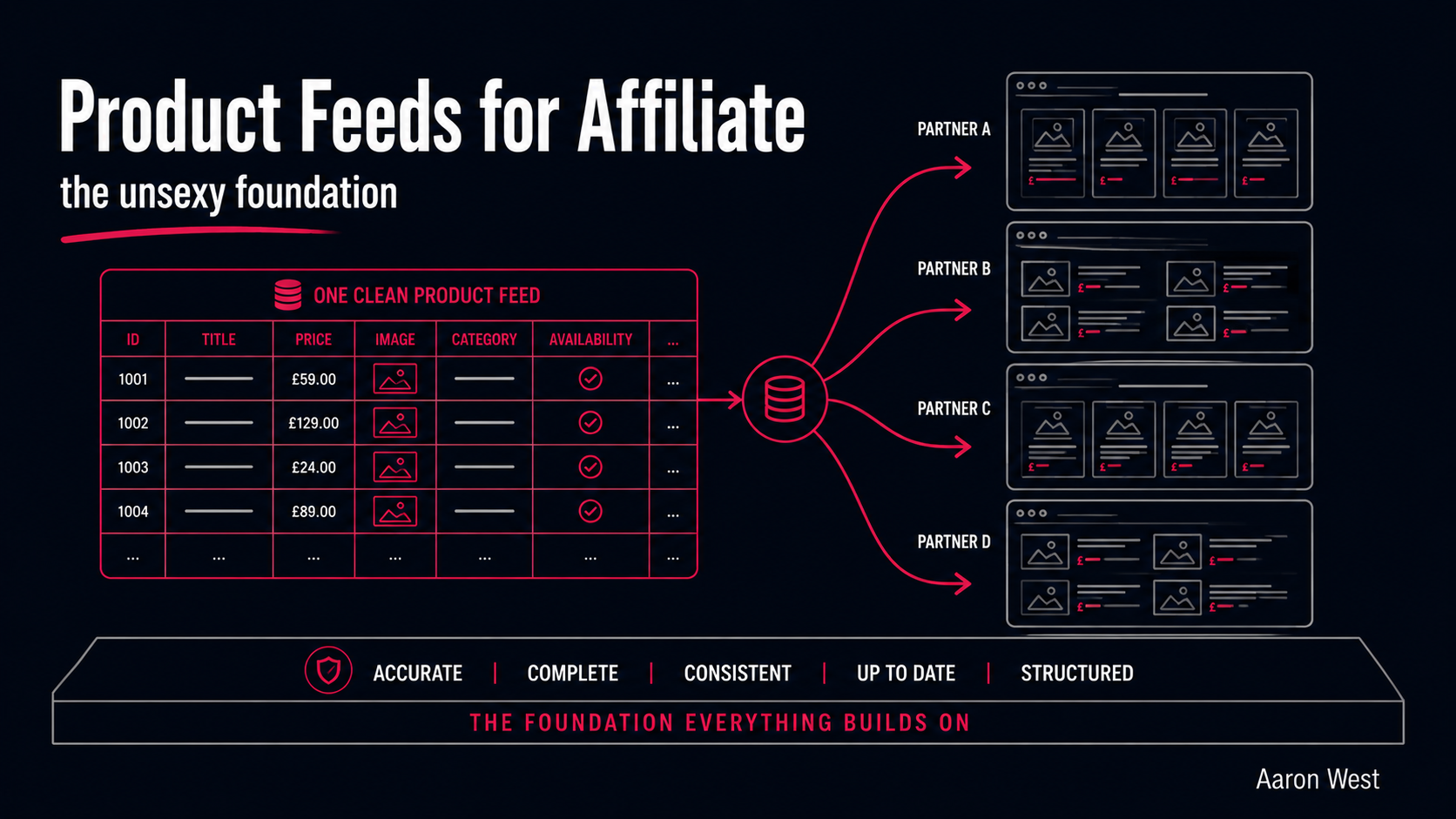
Product Feeds and Data Structure for Affiliate: The Unsexy Foundation
A product feed is a structured, regularly-updated file containing all your product information, name, price, description, image, link, availability, that your affiliate partners use to promote your products accurately. It is the least glamorous part of an affiliate programme and one of the most consequential,…
Continue reading...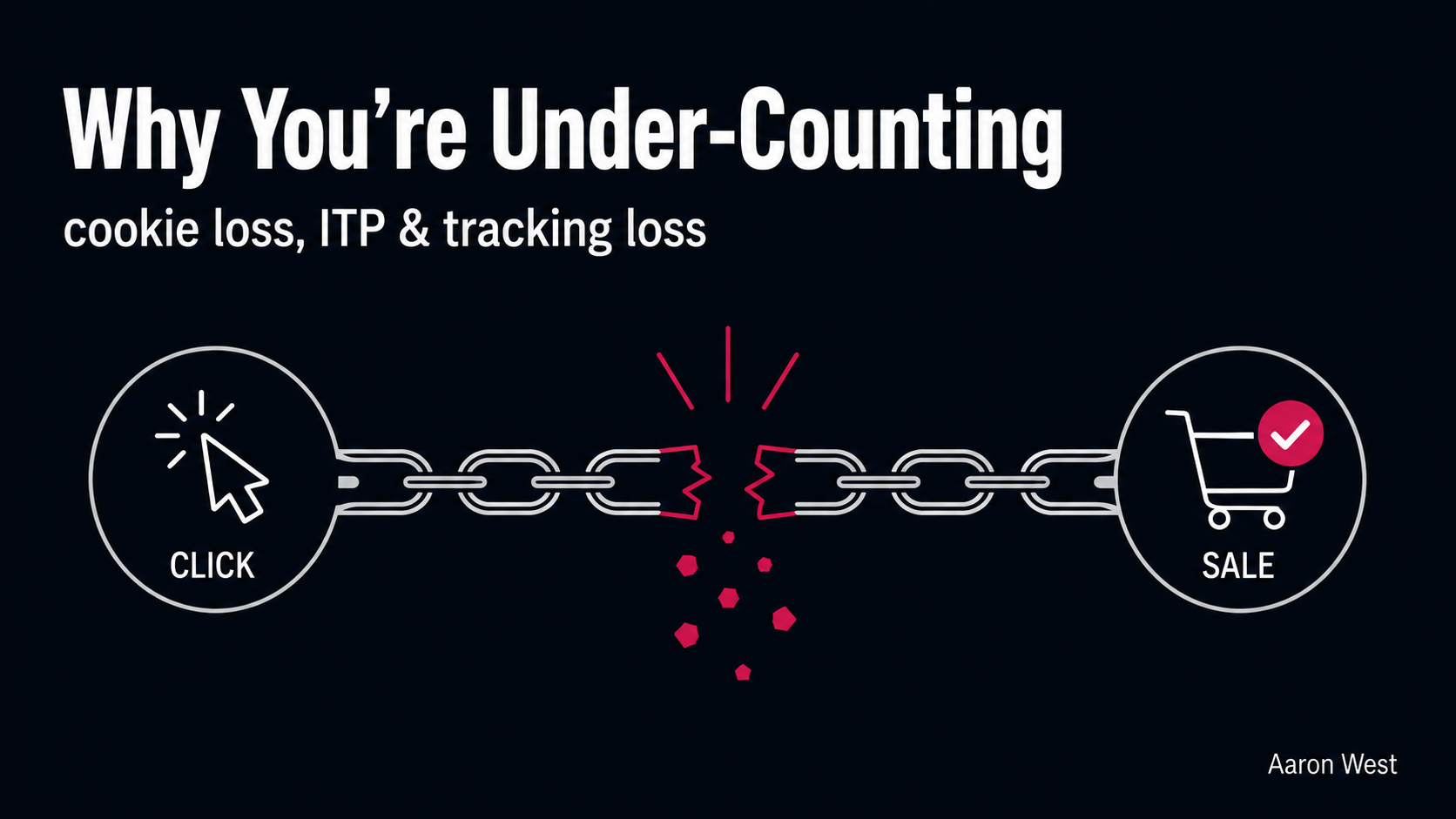
Why You're Under-Counting: Cookie Loss, ITP, and Tracking Loss
If you run an affiliate programme, you are almost certainly crediting your partners for fewer sales than they actually drove, and the gap is widening every year. The cause is the steady collapse of browser cookie tracking: privacy features like Safari's Intelligent Tracking Prevention, the…
Continue reading...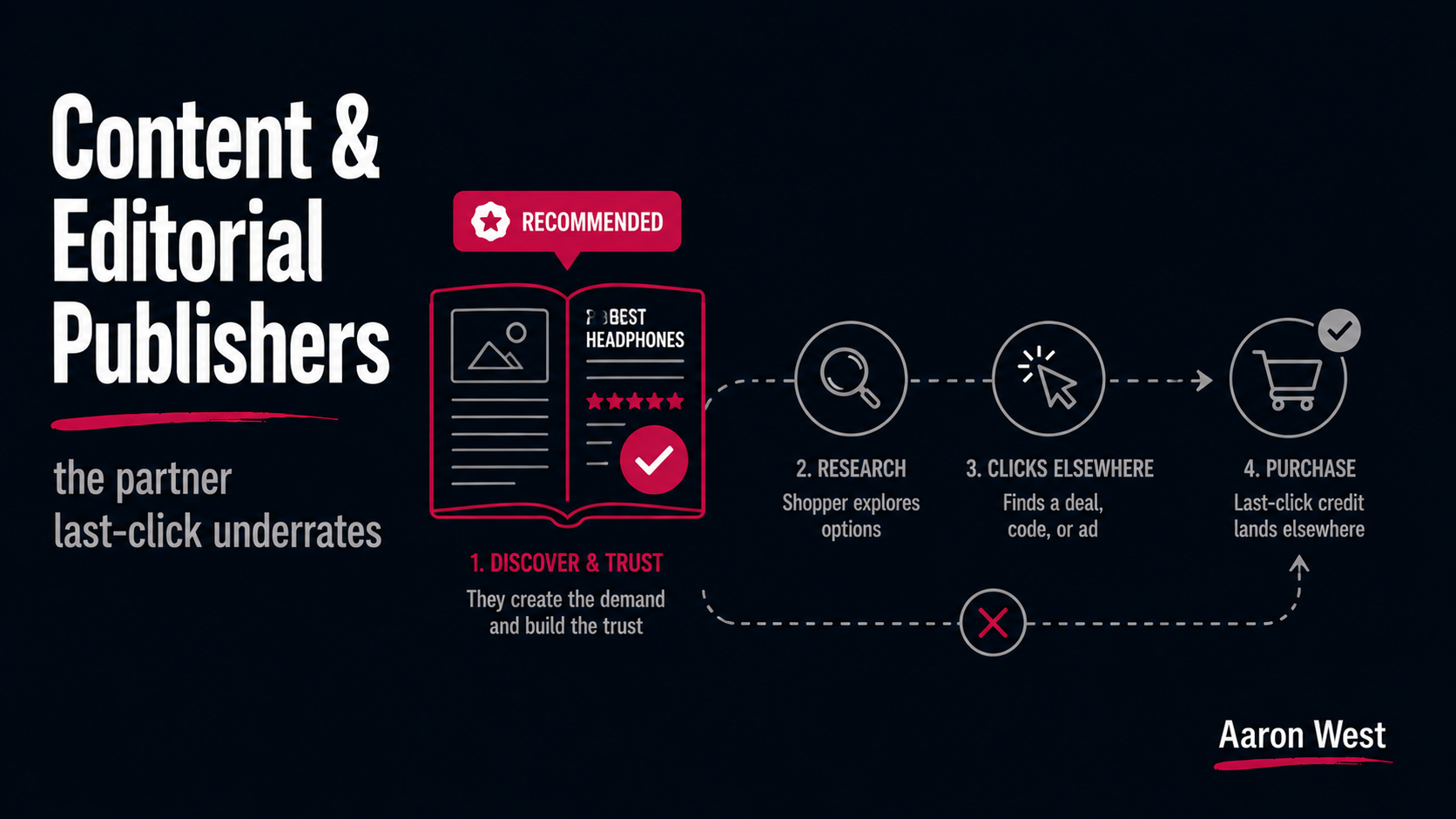
Content and Editorial Publishers: The Affiliate Partner Last-Click Underrates
Content and editorial publishers are affiliate partners who earn commission through genuine editorial work, product reviews, buying guides, comparisons, how-to articles, the kind of content people actively seek out when they are trying to decide what to buy. They are the opposite end of the…
Continue reading...