Processes and SOPs: The Boring Backbone of a Store That Scales

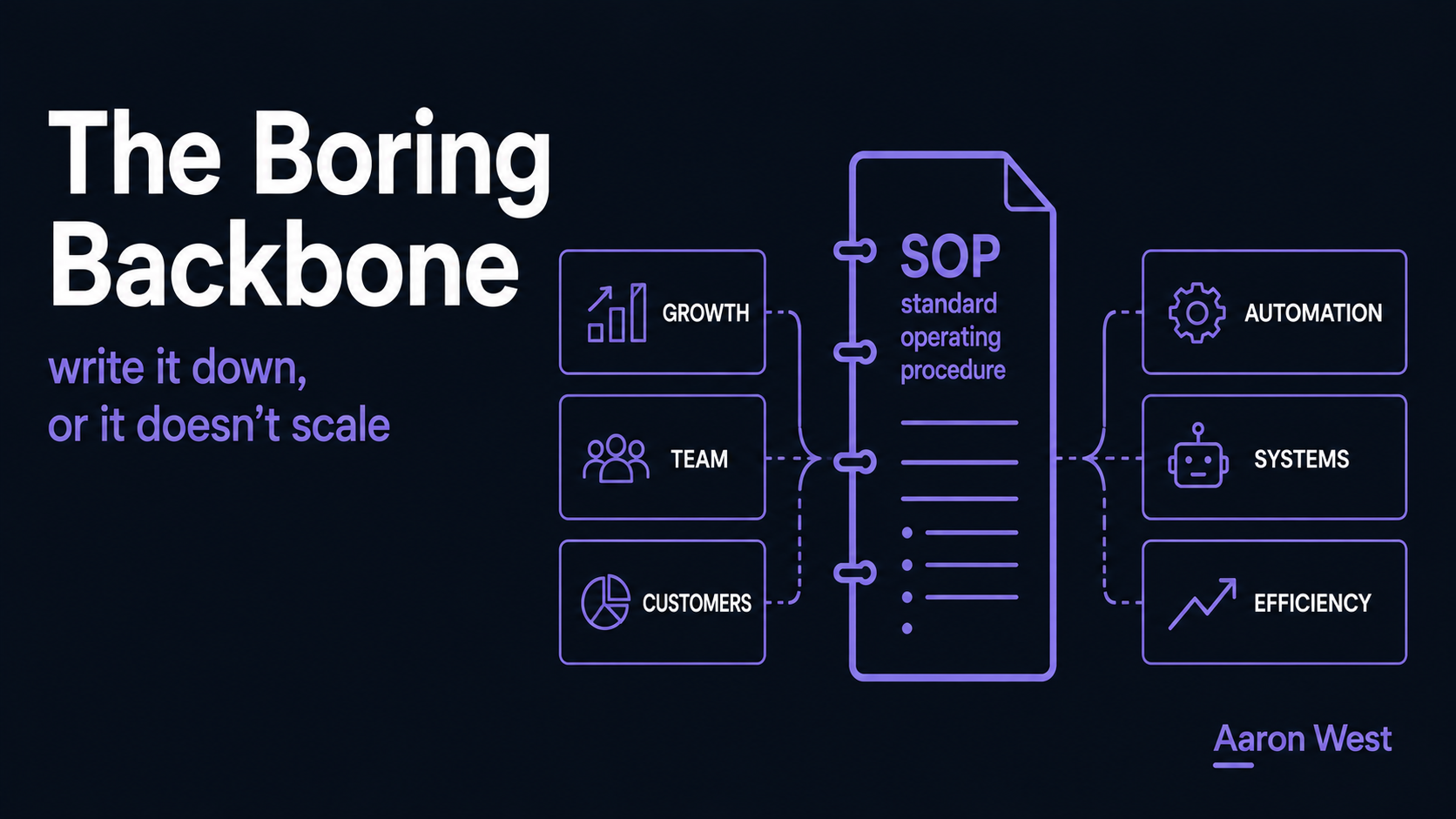
Table of Contents
The standard operating procedure, the written-down "here's exactly how we do this," is the least glamorous and most underrated tool in e-commerce operations. It's what turns knowledge trapped in one person's head into something the whole team can do reliably and repeatedly, without that person, and it's the prerequisite for delegating, improving, or automating any process at all. "We don't have time to write it down" is one of the most expensive sentences in a growing operation.
This is a core of the Operations, Scaling & Seasonality pillar, under the cornerstone about scaling without the chaos, where turning the informal into the systematic is the whole game. SOPs are the most basic form of that conversion.
The most underrated tool in operations
SOPs are boring. Nobody gets excited about documenting how the Monday reconciliation runs, or the exact steps to process a return, or how a product gets added to the catalogue. It feels like bureaucracy, like the kind of paperwork that real, fast-moving operators don't have time for.
Which is precisely why it's underrated and skipped, and precisely why the operations that scale well are quietly the ones that wrote it all down. The boring work is load-bearing. The exciting work, automation, new channels, growth, all sits on top of the unglamorous foundation of having actually defined how things get done. Skip the foundation and everything above it wobbles.
Knowledge in heads is a liability
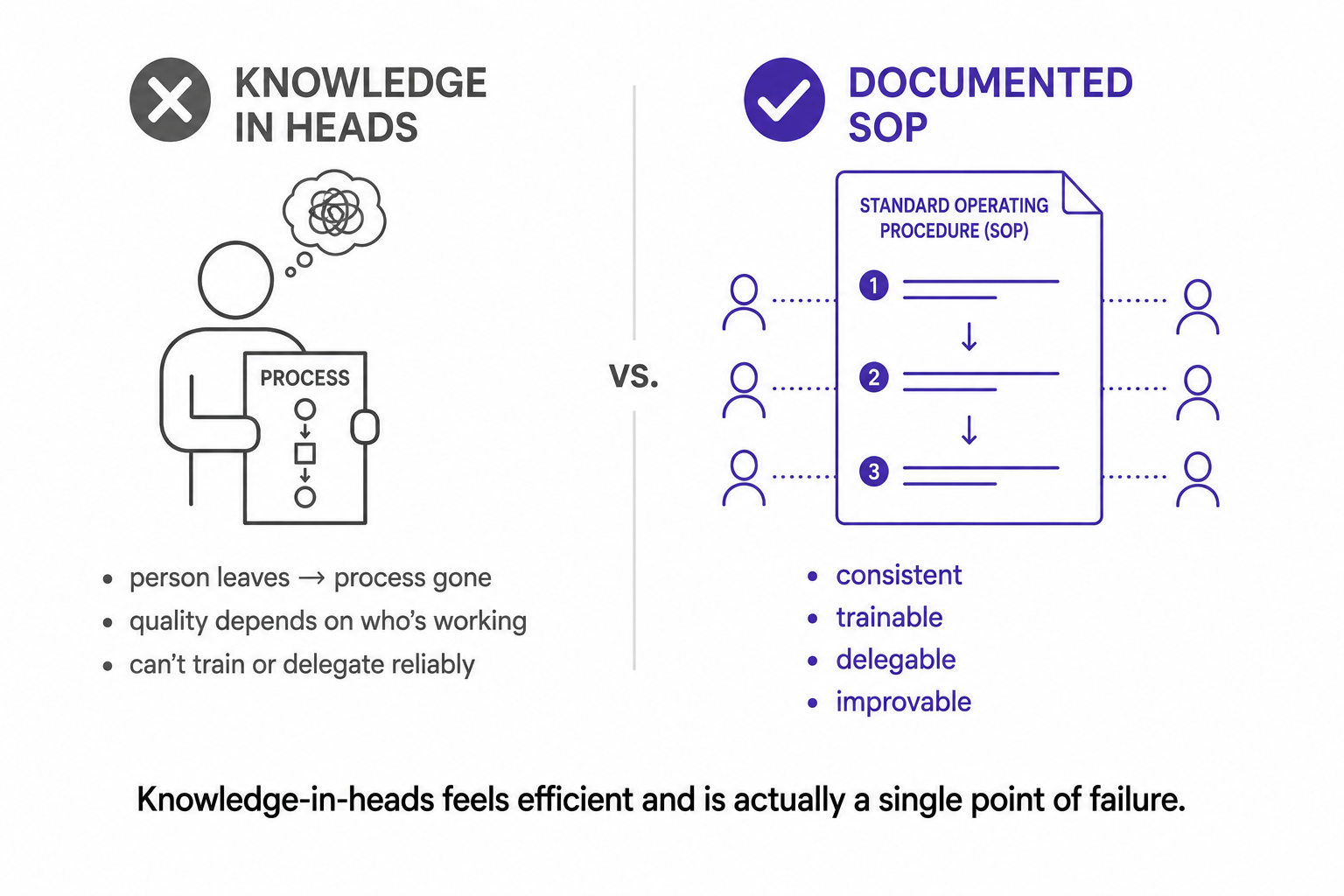
Here's the problem SOPs solve, and it's a bigger problem than it looks. When a process lives only in someone's head, the business is quietly hostage to that person. They go on holiday and the process goes with them. They get sick and something important doesn't happen. They leave, and a chunk of how the business actually runs walks out the door with no handover possible, because it was never written down.
And even while that person is present, the process is fragile: its quality depends entirely on who's doing it that day, and there's no reliable way to train anyone, because the "training" is shadowing someone and hoping it sticks. Knowledge-in-heads feels efficient, you didn't waste time documenting, but it's the opposite of robust. It's a single point of failure wearing the disguise of an experienced employee.
What an SOP actually buys you
A good SOP isn't paperwork for its own sake; it buys four concrete things, and each one matters more as you grow:
- Consistency. The process runs the same way regardless of who does it, so quality stops depending on which person happened to pick it up.
- Trainability. A new hire can learn the task from the document, not from osmosis and luck, which turns onboarding from a months-long shadowing exercise into something repeatable.
- Delegability. You can hand a task off because it's actually defined. You can't delegate "the thing I do that I can't quite explain."
- Improvability. You can't improve a process you can't see. Written down, it becomes a thing you can examine, question, and refine. In someone's head, it just is what it is.
The boring document unlocks all four, and all four are exactly what an operation needs to grow without the chaos.
The prerequisite for automation
Here's the point that matters most, and it ties straight to the automation discipline: you cannot automate a process you haven't documented. Or rather, you can try, and you'll fail expensively, because automating an undocumented process means encoding your assumptions about the process rather than the process itself, missing the exceptions the human handled silently, and building something that breaks the first time reality doesn't match the assumption.
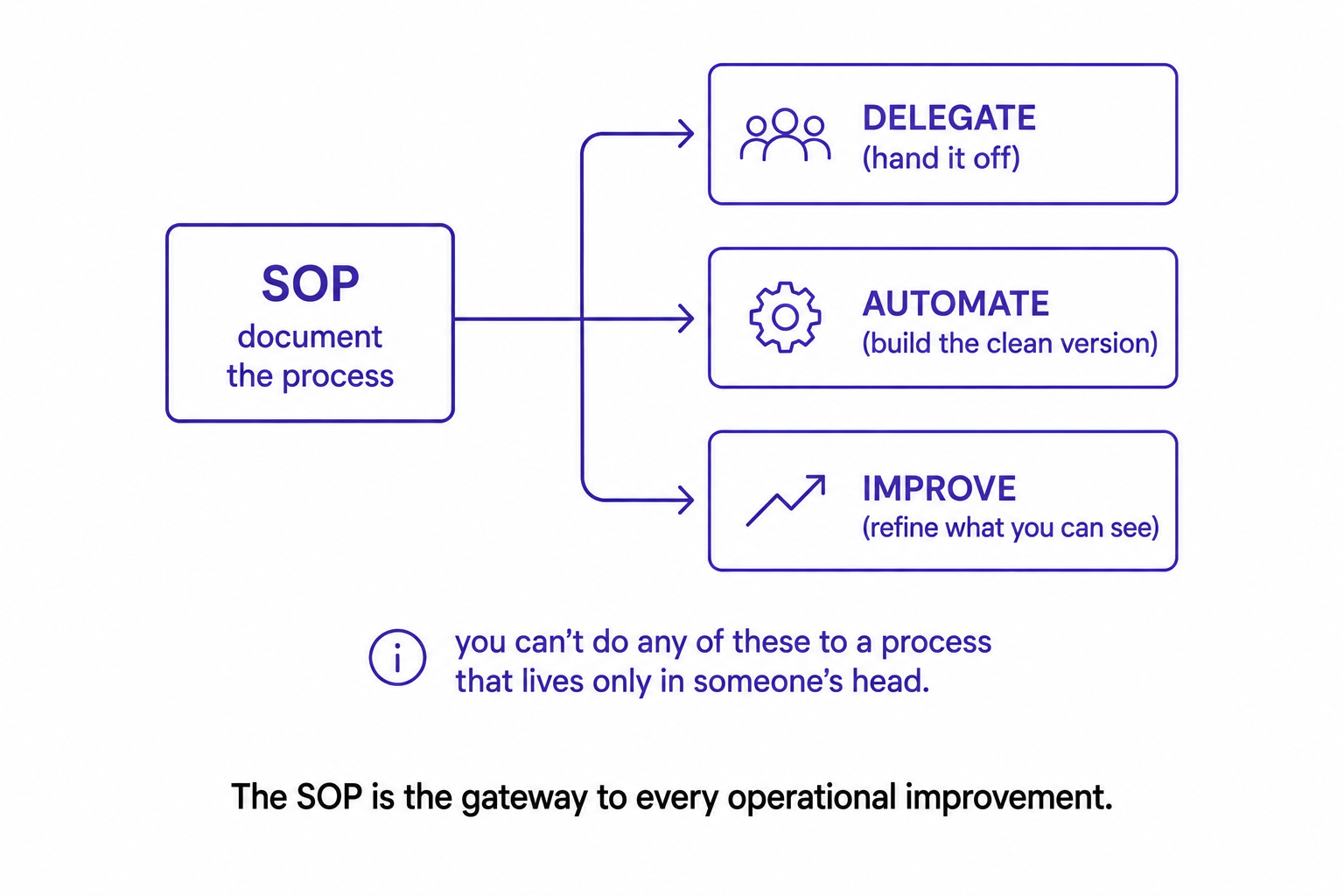
So documentation isn't a nice-to-have you get to before automating. It is step one of automating. And it's step one of delegating, and step one of improving. The same written-down process unlocks all three: document it, and now you can hand it off, automate it, or make it better. Leave it in someone's head and you can do none of those, you can only keep doing it the way it's always been done, by the person who's always done it. The SOP is the gateway to every operational improvement there is.
What a good SOP looks like
A useful SOP isn't a novel, and it isn't a vague bullet list. It's clear enough that a competent person could do the task from it. In practice that means:
- The steps, in order, concretely enough to follow.
- The systems and access needed, so the reader isn't stuck halfway.
- The decision points, and how to handle each, where the process forks.
- The failure modes and exceptions, what to do when it goes wrong, which is the part people skip and the part that matters most, because the happy path rarely breaks; it's the exceptions that do.
- Who owns it, so there's a name attached to keeping it right, which ties to the who-owns-what question.
The exceptions deserve emphasis. An SOP that documents only the happy path is an SOP that abandons the reader at exactly the moment they actually needed it, when something didn't go as planned.
The "we don't have time" trap, and keeping SOPs alive
Skipping documentation feels like saving time, and in the moment it does. But the time is borrowed at high interest, and the bill arrives when the person leaves, the process breaks at volume, the new hire flounders for weeks, or you sit down to automate and discover you don't actually understand the process well enough to do it. Writing it down once saves the cost many times over. The "we don't have time to write it down" operation is the one that will spend far more time, later, dealing with the consequences of not having.
One caveat so the backbone doesn't rot: SOPs written once and never updated decay, the process changes, the document doesn't, people notice it's wrong, and they stop trusting any of the documentation. So SOPs have to be living documents: current, owned, and improved as the process improves. A maintained SOP is infrastructure. An abandoned one is archaeology, and worse than nothing, because it actively misleads.
What this comes down to
The standard operating procedure is the boring backbone a scaling operation stands on. It turns fragile knowledge-in-heads into consistent, trainable, delegable, improvable process, and it's the thing you must have before you can automate, hand off, or improve anything at all. "We don't have time to write it down" is the sentence that quietly caps how big and how calm your operation can ever get.
The unglamorous work of documentation is what makes the glamorous work, the automation, the growth, the new channels, actually possible. Skip it and you're building on sand. Do it, keep it current, and you've laid the one foundation every other operational improvement needs. Write it down.
A few common questions
Why are SOPs so important for scaling? Because scaling means turning the informal, person-dependent ways of working into systematic ones, and the SOP is the most basic form of that. It turns knowledge trapped in one head into something the whole team can do reliably and repeatedly, without that person. As an operation grows, knowledge-in-heads becomes a liability, the business is hostage to whoever holds it, and SOPs are how you make quality and consistency independent of who's working that day. They're the boring backbone the exciting work stands on.
What does a good SOP actually contain? The steps in order (concretely enough to follow), the systems and access needed, the decision points and how to handle each, the failure modes and exceptions (what to do when it goes wrong), and who owns it. The exceptions matter most and are the part people skip, because the happy path rarely breaks, the exceptions do, and an SOP that only documents the happy path abandons the reader exactly when they needed it. A good SOP is clear enough that a competent person could do the task from it, not a novel and not a vague list.
Why can't I automate a process before documenting it? Because automating an undocumented process means encoding your assumptions about it rather than the process itself, you miss the exceptions the human handled silently and build something that breaks the first time reality doesn't match the assumption. Documentation isn't a nice-to-have before automation, it's step one of it, and step one of delegating and improving too. The same written-down process unlocks all three; leave it in someone's head and you can do none of them. The SOP is the gateway to every operational improvement.
Isn't writing SOPs a waste of time we don't have? It feels like saving time to skip it, but the time is borrowed at high interest. The bill arrives when the person leaves, the process breaks at volume, a new hire flounders for weeks, or you try to automate and find you don't understand the process well enough. Writing it down once saves the cost many times over. One caveat: SOPs must be living documents, current and owned, because one written and never updated decays until people stop trusting the documentation, which is worse than none.
You should also read:
Peak Season Readiness: The Prep That Decides Your Biggest Quarter
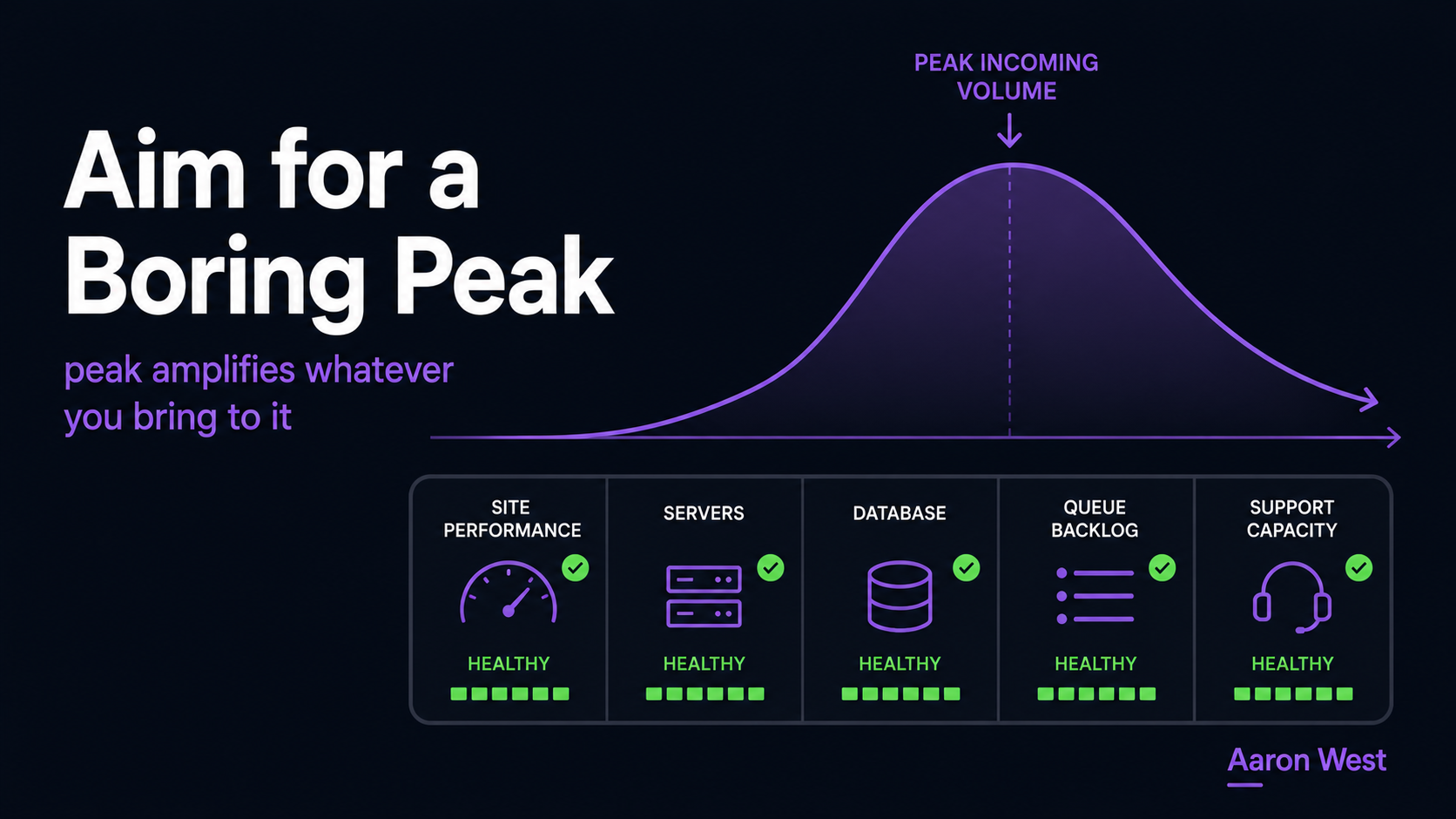
Peak season isn't won during peak; it's won in the weeks of preparation before it. Black Friday, the holidays, whatever your spike is, peak is when every weakness in your operation gets amplified by volume at the worst possible moment, and you can't repair foundations…
Continue reading...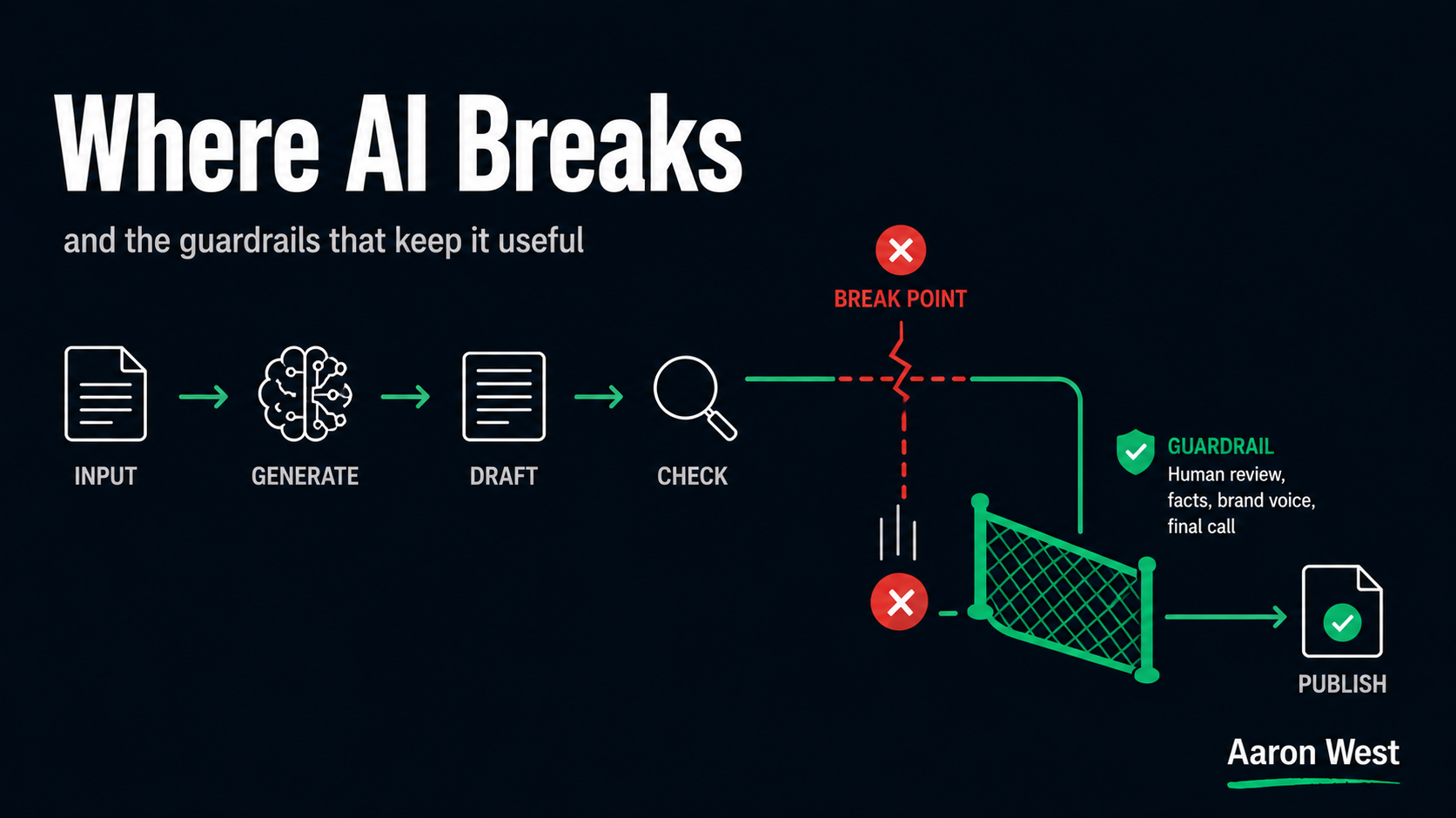
Where AI Breaks in E-Commerce Ops (and the Guardrails That Keep It Useful)
AI does not fail randomly in e-commerce operations. It fails in a handful of specific, predictable ways, and once you know them, you can build the guardrails that let you use AI confidently instead of nervously. The failures are not exotic. They are the same…
Continue reading...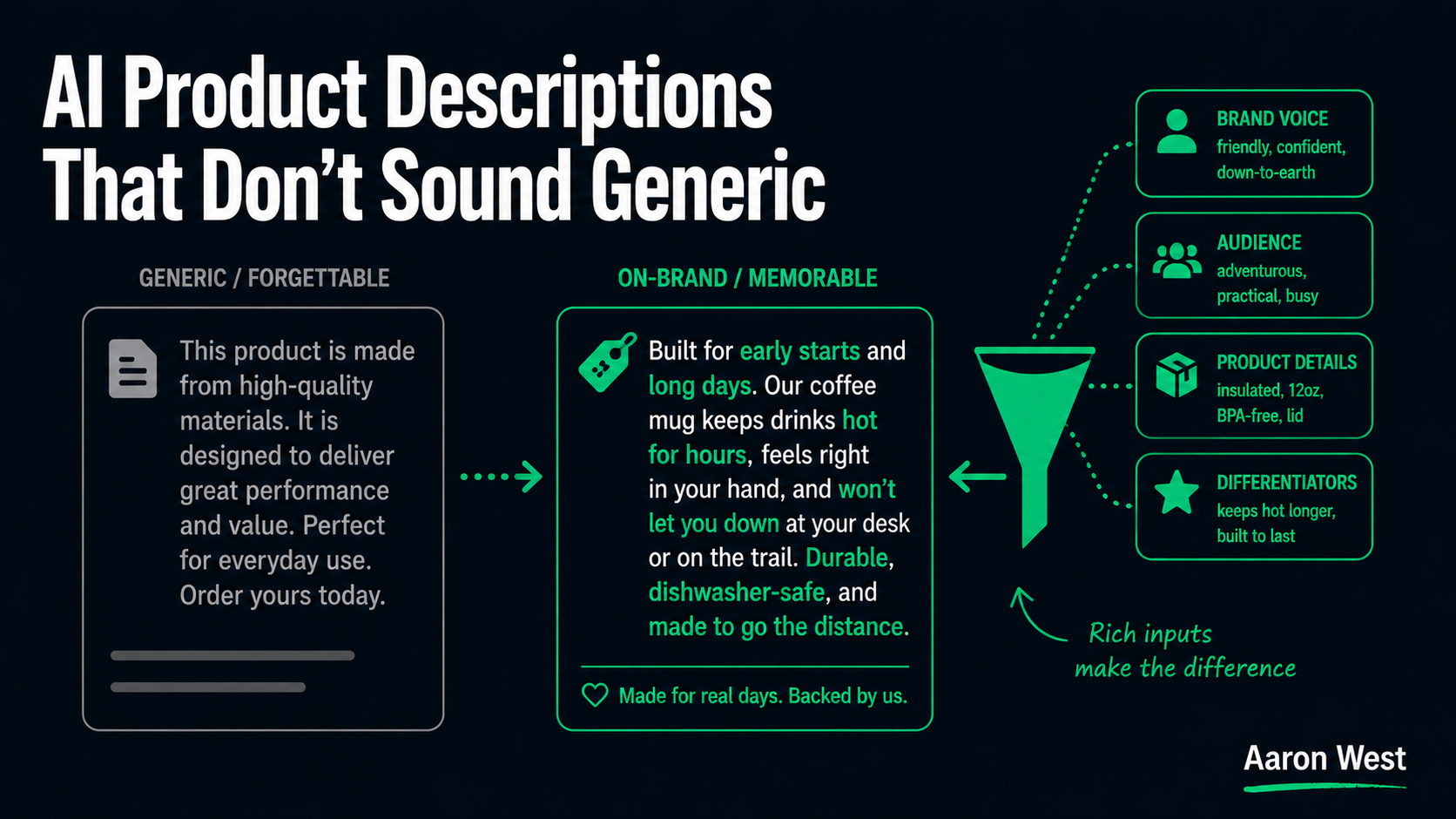
AI for Product Descriptions That Don't Sound Generic
The most common complaint about AI-written product descriptions is that they all sound the same, bland, interchangeable, like they could describe any product from any store. The complaint is fair, and here is the part nobody selling AI tools wants to say plainly: when AI…
Continue reading...