Scaling an E-Commerce Operation Without Scaling the Chaos

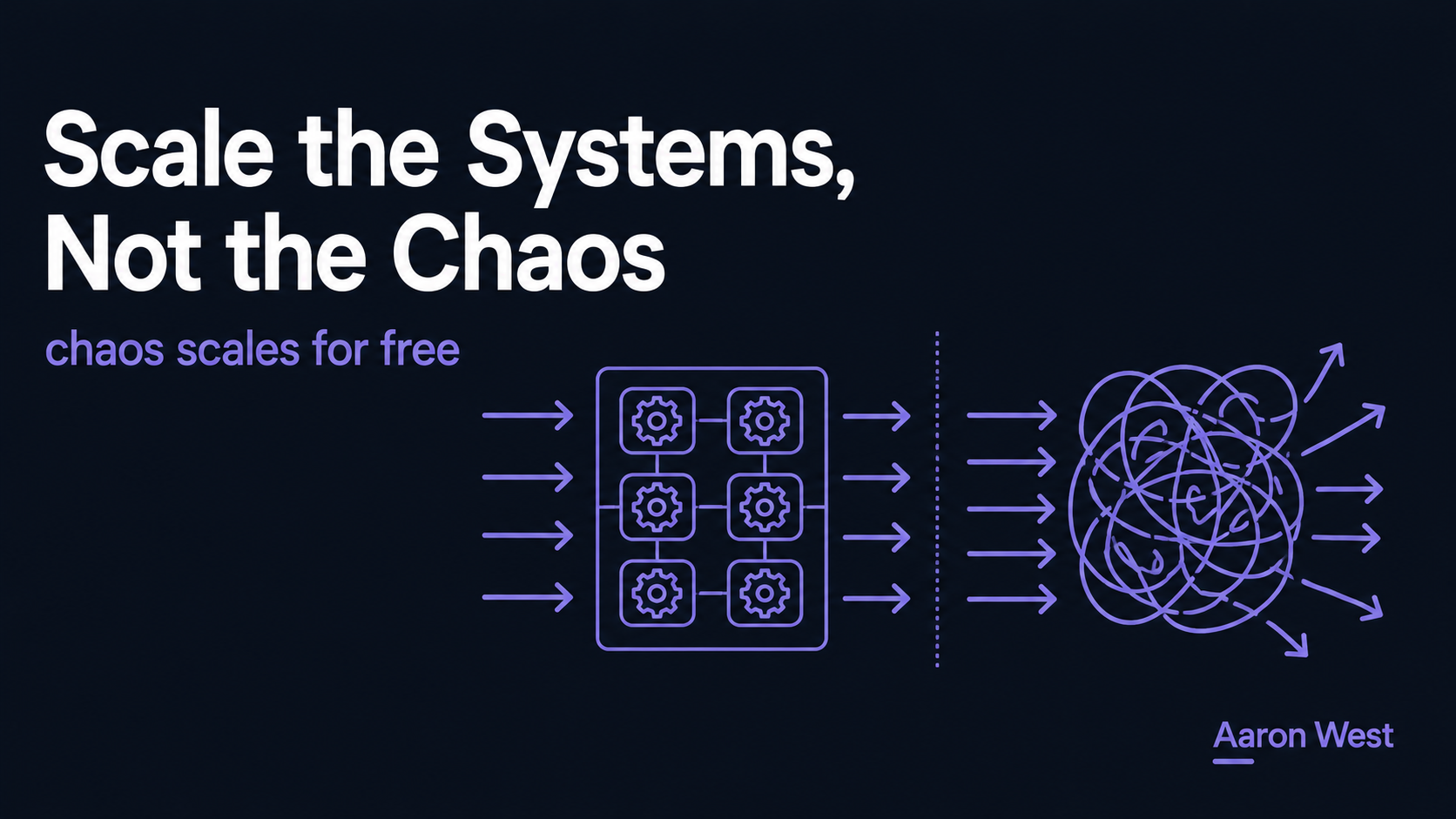
Table of Contents
Most e-commerce operations scale their chaos faster than their revenue. Every new order, SKU, channel, and hire multiplies the manual work and the points of failure, until the business is bigger but more fragile. Scaling well isn't doing more of the same with more people; it's replacing the informal, person-dependent ways of working that held things together when you were small with systems that hold up under volume, ideally before the volume arrives, not after the chaos forces the issue.
This opens the Operations, Scaling & Seasonality pillar, and it's the cornerstone the cluster links up to: the boring backbone of processes and SOPs and the e-commerce team and who owns what.
The thing nobody warns you about growth
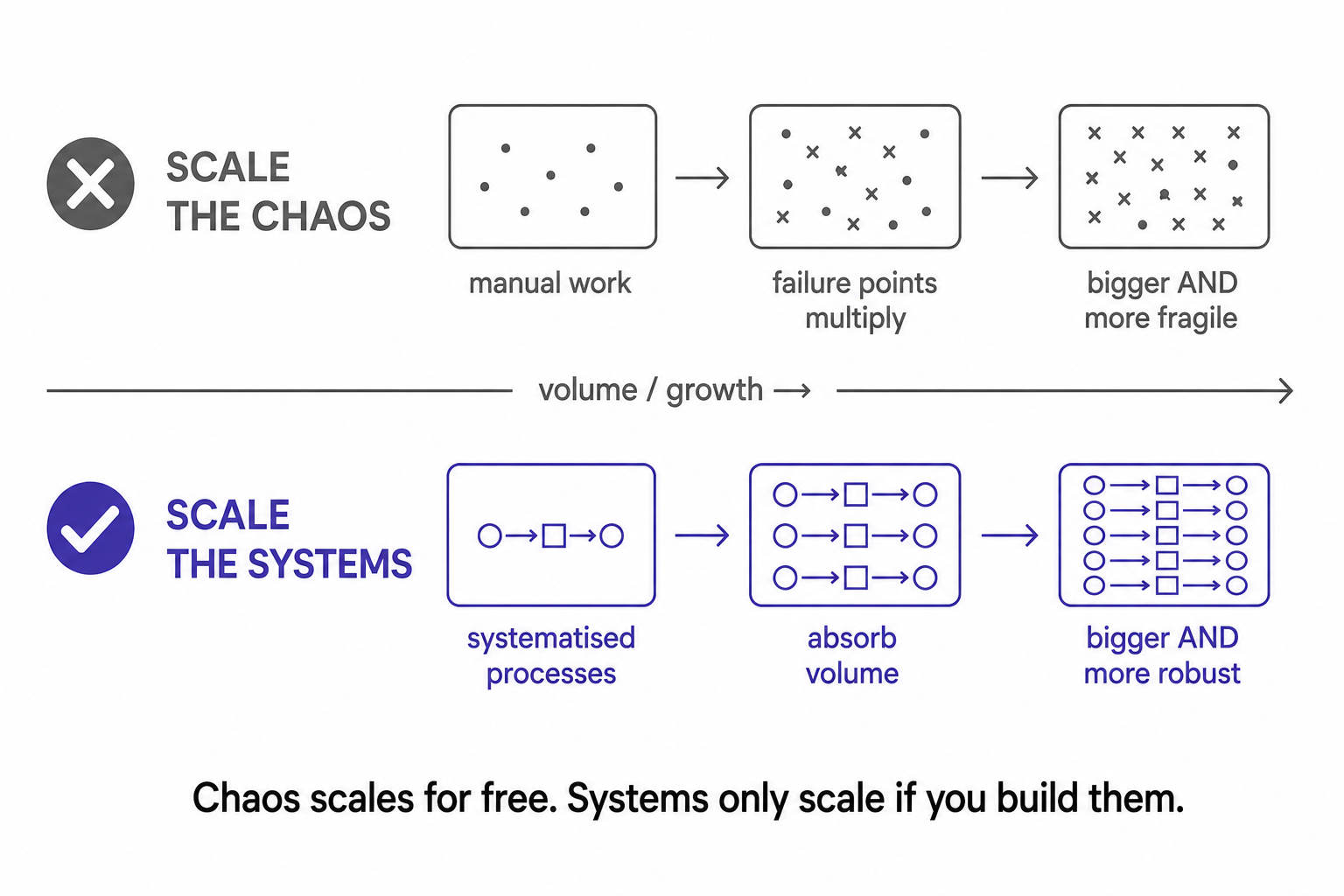
Growth is supposed to be the goal, so here's the uncomfortable thing nobody tells you: unmanaged growth makes the operation worse, not better. More orders, more SKUs, more sales channels, more people, each one multiplies the manual work and the number of places things can go wrong. The business gets bigger and more fragile at the same time, and the fragility shows up at the worst possible moment, your busiest day, your biggest season, when the volume is highest and the stakes are too.
That's the trap: chaos scales for free. You don't have to do anything for the complexity to multiply, it comes with the growth automatically. The systems that absorb the complexity, those you have to build deliberately. Most teams scale the first and forget the second, and end up just getting bigger rather than actually scaling.
Why small operations work, and why that breaks
When you're small, coordination is informal, and it works beautifully. Everyone knows roughly everything. The founder or the lead catches problems by noticing them, because there's little enough going on to notice. Knowledge lives comfortably in people's heads. Exceptions get handled on the fly by whoever's closest. None of it is written down, and none of it needs to be, because the whole operation fits in a few people's working memory.
That informal coordination is real infrastructure, it's just invisible, and it's load-bearing. And it is exactly the thing that does not survive scale. The reason scaling feels like hitting a wall isn't that you ran out of effort; it's that the invisible infrastructure quietly stopped working and you couldn't see it go.
What actually breaks when you scale
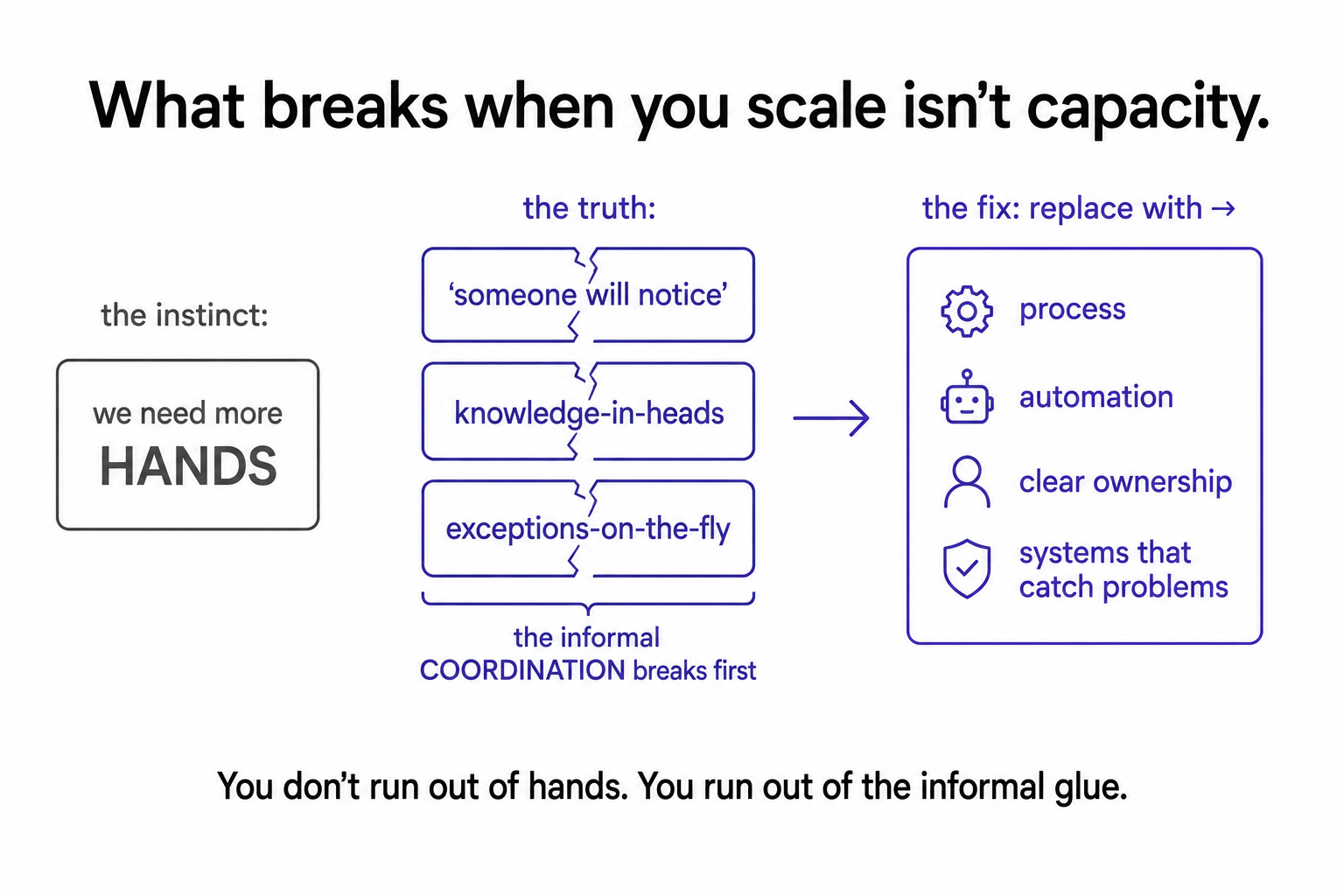
Here's the key insight, because it's where most teams misdiagnose the problem. When things start breaking under growth, the instinct is "we need more capacity, more hands." But capacity is rarely what breaks first. What breaks first is the informal coordination:
- "Someone will notice" stops working when there are too many things happening for anyone to notice them all.
- Knowledge-in-heads fails when there are too many people and too much going on for it all to live in memory.
- Handling exceptions on the fly collapses when the exceptions arrive faster than anyone can improvise.
You don't run out of hands first. You run out of the informal glue that was silently holding the operation together. Which means throwing more people at a scaling problem often makes it worse, more people in the same fog, more coordination overhead, and still no system. The problem was never headcount.
Scaling is turning the informal into the systematic
So if the thing that breaks is the informal coordination, scaling well is the work of converting the informal into the systematic, before the informal gives out. Concretely, that means:
- Documented processes instead of knowledge-in-heads, the SOPs that let the operation run the same regardless of who's working.
- Automation of the repetitive, taking the transfer work off people so the volume doesn't translate into proportionally more manual hours.
- Clear ownership instead of "someone will handle it," the who-owns-what that closes the gaps things fall through.
- Systems that catch problems instead of relying on a person to notice, so a failure announces itself rather than compounding silently.
Do that ahead of the growth and you scale smoothly. Do it after the chaos forces you to, and you scale painfully, building the systems while drowning in the volume they were supposed to handle.
Build the systems before the volume
The timing is the hard part, and it's where discipline beats instinct. The mistake is waiting until the operation is visibly breaking to systematise, because by then you're firefighting, and building calm systems while everything's on fire is brutal and error-prone. The discipline is to build the systems slightly before you need them, while the current informal way still works but you can see the volume coming.
That feels premature, which is exactly why people skip it. Documenting a process that one person can still hold in their head feels like overkill, right up until that person is overwhelmed, on holiday, or gone. Scale the systems a step ahead of the revenue, and the revenue lands on something built to carry it. Let the revenue arrive first and it lands on an operation built for a smaller, simpler company.
The automation connection
Automation is a big part of scaling, but with one critical discipline carried straight from the automation cornerstone: document and understand the process first, automate the transfer work, keep judgment human, and build the error notification so failures surface. Because here's the trap, scaling badly often means automating the chaos. You take a messy, undocumented process and automate it, and now you have faster chaos, the same mess running at higher volume with the failures buried inside an automation nobody's watching.
Scaling well is the opposite order: systematise the process first, get it clean and documented, then automate the clean version. Automation amplifies whatever you point it at. Point it at a good process and it scales the good process. Point it at chaos and it scales the chaos.
The fragility test
Here's a simple test for whether you're scaling or just getting bigger: when your volume doubles, does the operation get calmer or more frantic? If doubling the orders means doubling the panic, the late nights, the things slipping, then you've scaled capacity (you handled the volume) without scaling the systems (people absorbed it, not systems). A well-scaled operation gets calmer as it grows, because the systems absorb the volume the people used to. A badly-scaled one gets more frantic, because every increment of growth lands on the same people doing the same manual work faster.
The goal isn't an operation that can survive growth through heroics. It's one where growth makes it more robust, more systems, more resilience, more calm, rather than less.
What this comes down to
Scaling an e-commerce operation isn't about doing more of the same with more people; it's about replacing the informal coordination that worked when you were small with systems that hold up when you're not. The chaos scales for free, every new order and channel and hire multiplies it automatically. The systems only scale if you build them, ideally before the volume arrives and exposes the cracks at the worst possible moment.
Grow the revenue all you like. Just make sure the operation underneath it is getting calmer as it grows, not more frantic, because that, not the revenue line, is the real difference between scaling and just getting bigger. Scaling is an operations problem wearing a growth problem's clothes, and the teams that recognise that build the systems first and let the growth land softly.
A few common questions
Why does growth often make an e-commerce operation worse? Because chaos scales for free and systems don't. Every new order, SKU, channel, and hire automatically multiplies the manual work and the points of failure, so the business gets bigger and more fragile at the same time, and the fragility shows up at the worst moment, your busiest day or biggest season. The complexity comes with the growth whether you want it or not; the systems that absorb the complexity have to be built deliberately. Most teams scale the first and forget the second, and end up just getting bigger rather than actually scaling.
What actually breaks when an operation scales, capacity or something else? Usually not capacity. What breaks first is the informal coordination that worked when you were small: "someone will notice" stops working when there's too much to notice, knowledge-in-heads fails when there's too much to know, and handling exceptions on the fly collapses when they arrive faster than anyone can improvise. That's why throwing more people at a scaling problem often makes it worse, more people in the same fog. The fix is systems, process, and clear ownership, not just hands.
When should I build operational systems, before or after I need them? Before, ideally while the current informal way still works but you can see the volume coming. The mistake is waiting until the operation is visibly breaking, because by then you're firefighting and building calm systems while everything's on fire is brutal. Systematising a process one person can still hold in their head feels premature, which is exactly why people skip it, right up until that person is overwhelmed or gone. Scale the systems a step ahead of the revenue so the revenue lands on something built to carry it.
How does automation fit into scaling an operation? Carefully, and in the right order. Scaling badly often means automating the chaos, taking a messy, undocumented process and automating it, which just gives you faster chaos with the failures buried where nobody's watching. Scaling well means systematising and documenting the process first, then automating the clean version, because automation amplifies whatever you point it at. Point it at a good process and it scales the good process; point it at a mess and it scales the mess. Document first, automate second, and build the error notification so failures surface.
You should also read:
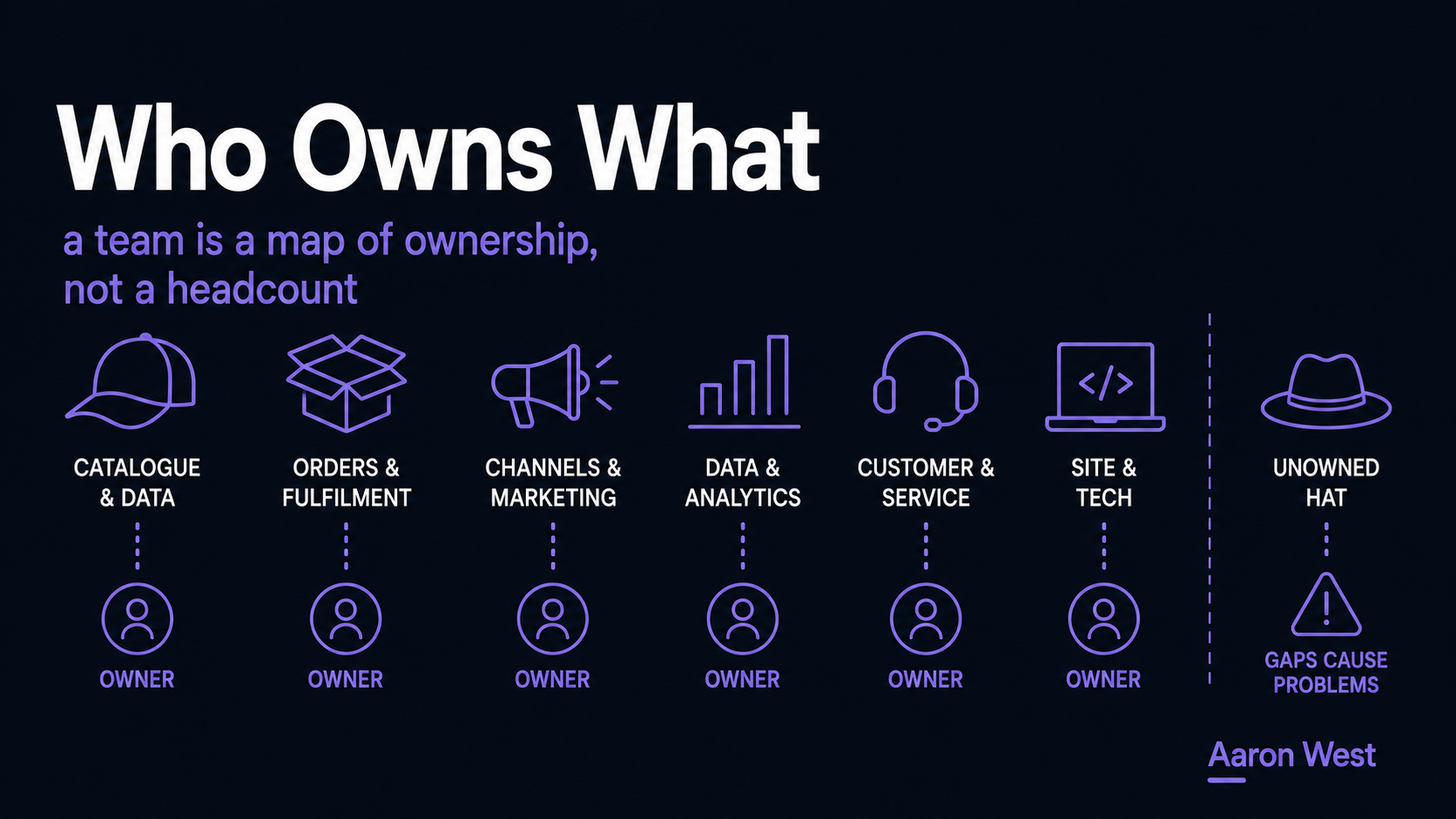
The E-Commerce Team: Who Actually Does What
As an e-commerce operation grows, the question stops being "do we have enough people" and becomes "does everyone know who owns what." The most common operational failure isn't too few hands; it's unclear ownership, where everyone assumes someone else is handling something and nobody actually…
Continue reading...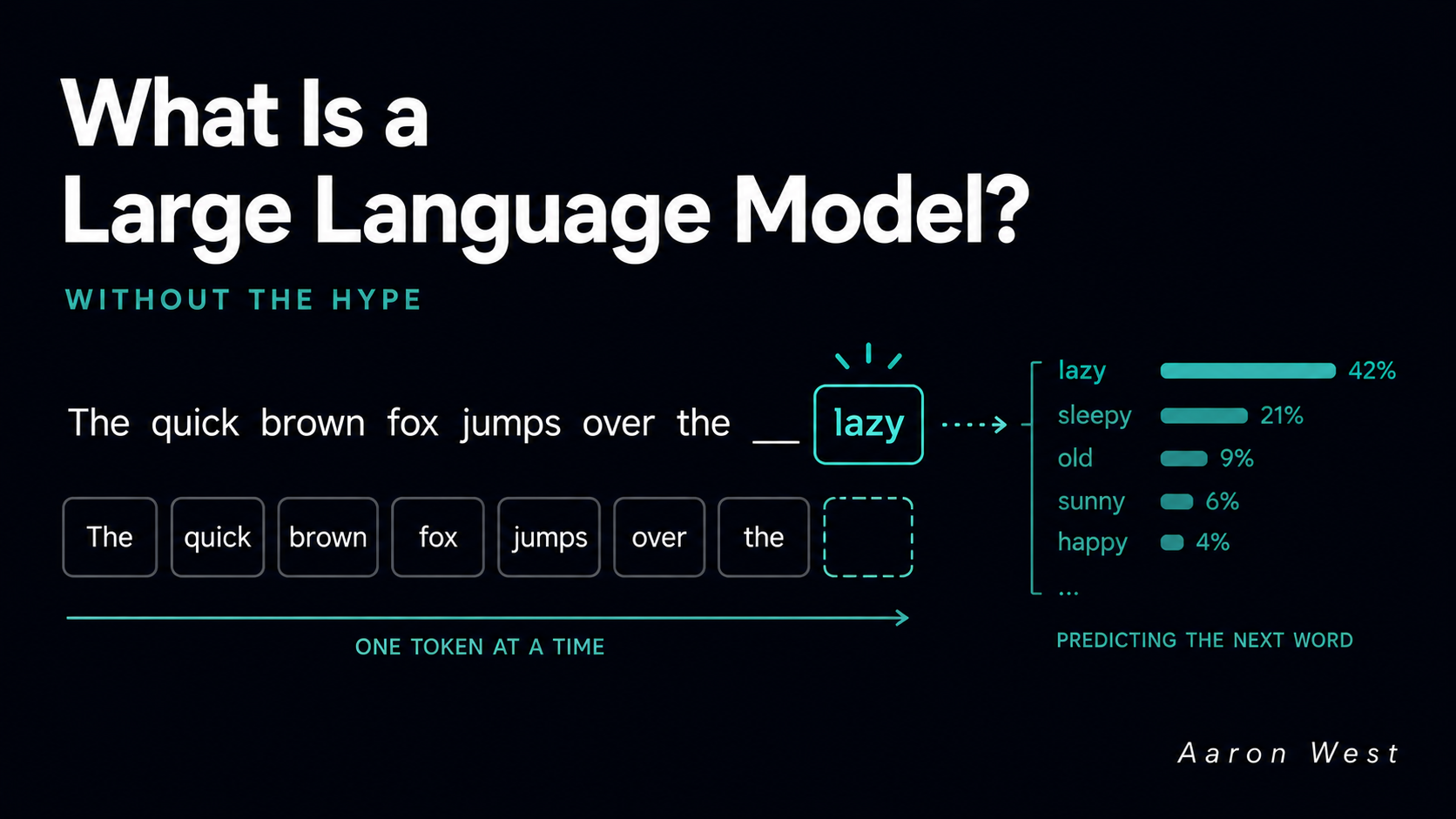
What Is a Large Language Model, Without the Hype
A large language model is a system that has been trained to do one deceptively simple thing: predict the next word. Show it a stretch of text, and it guesses what most likely comes next, then it guesses again, and again, one piece at a…
Continue reading...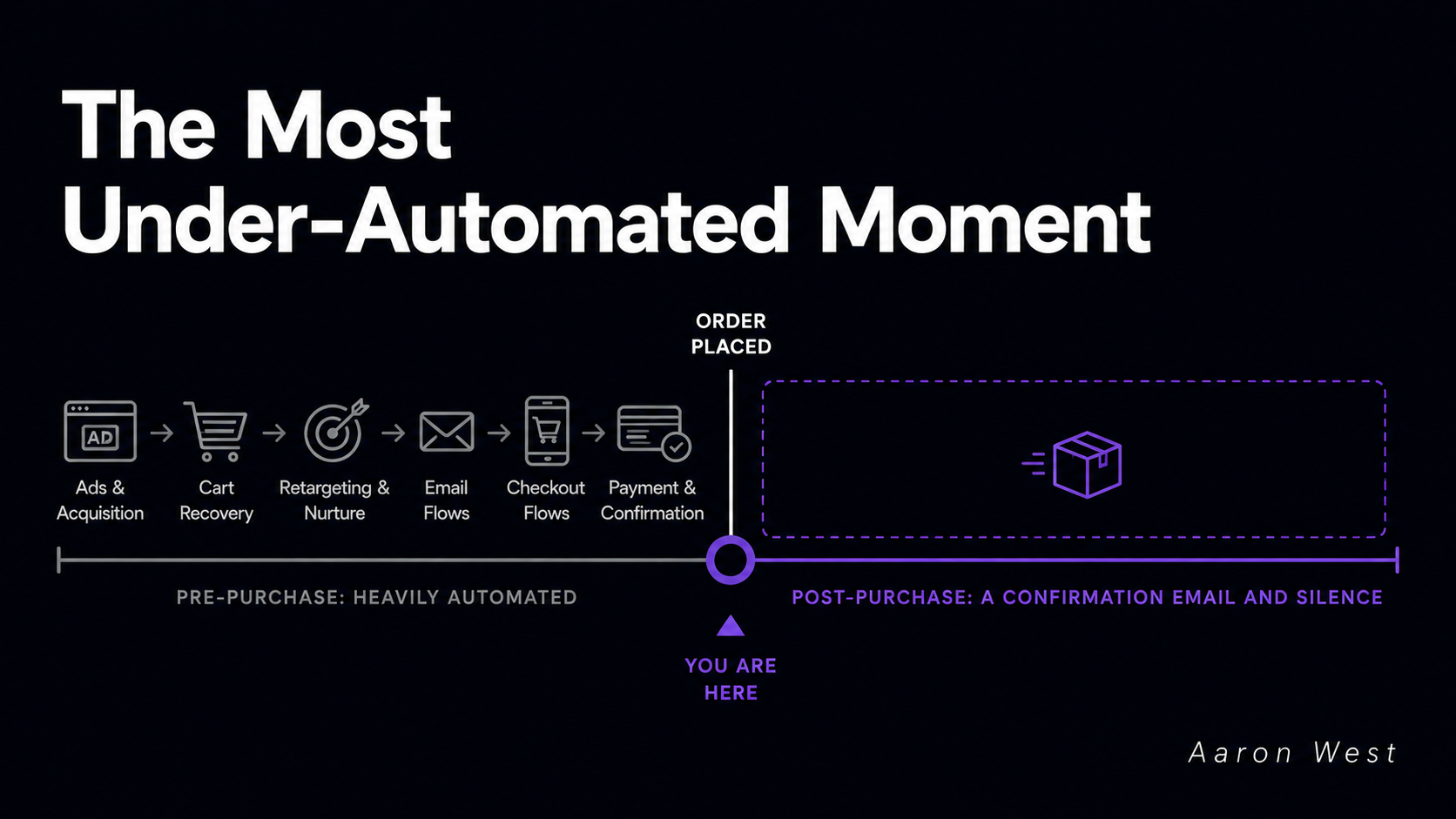
Post-Purchase Is the Most Under-Automated Moment in E-Commerce
Almost every store pours its automation budget into the moment before the sale and abandons the customer the moment after it. Cart recovery, retargeting, checkout nudges, all heavily automated. Then the order goes through, and the experience falls off a cliff into a generic "thanks…
Continue reading...