What Is Headless Commerce, and Why It's Oversold for Most Stores

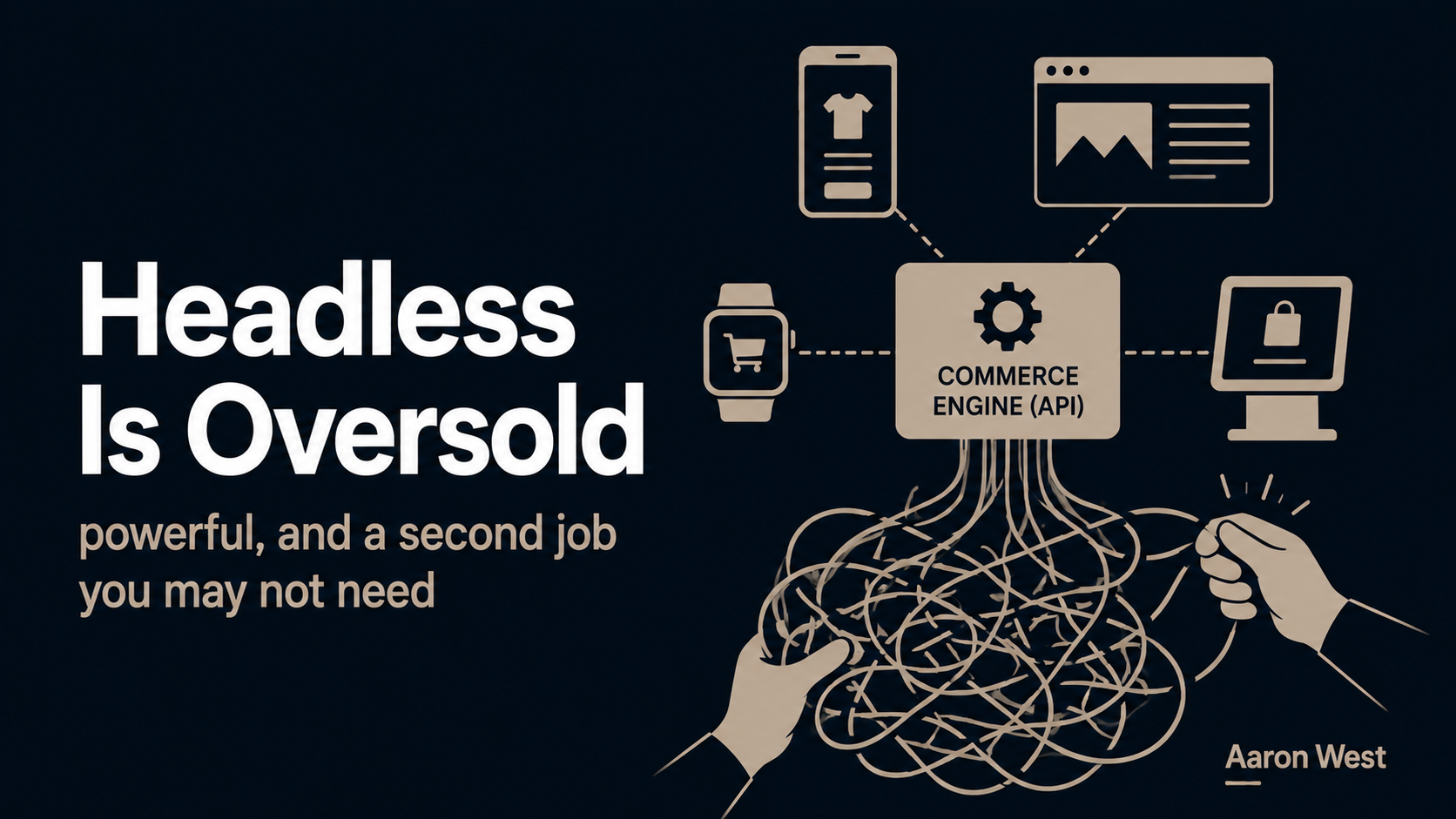
Table of Contents
Headless commerce means splitting your store's front end (what the customer sees) from its back end (the engine that handles products, carts, and orders), so the two talk through an API instead of being one bundled system. It buys real flexibility. And for most stores, it's an expensive answer to a question they don't actually have.
This is a reference piece in the E-Commerce Foundations cluster. Headless is one of those terms that sounds like the obvious modern choice, which is exactly why it's worth slowing down on.
What "headless" actually means
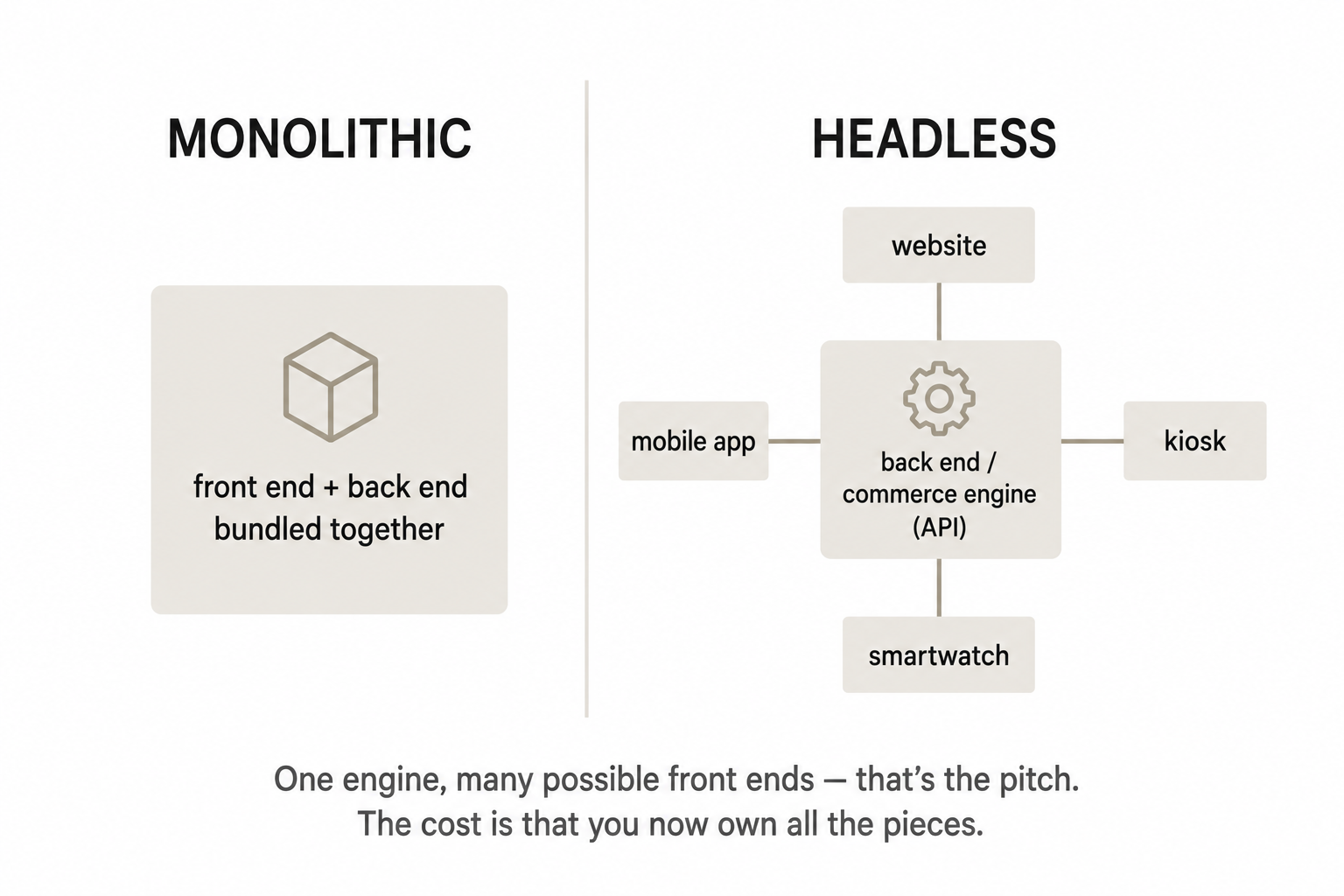
A traditional e-commerce platform is monolithic: the front end (the storefront the customer browses) and the back end (the commerce engine managing catalog, cart, checkout, and orders) are bundled together as one system. Change the look and you're wrestling with the engine; the two are joined at the hip.
Headless decouples them. The back end becomes a commerce engine that does nothing but serve data and handle transactions, exposed through an API. The front end is built completely separately and simply asks the back end for what it needs. They're two systems that talk, instead of one system that does everything. That separation is the entire concept, and everything good and bad about headless flows from it.
Why it's called "headless"
The "head" is the front-end presentation layer, the part the customer looks at. A "headless" back end is one with no fixed head attached, so you can attach whatever head you like, or several at once: a website, a mobile app, an in-store kiosk, a smartwatch, a voice assistant. One commerce engine, many possible front ends. That's the real pitch in one line: decouple the head, and you're free to build any head you want, or many.
What headless genuinely buys you
The benefits are real, for the businesses that need them:
- Front-end freedom. Your design and user experience aren't constrained by the platform's templates. You can build exactly the storefront you want, however unusual.
- Performance. A lean, purpose-built front end can be extremely fast, because it isn't carrying the weight of a general-purpose platform's rendering.
- Multi-channel reach. One back end can feed a website, a native app, a kiosk, and a marketplace integration from the same catalog and inventory.
These are genuine advantages. The question is never whether headless can do these things. It's whether you need them enough to pay for them.
Why it's oversold for most stores
Here's the part the people selling the complexity tend to skip: headless replaces one managed system with several pieces that you now own and have to integrate yourself.
On a good monolithic platform, the platform handles the front end, the security patches, the updates, and the wiring between front and back. With headless, that all becomes your responsibility. You need developers, not for a one-off build, but permanently, to maintain the front end, keep the integrations alive, and fix things when an API changes underneath you. You've traded a system that mostly looked after itself for a custom system that needs a team to keep breathing.
For a store doing perfectly well on a capable monolithic platform, that's taking on a demanding second job to solve a problem it never had. The complexity is the cost, and "it sounds more modern" is not a reason to pay it.
When it is worth it
Headless earns its complexity when you genuinely need what it offers. The honest test, do two or more of these clearly apply:
- You have a distinctive front-end vision a platform's templates genuinely cannot deliver.
- You run serious multi-channel, the same catalog living across web, native app, in-store, and marketplace, where one shared back end is a real operational win.
- You've hit performance limits at a scale where the monolithic platform is demonstrably the bottleneck.
- You have a real in-house development team (or a committed agency) to own it for the long haul.
If two or more are clearly true, headless is the right trade and the complexity pays for itself. If none are, it's complexity for its own sake, modern-sounding architecture solving an imaginary problem while creating several real ones.
The middle path most stores actually want
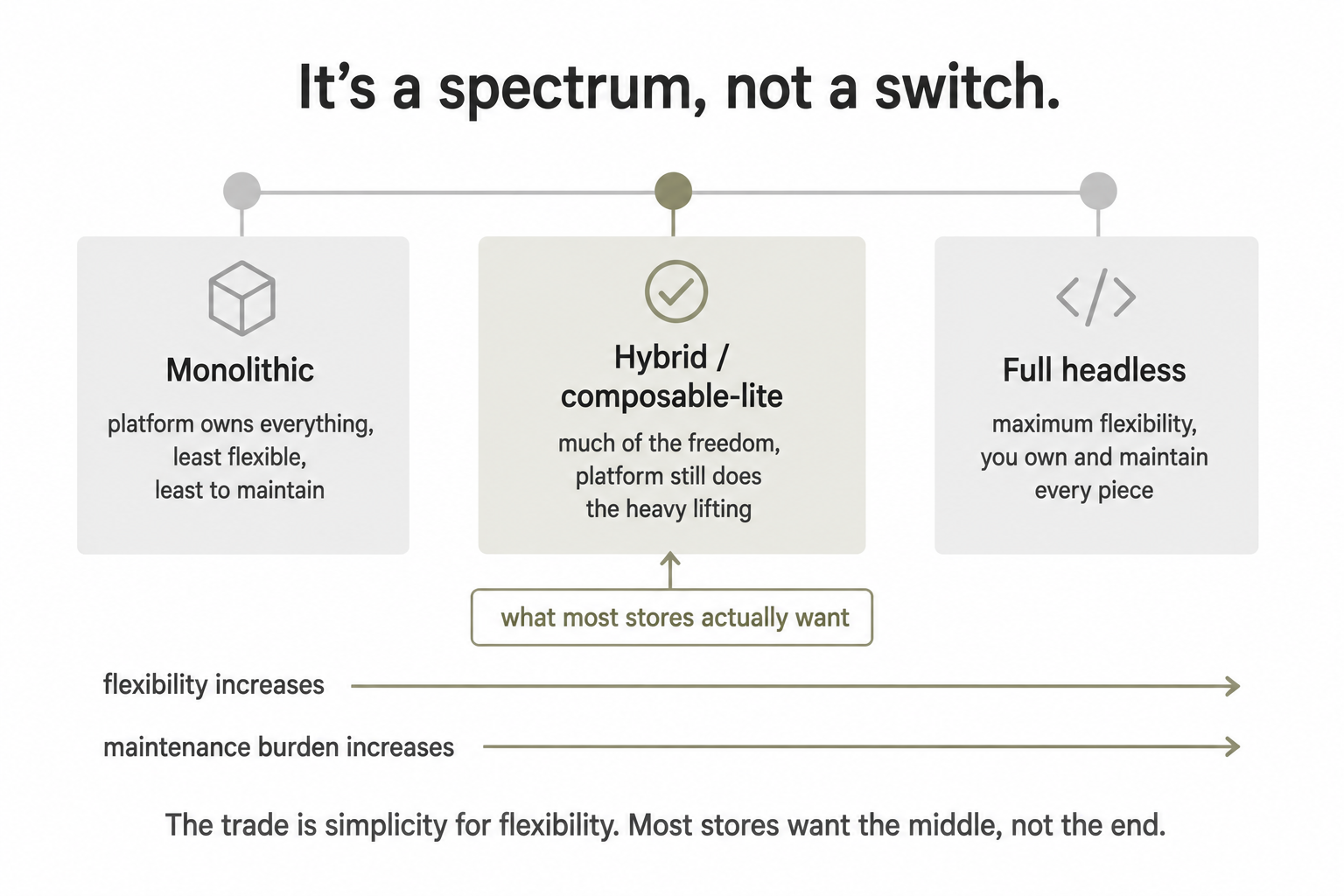
There's a third option the headless-versus-monolith framing hides. Modern platforms have absorbed a lot of headless flexibility, offering API access and customisable front ends without forcing you to own and integrate everything yourself. Often called hybrid or "composable-lite," it gives you much of the front-end freedom while the platform still handles the heavy lifting underneath.
Most stores that think they need headless actually want this. They want the design freedom and the speed, not the permanent maintenance burden, and the middle path delivers the first without the second.
What this comes down to
Headless commerce isn't good or bad. It's a trade: simplicity for flexibility. You give up a system that looks after itself and gain a system you can shape into anything, along with the obligation to look after it forever. That trade is excellent when you have a flexibility problem big enough to justify the simplicity you're giving up, and a poor deal when you don't.
Most stores don't, yet. So the right answer to "should we go headless?" is "not yet" far more often than the people selling it will ever tell you. Make the trade when the problem is real, not because the word sounds like the future.
A few common questions
What is headless commerce, simply? Splitting your store's front end (what customers see) from its back end (the engine handling products, carts, and orders) so the two communicate through an API instead of being one bundled system. A traditional "monolithic" platform joins them together; headless decouples them, leaving a back end that just serves data and handles transactions, and a separately built front end that asks it for what it needs. That separation is the whole concept.
Why is it called "headless"? The "head" is the front-end presentation layer, the part the customer looks at. A headless back end has no fixed head attached, so you can connect whatever front ends you want, a website, a mobile app, a kiosk, a smartwatch, all drawing from one commerce engine. The name describes the freedom: decouple the head and you can build any head, or several.
Is headless commerce worth it for my store? Usually only if two or more of these clearly apply: you need a distinctive front end that templates can't deliver, you run serious multi-channel from one catalog, you've hit real performance limits where the platform is the bottleneck, or you have a permanent development team to own it. Headless replaces one managed system with several pieces you must integrate and maintain yourself, so for a store doing fine on a capable platform it's an expensive answer to a problem it doesn't have.
Is there a middle option? Yes, and it's what most stores actually want. Modern platforms now offer a lot of headless flexibility, API access and customisable front ends, without forcing you to own and integrate everything yourself (often called hybrid or composable-lite). It gives you much of the design freedom and speed while the platform still handles updates, security, and the heavy lifting. Most teams who think they need full headless really want this.
You should also read:
What Omnichannel Actually Requires (and What It Doesn't)
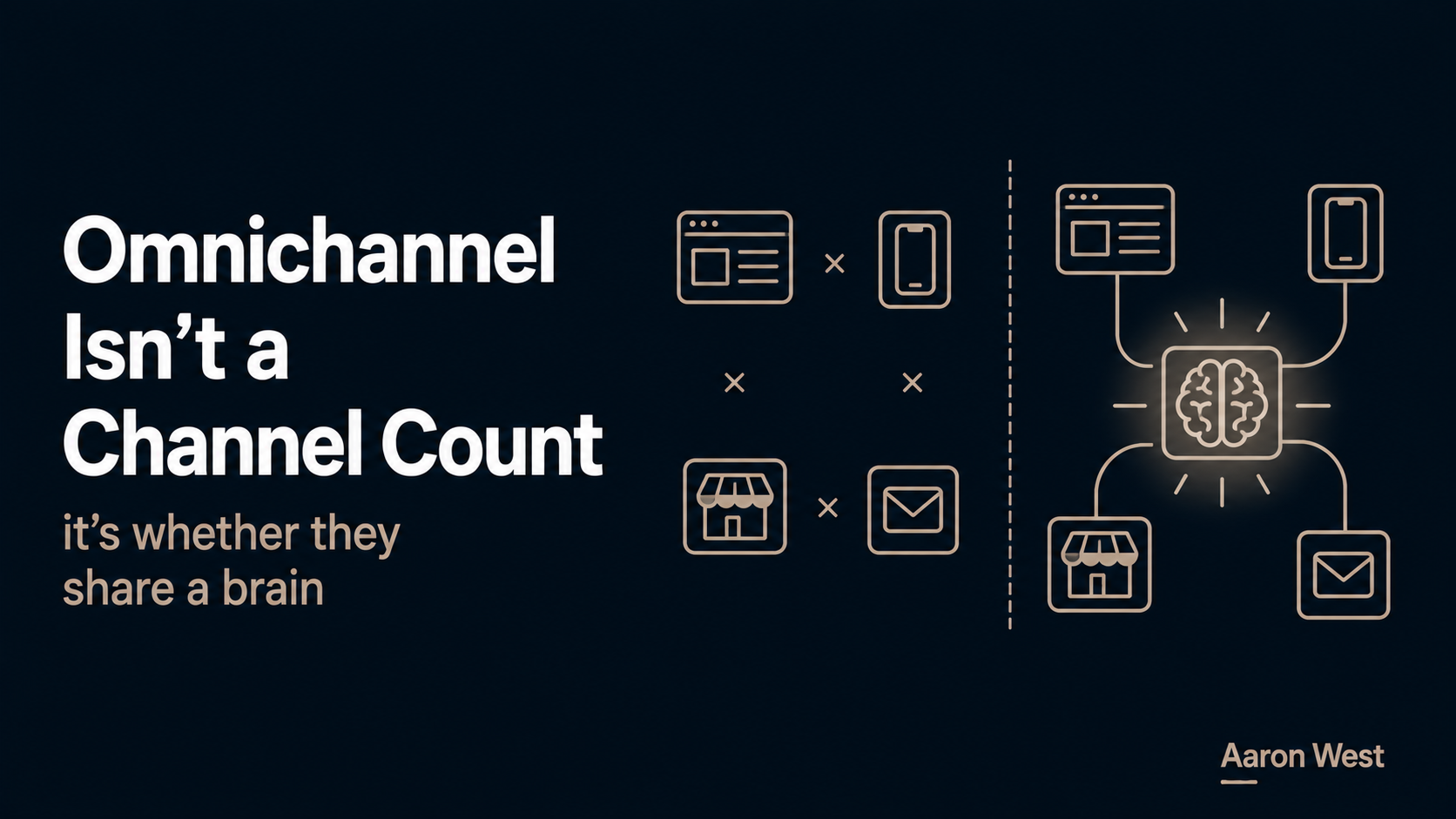
Omnichannel means a customer experiences your brand as one continuous relationship across every channel, website, app, store, email, support, rather than a set of disconnected silos that don't know about each other. It requires one shared view of the customer and the inventory underneath all…
Continue reading...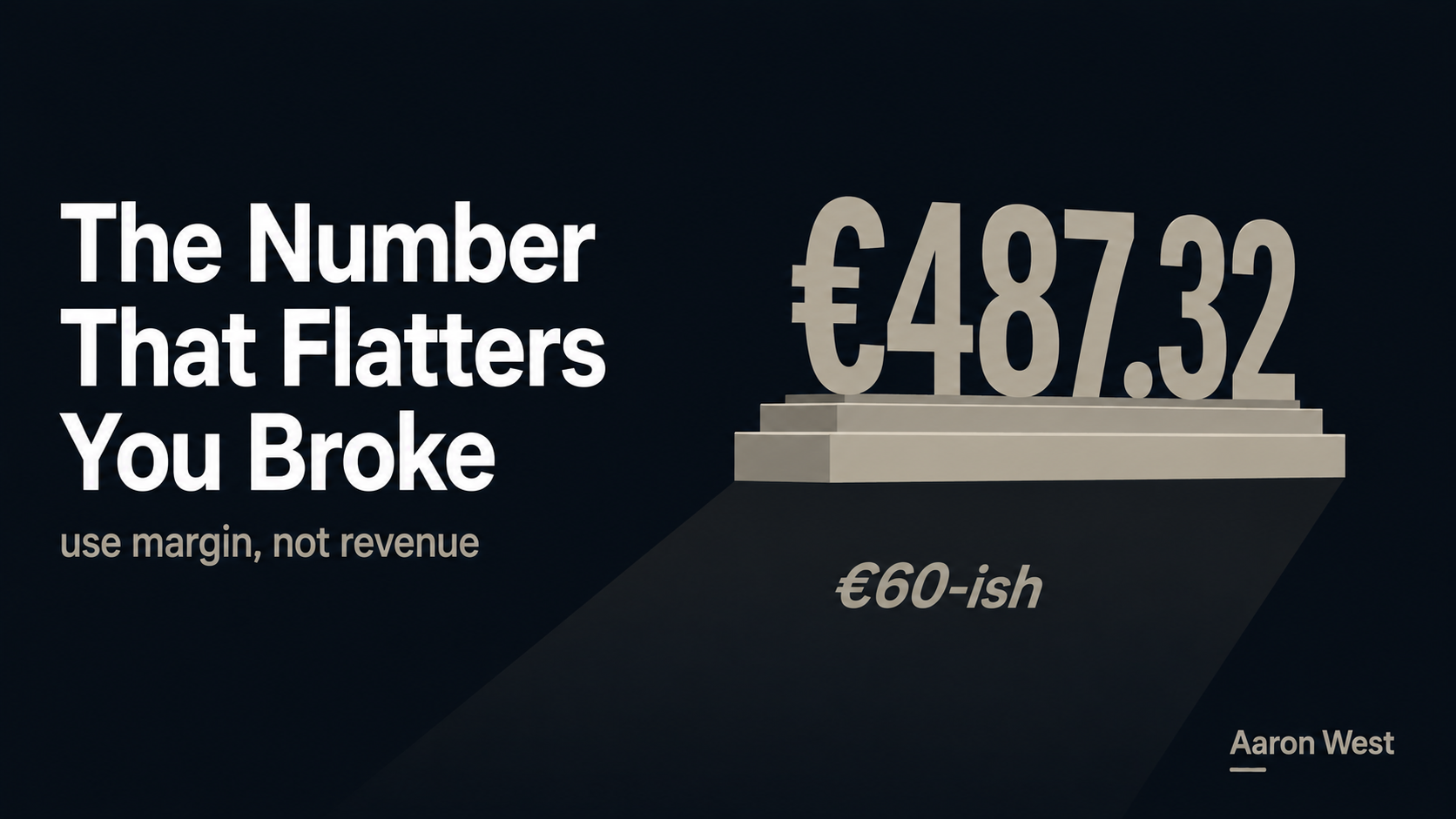
Customer Lifetime Value: The Number Most Teams Calculate Wrong
Customer lifetime value (CLV, or LTV) is the total profit a customer generates over the whole relationship, not the revenue from one order. Most teams get it wrong in the same three ways: they use revenue instead of margin, they ignore churn, and they treat…
Continue reading...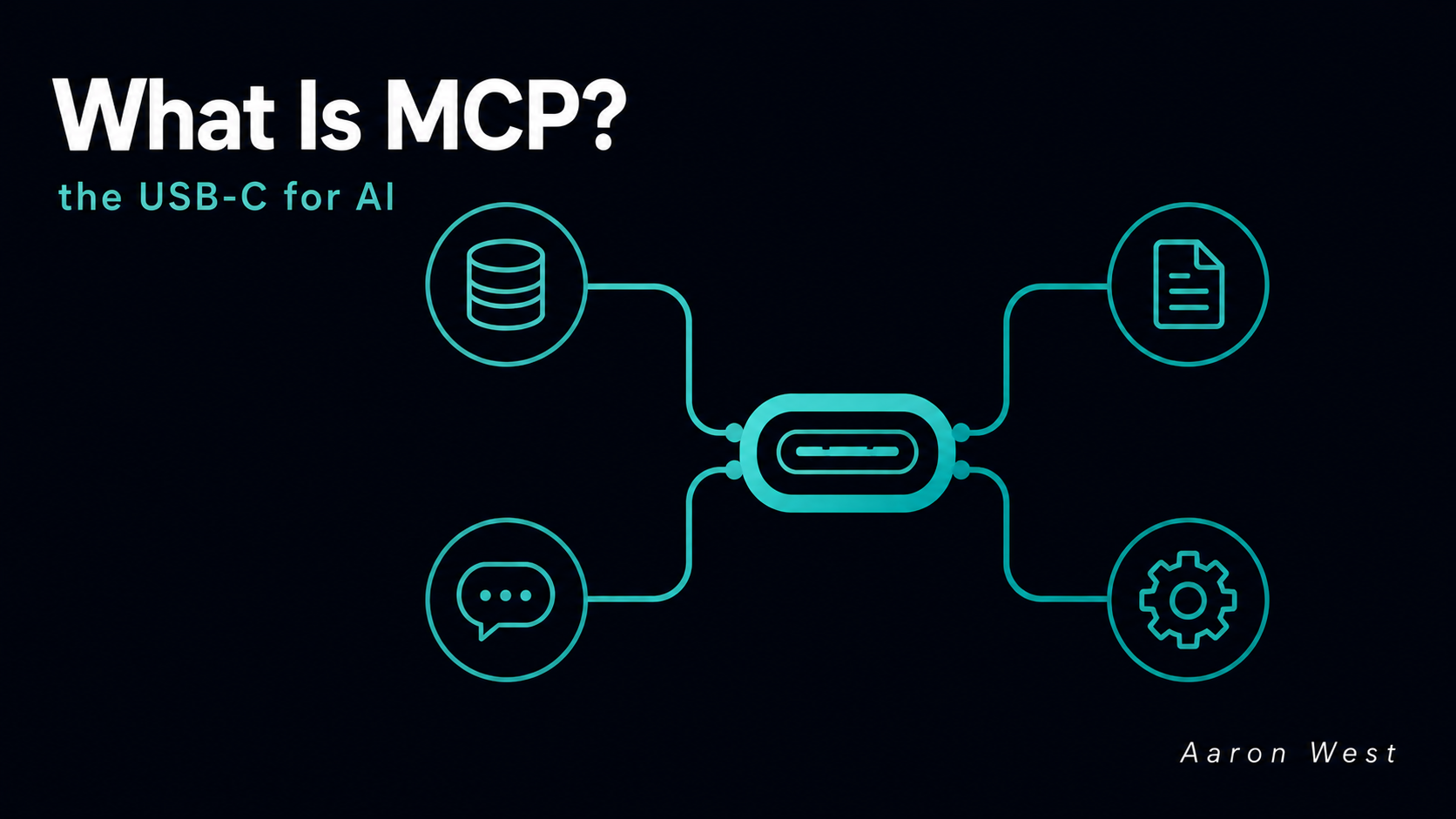
What Is MCP (Model Context Protocol), and Why It Matters
MCP, the Model Context Protocol, is an open standard that gives AI models a single, consistent way to connect to external tools and data. Instead of building a custom integration for every combination of AI model and service, you build one MCP connection and any…
Continue reading...