Cross-Border Logistics, Tax and Duties: The Unglamorous Half That Decides the Economics

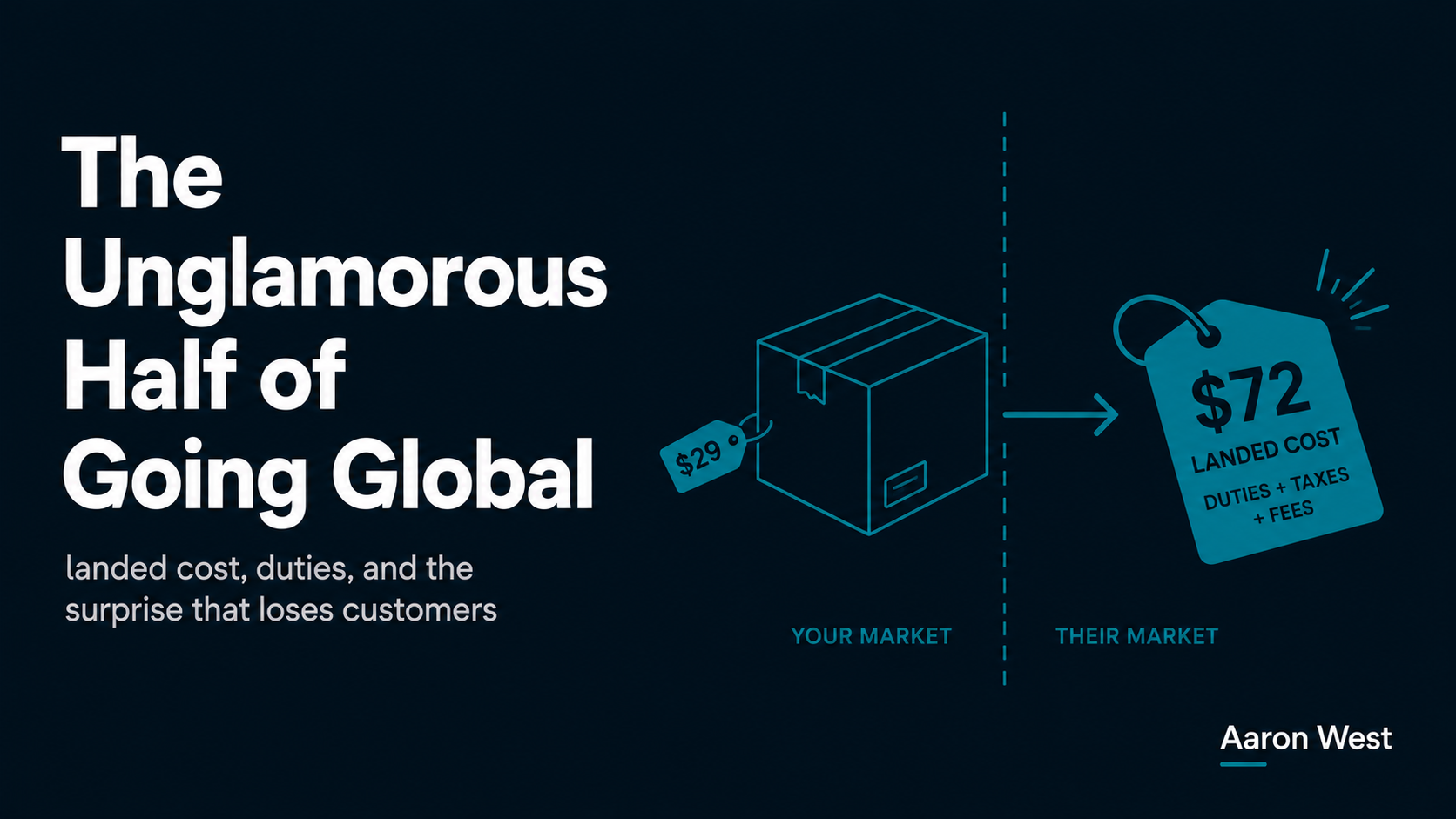
Table of Contents
Cross-border logistics, tax, and duties are the part of going international that turns a clean plan into a real operation, and the place where "we'll figure it out" quietly becomes "we lose money on every order." It's the least exciting dimension of expanding abroad and one of the two or three most decisive, because it determines both whether the maths works and whether the customer's parcel arrives without a nasty surprise attached.
This closes the six dimensions from the internationalisation cornerstone. It's deliberately the durable version: the concepts that stay true regardless of which markets you enter or how the specific rules change. The exact rates, thresholds, and obligations are a real legal and tax matter that varies by country and changes over time, so treat those as something to get qualified advice on per market. This isn't legal or tax advice. It's the map of what you're dealing with.
The number that actually matters: landed cost
At home, the cost of getting a product to a customer is mostly shipping, and it's simple enough to reason about. Across a border, that simplicity disappears, and the number you have to care about is the landed cost: the true, total cost of getting the product into the customer's hands in another country.
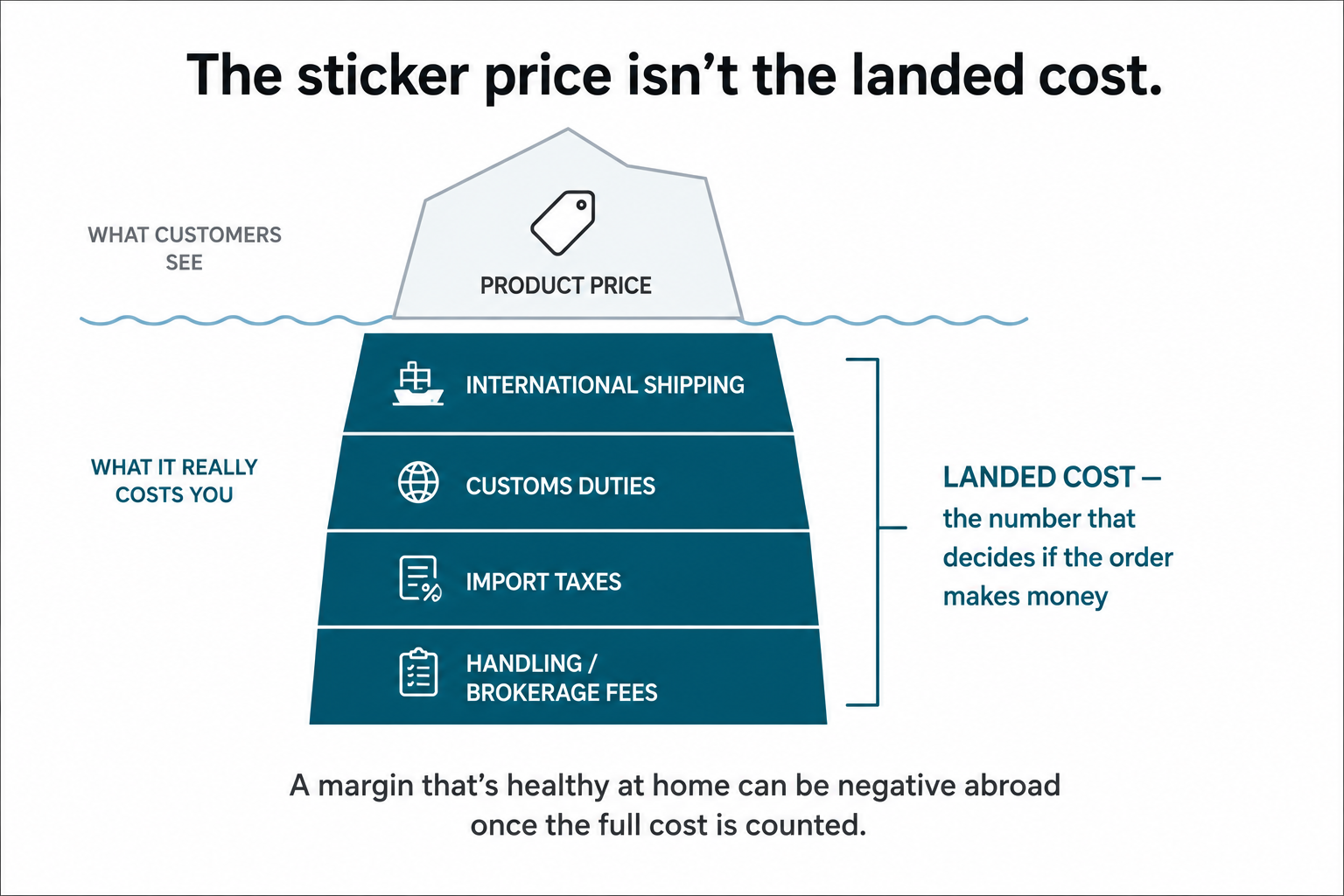
Landed cost stacks up several things your home maths never had to include: the product, international shipping, customs duties, import taxes, and the handling or brokerage fees that get added along the way. Each one is real money, and together they can change the economics of an order completely. A margin that's healthy at home can be negative abroad once the full landed cost is counted, and the cruel part is that it's easy not to notice until you've been shipping at a loss for a while.
So the first discipline of cross-border is to calculate landed cost honestly before you enter a market, not after. If the maths only works when you ignore duties and cross-border shipping, the maths doesn't work. Better to learn that from a spreadsheet than from a quarter of unprofitable orders.
Who pays at the border, and the surprise that loses the customer
Here's the concept that decides the customer experience, and it has a name worth knowing. When a parcel crosses a border, someone has to pay the duties and import taxes. There are two basic ways that happens.
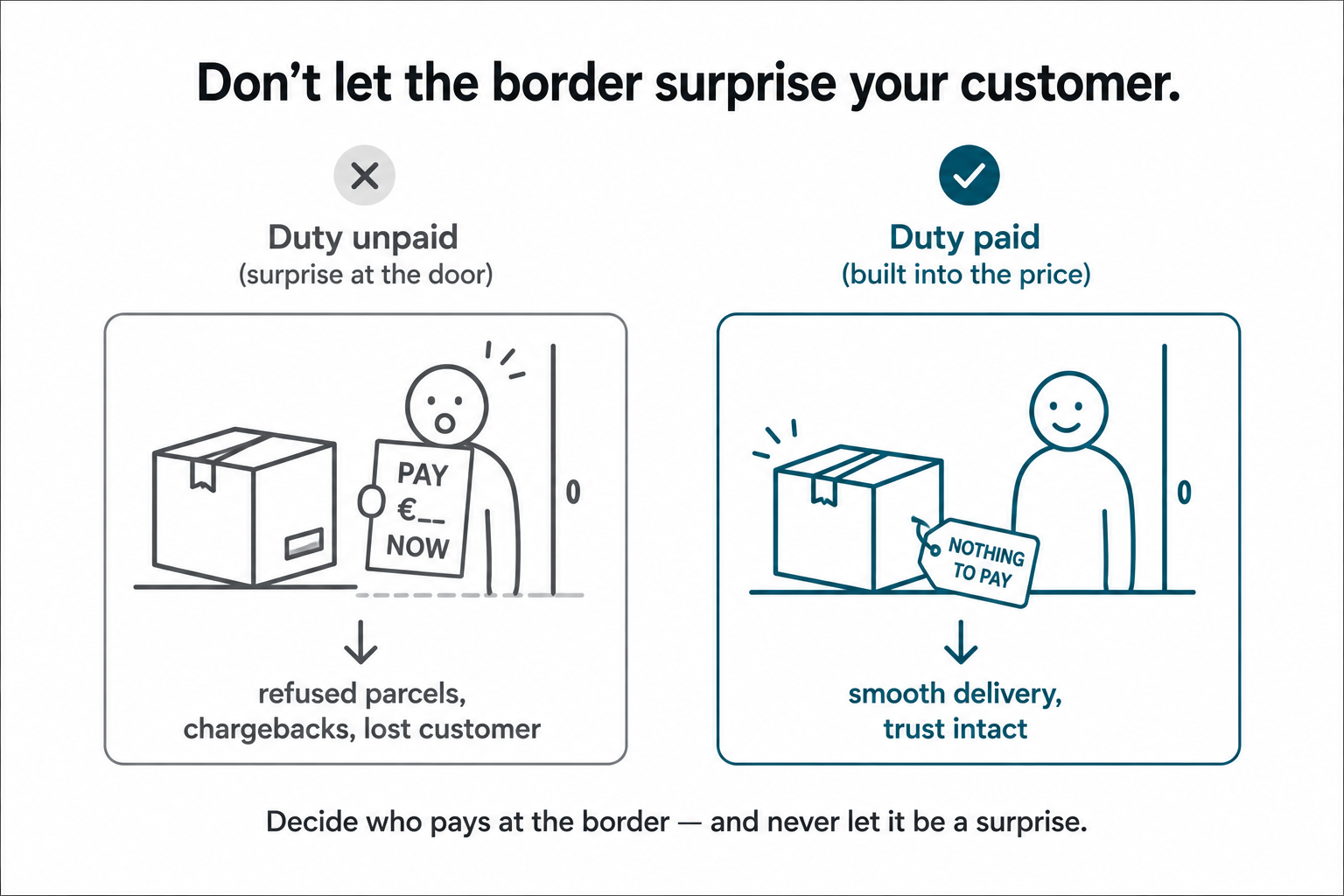
In the delivered-duty-paid approach, you handle the duties and taxes, build them into the price the customer sees, and the parcel arrives with nothing left to pay. The customer's experience is clean: they paid at checkout, and that was that.
In the delivered-duty-unpaid approach (sometimes "delivered at place"), the customer is responsible for the duties and taxes, which means the carrier collects them on delivery, often as a surprise bill at the door that's larger than the customer expected, on top of a delivery they thought they'd already paid for.
That surprise is one of the worst experiences in cross-border commerce. People refuse the parcel. They dispute the charge. They never buy again, and they tell others. From your dashboard it looks like a delivery problem; from the customer's side it looks like a store that tricked them on price. The durable lesson is simple: decide who pays the duties, and if it's the customer, make it impossible for them to be surprised. The clean approach, building the full landed cost into a transparent price, costs you margin you have to plan for, but it buys you the one thing cross-border most often destroys, which is trust at the doorstep.
Returns cross the border too, in reverse
The plan that forgets returns is the plan that hurts later. A cross-border return isn't just a return; it's a parcel travelling back across a customs boundary, which means it's slower, more expensive, and can run into its own duty and tax complications on the way home. The returns moment is already a make-or-break point for retention, and across a border it's also an operational and cost problem you have to design for, not bolt on afterwards.
This shapes real decisions: whether returns go all the way back to your home warehouse (simple to run, painful in cost and time) or to a local return address in-market (better experience, more to set up). There's no universally right answer, but there is a universally wrong one, which is not having thought about it until the first customer wants to send something back.
Ship from home, or fulfil locally?
Underneath all of this is a strategic choice that sets the tone for everything else: do you ship cross-border from your home base, or hold stock and fulfil inside the market?
Shipping from home is simple to start and keeps your inventory in one place, but every order pays full cross-border shipping, carries duty exposure, and arrives slower. Fulfilling locally, holding stock in or near the market, makes delivery faster and cheaper per order and sidesteps a lot of per-parcel border friction, but it's a real commitment of cash and setup.
That trade-off maps exactly onto the cornerstone's argument that it's better to be deep in a few markets than thin in many. Cross-border-from-home is how you test a market lightly. Local fulfilment is how you commit to one you've decided is worth it. The mistake is committing to local fulfilment before the market has earned it, or trying to serve a serious market forever on slow, costly home shipping because you never made the call.
What this dimension actually is
Logistics, tax, and duties are invisible to the customer right up until they go wrong, and then they're the only thing the customer sees: the surprise bill, the parcel stuck in customs, the return that costs more than the item. The teams that go international well treat this boring half as a first-class part of the market-entry decision, run the landed-cost maths before they commit, decide who pays at the border and make it transparent, and plan returns and fulfilment on purpose.
Plan the unglamorous half, or it eats the exciting half. A beautifully localised store that loses money on every shipment, or ambushes customers with a duty bill, hasn't entered a market. It's just found an expensive new way to disappoint people far away. And remember that the specifics here, the rates, the thresholds, the registrations, are a genuine legal and tax matter: get real advice for each market rather than guessing, because this is exactly the area where guessing is costly.
A few common questions
What is landed cost, and why does it matter for international selling? Landed cost is the true total cost of getting a product to a customer across a border: the product, international shipping, customs duties, import taxes, and handling or brokerage fees. It matters because a margin that's healthy at home can turn negative abroad once all of it is counted. Calculate landed cost honestly before entering a market, not after.
Should I make the customer pay duties, or include them in the price? Whichever you choose, never let the customer be surprised. The cleanest experience is to build duties and taxes into a transparent price so the parcel arrives with nothing left to pay. Leaving the customer to face a surprise duty bill at the door causes refused parcels, disputes, and lost customers, even though it saves you margin you'd otherwise have to plan for.
Do I need to ship from my home country, or store stock abroad? Both are valid at different stages. Shipping cross-border from home is simple and good for testing a market lightly, but it's slower and costlier per order. Holding stock and fulfilling locally is faster and cheaper per order but a real commitment. Match the choice to how committed you are to the market, the same depth-over-breadth logic that runs through international generally.
How do I handle international tax and customs rules? Carefully, and with qualified help. Rates, thresholds, registrations, and obligations vary by country and change over time, and getting them wrong is expensive. The durable concepts (landed cost, who pays at the border, planning returns and fulfilment) are yours to understand; the specific legal and tax detail per market is something to get proper advice on. This article isn't legal or tax advice.
You should also read:
Affiliate Program KPIs: The Numbers That Show If It's Actually Working
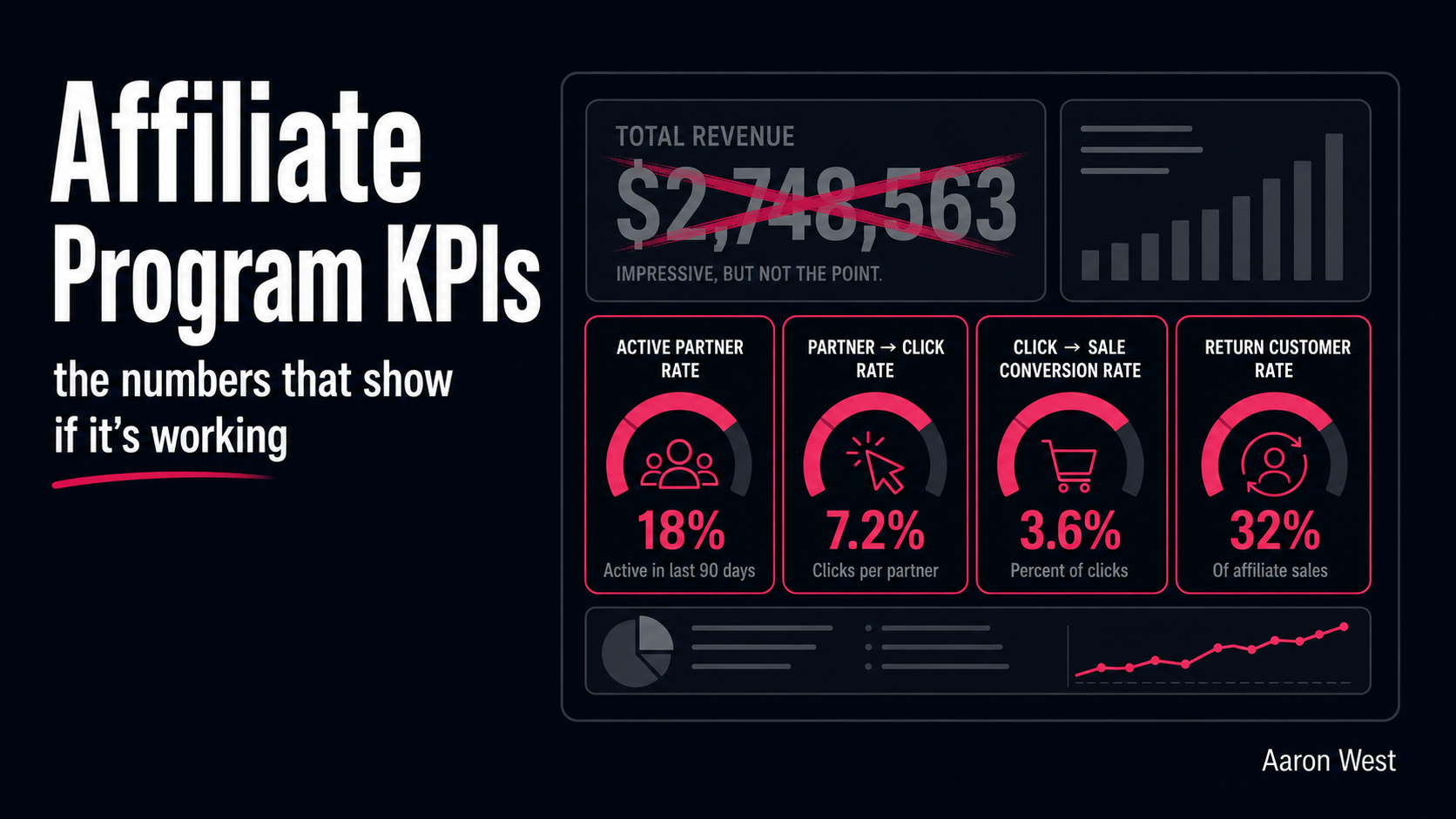
Most affiliate dashboards proudly display the numbers that mean the least. Total affiliates, total clicks, total revenue: big, reassuring, and almost useless for deciding what to do next. The numbers that actually tell you whether your programme is working, and what to fix, are quieter…
Continue reading...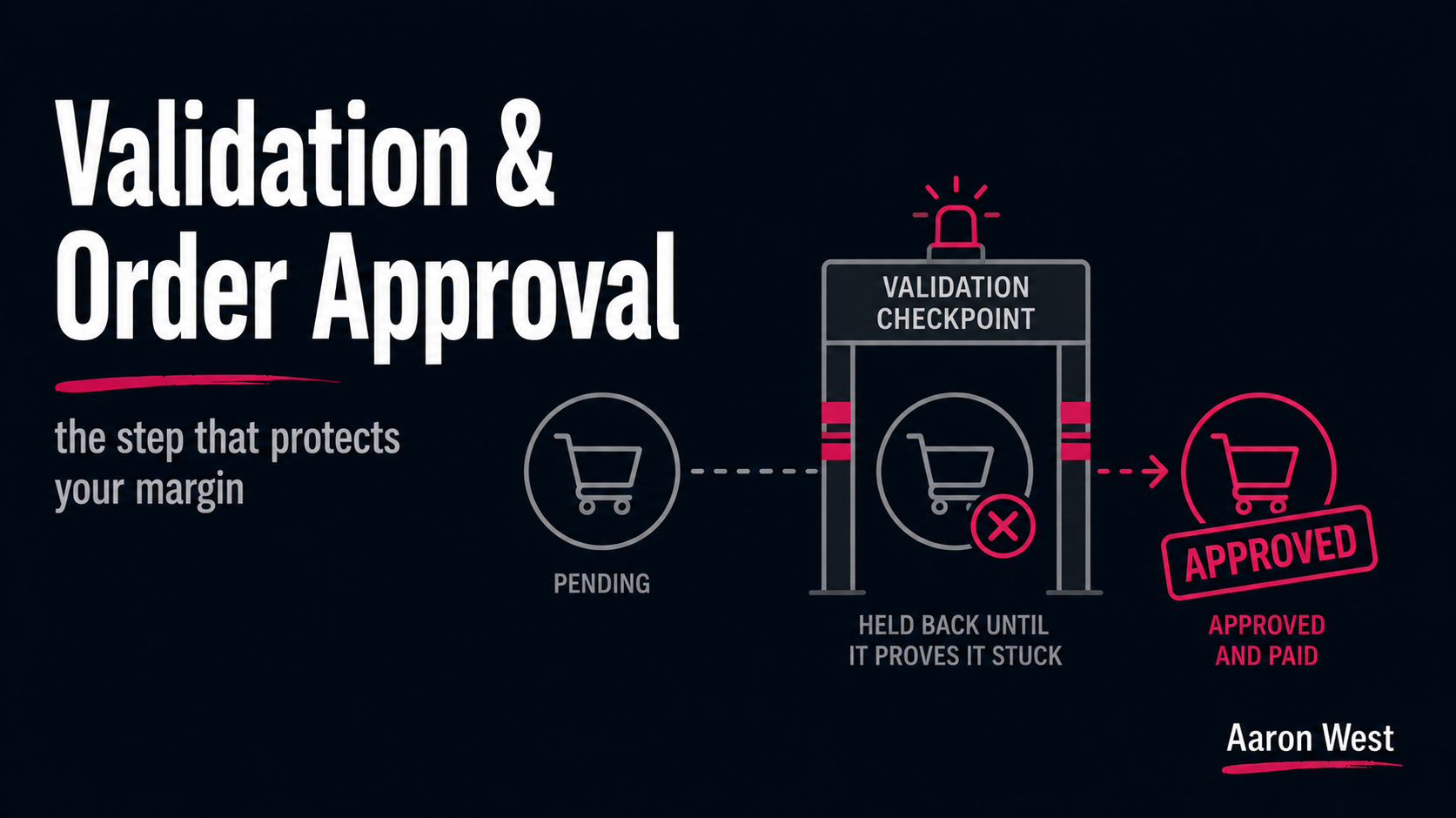
Validation and Order Approval: The Step That Protects Your Margin
Validation is the step where a merchant confirms a tracked affiliate sale is genuine, not returned, cancelled, or fraudulent, before the commission is approved and paid. It is the control that stops you paying for sales that never really stuck, and it works through a…
Continue reading...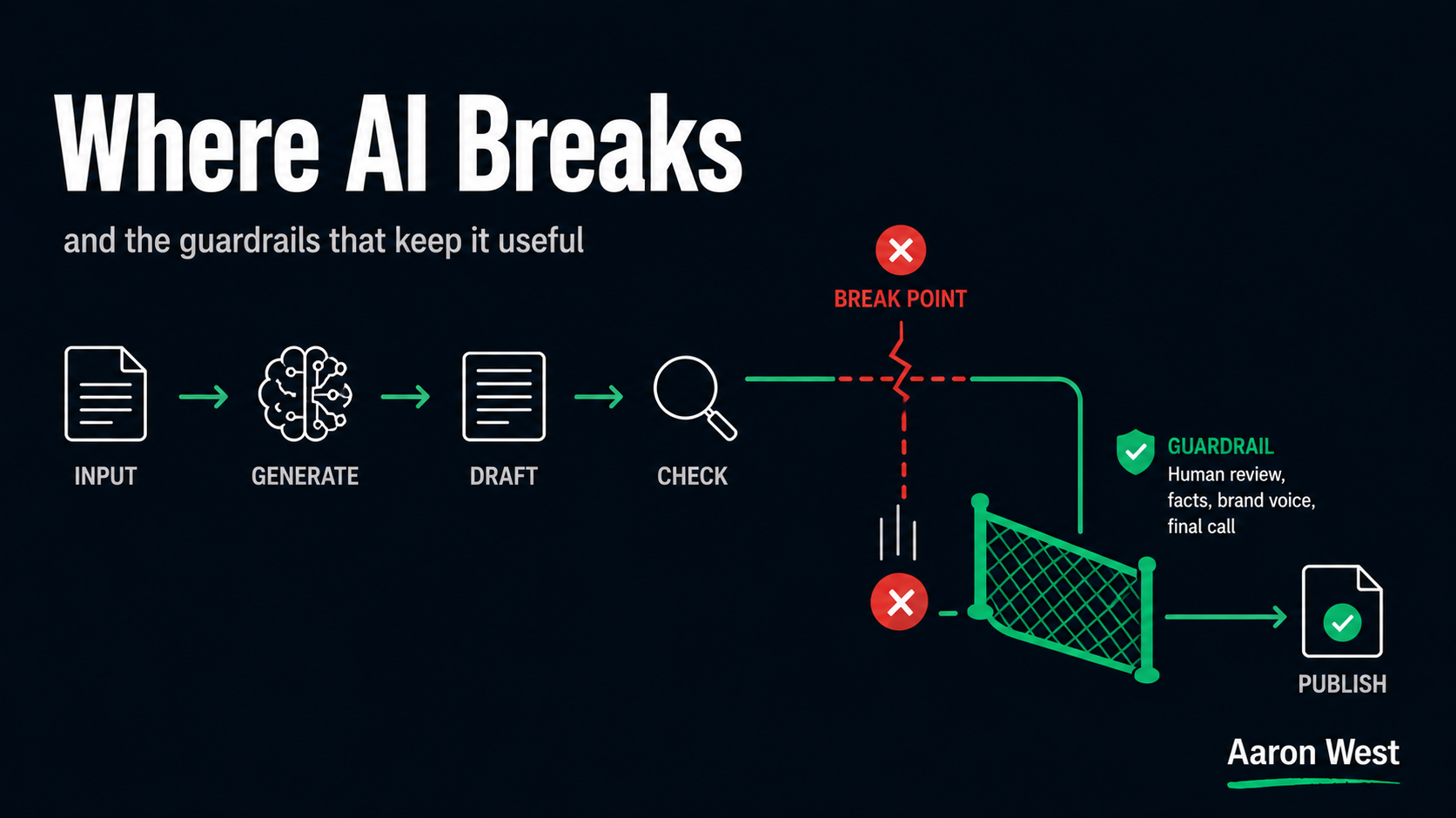
Where AI Breaks in E-Commerce Ops (and the Guardrails That Keep It Useful)
AI does not fail randomly in e-commerce operations. It fails in a handful of specific, predictable ways, and once you know them, you can build the guardrails that let you use AI confidently instead of nervously. The failures are not exotic. They are the same…
Continue reading...