Paid Media: The Principles That Outlast Every Platform

Table of Contents
Paid media is a field where the platforms change constantly and the principles barely change at all. There's always a channel of the year, a new ad format, an algorithm update that's supposedly rewritten the rules. The teams that actually win don't chase any of it. They get a handful of durable questions right and apply them to whatever platform happens to be working now.
This opens the Paid Media pillar, and it's the most important thing I can say about the whole subject, so it goes first. Everything else in this cluster, search, retail media, budget, creative, is execution. This is the strategy. Here are the principles that hold no matter which platform is in fashion, and why chasing platforms instead of principles keeps you a permanent beginner.
The treadmill nobody admits they're on
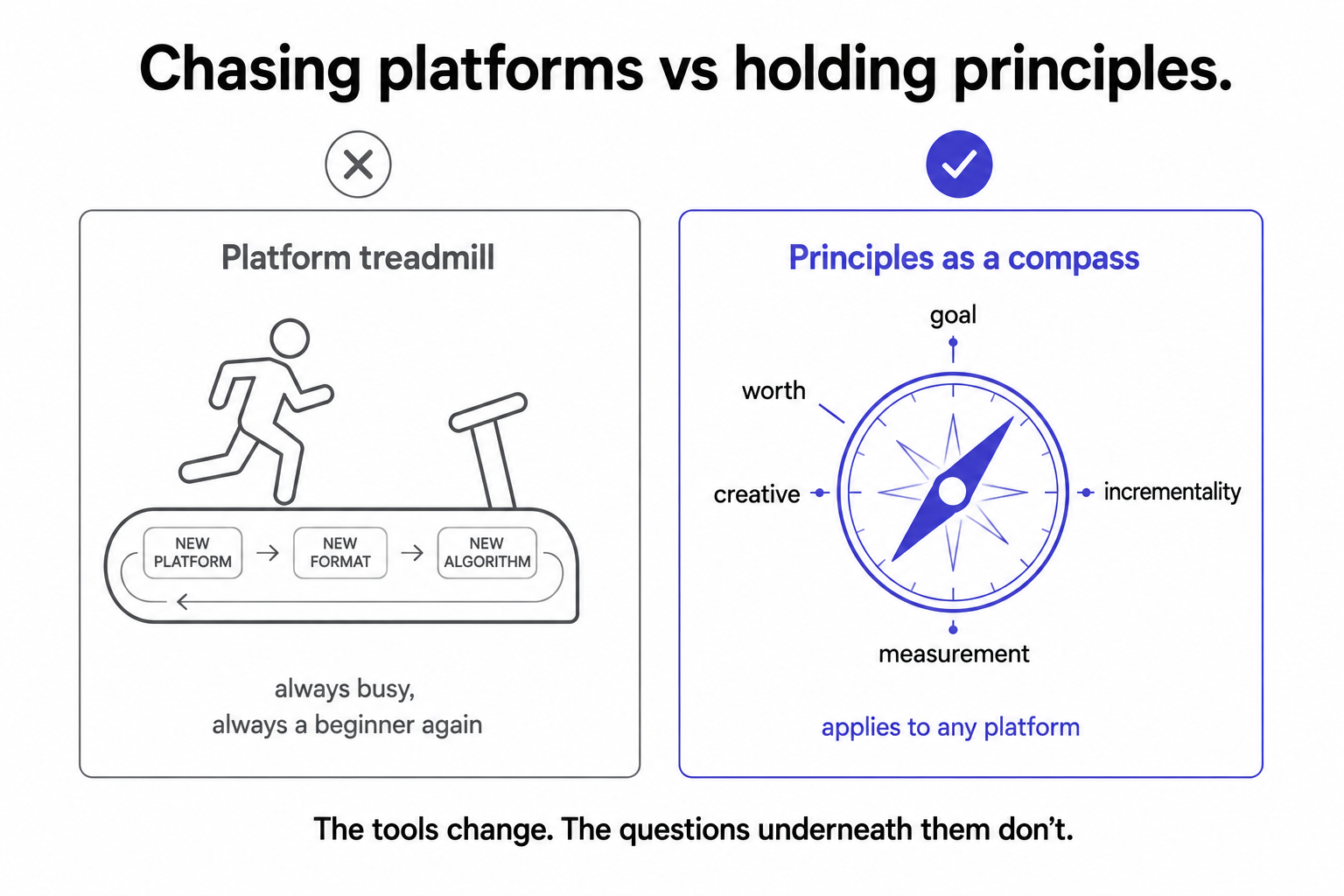
Watch how most teams talk about paid media and it's almost entirely about platforms. Which channel is best right now. What the new format does. How the latest algorithm change affects things. It feels like staying current. It's actually a treadmill: by the time you've learned this year's platform well enough to feel expert, the ground has shifted, and you're a beginner again on the next one.
The reason this happens is that platforms are visible and principles are not. A new ad format is a thing you can see and talk about. "Is this spend actually incremental" is an invisible discipline that doesn't trend on LinkedIn. So attention flows to the visible thing, and teams end up endlessly fluent in tactics that expire and shaky on the fundamentals that don't.
This is the north star of everything I write, applied to advertising: the tools change, the foundations don't. Platforms are tools. The questions underneath them are the foundation. Get the foundation right and you can pick up any platform fast, because you already know what you're looking for. Get only the platform right and you own a skill with an expiry date.
The five questions that don't change
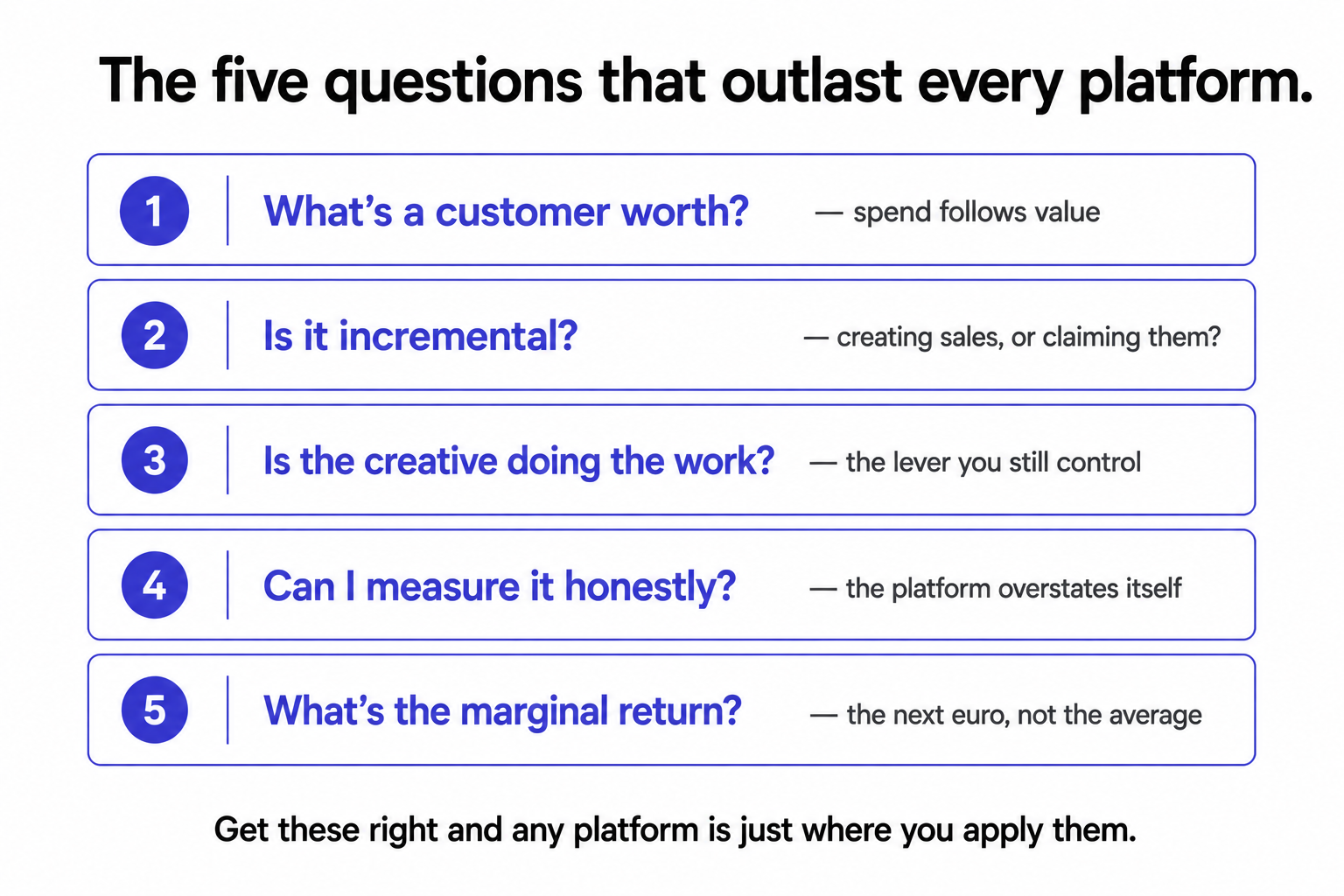
Strip paid media down to what actually decides whether it works, and you get a short list of questions that have been true across every platform I've ever used and will be true on the next one.
What's the goal, and what's a customer actually worth? Spend has to follow value. Before any platform decision, you need to know what a customer is worth to you, so you know what you can afford to pay to acquire one. Teams that skip this optimise toward cheap clicks or good-looking ROAS without ever checking it against the only number that matters: what the customer is worth over time. The economics come first, the platform second.
Is this spend incremental? This is the hardest and most-ignored question in all of paid media: would this sale have happened anyway, without the ad? A channel can show a beautiful return and create almost nothing, because it's taking credit for sales that were always going to land. Until you've asked whether your spend is creating outcomes or just claiming them, your reported numbers are decorating a guess. I go deep on this in budget allocation, because it's where incrementality actually bites.
Is the creative doing the work? As platforms automate targeting and bidding, the creative is the biggest lever you still control, and increasingly where the difference between a winning and losing campaign lives. A platform can only do so much with a weak ad. The full argument is in creative for performance, but the principle is simple: the machine decides who sees your ad; you decide whether it's worth seeing.
Can I measure it honestly? Attribution is genuinely messy, every platform overstates its own contribution, and the blended numbers rarely add up. Measuring honestly means knowing what your numbers can and can't tell you, and resisting the platform's flattering version of events. This connects directly to why ROAS is the metric that lies: the reported return is not the same as the profit, and confusing them is how budgets get pointed at the wrong place.
What's the marginal return on the next euro? Paid media decisions are decisions about the next unit of spend, not the average. The first euro into a channel and the ten-thousandth perform very differently, and managing to the average hides that. The real question is always where the next euro returns the most, which is again the budget-allocation discipline.
Platforms are execution, not strategy
None of this means platform knowledge is worthless. You absolutely have to learn the mechanics of whatever channel you're running, the settings, the formats, the quirks. The point is where that knowledge sits. Platform mechanics are execution: how you carry out a strategy. The five questions are the strategy: what you're trying to do and whether it's working. Confuse the two and you become someone who's brilliant at operating a tool toward an unexamined goal.
The practitioners who last treat every new platform as a new place to apply the same questions. A new channel appears, and instead of asking "is this the new best thing," they ask "what's a customer worth here, is this spend incremental, is my creative right, can I measure it, where's the marginal return." They're fluent on the platform fast, because the platform was never the hard part. The hard part was always the judgment, and the judgment carries over.
I've run paid media long enough to have watched several "best channels" come and go, and the lesson that stuck wasn't about any of them. It was that the teams who treated the platform as the strategy churned through channels and stayed anxious, and the ones who held the principles adapted to each new platform calmly, because they already knew what they were looking for. The platform was rented. The principles were theirs.
What paid media is actually about
Paid media looks like a game of platforms, formats, and algorithm updates, and that's exactly the trap. Underneath the churn, it's a small set of durable questions: what a customer is worth, whether your spend is incremental, whether the creative is doing the work, whether you're measuring honestly, and where the next euro returns most. Get those right and every new platform is just another place to apply them. Get only the platform right and you're on the treadmill forever.
Platforms are rented ground. They change the rules, they rise and fall, and your fluency in them expires. The principles are what you own, and they're the only part of paid media that compounds. Learn the principles first, and the platforms take care of themselves.
A few common questions
What's the most important thing in paid media? Knowing what a customer is worth and whether your spend is incremental, before you worry about platforms. Spend has to follow value, and a channel can show a great return while creating very little if it's just claiming sales that would have happened anyway. The platform is execution; the economics and incrementality are the strategy.
Should I focus on learning specific ad platforms? Learn them, but treat that knowledge as execution rather than strategy. Platform mechanics expire as platforms change; the underlying questions (customer worth, incrementality, creative, honest measurement, marginal return) carry across every channel. Get fluent on the platform you're using, but anchor your decisions in the durable questions, not the platform's features.
Why does my best-ROAS channel not grow the business? Often because it's a channel that claims credit rather than creates demand, like branded search or retargeting. It reports a strong return because it captures people who were already going to buy, so pouring more budget in looks efficient but adds little. The fix is to ask whether spend is incremental and to manage to marginal return, not headline ROAS.
How do I keep up when paid media changes so fast? By not trying to keep up with platforms as your main strategy. The platforms change constantly; the principles barely change at all. If you anchor on the durable questions, each new platform is just a new place to apply them, and you can get fluent quickly because you already know what you're looking for. Chasing every change keeps you a permanent beginner.
You should also read:
Budget Allocation: The Paid-Media Decision That Actually Decides Your ROAS
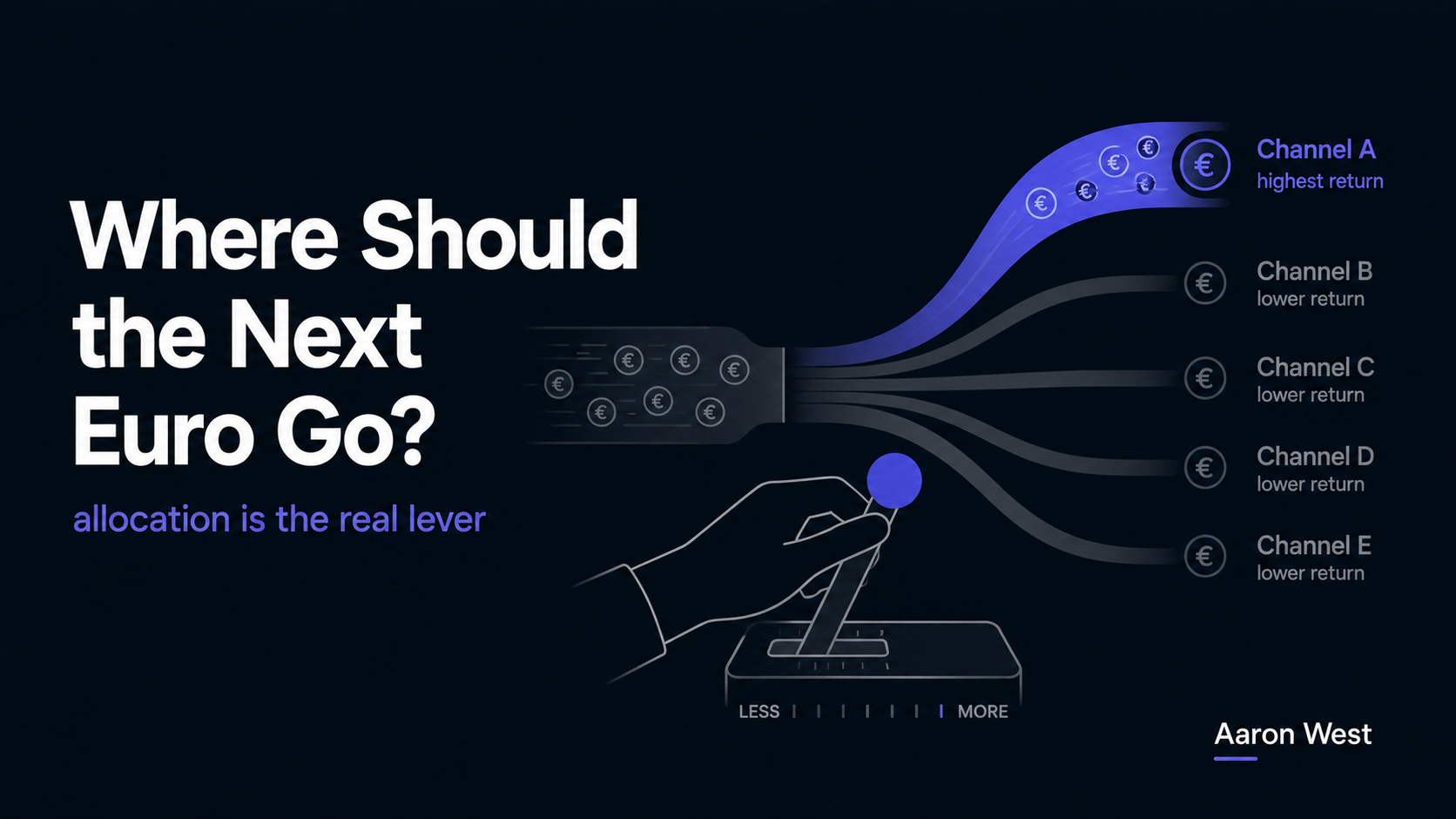
The most important paid-media decision isn't made inside a campaign. It's how you split the budget across channels. And the question that should drive it isn't "which channel has the best ROAS," it's "what does the next euro return, and would that sale have happened…
Continue reading...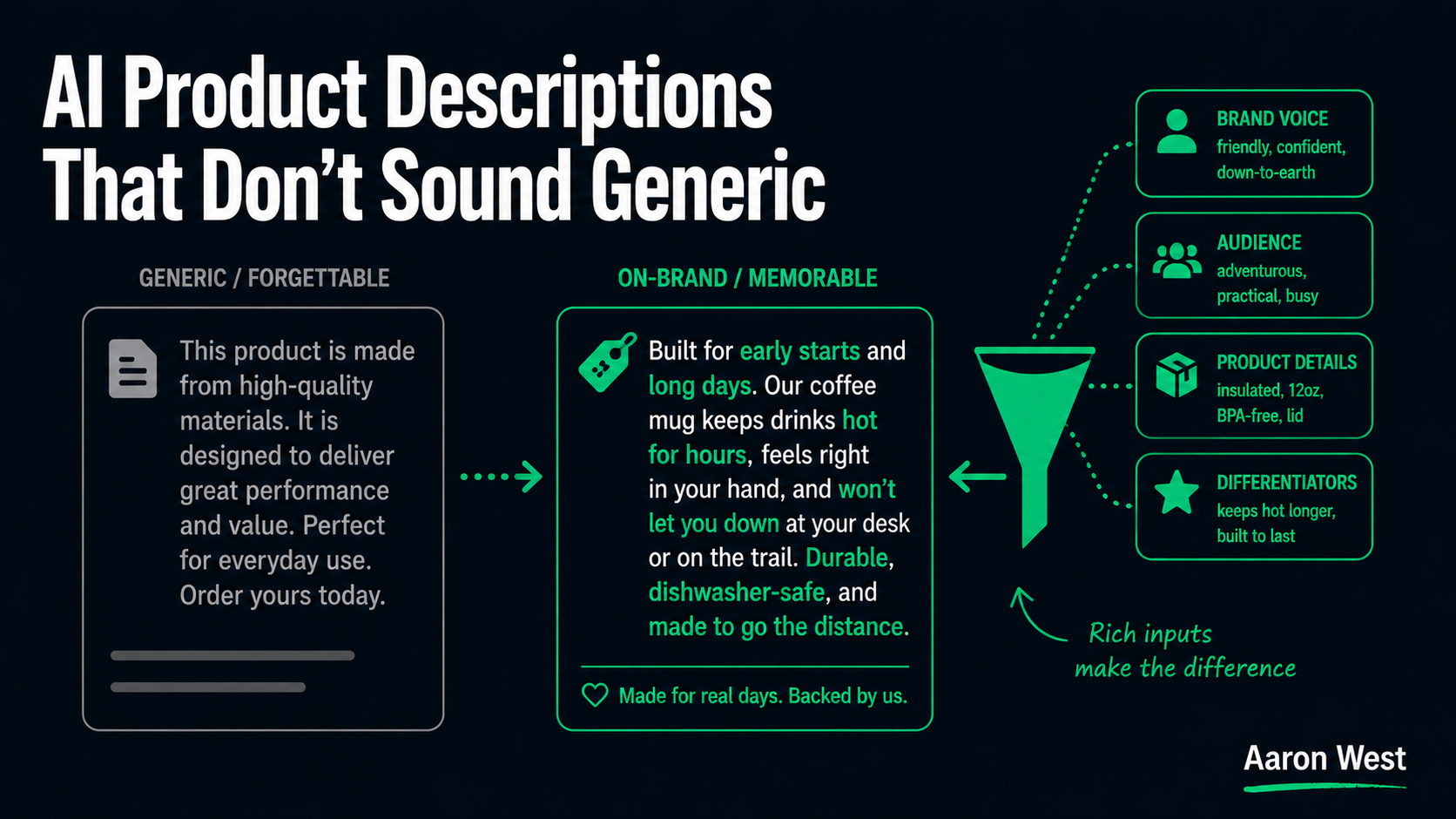
AI for Product Descriptions That Don't Sound Generic
The most common complaint about AI-written product descriptions is that they all sound the same, bland, interchangeable, like they could describe any product from any store. The complaint is fair, and here is the part nobody selling AI tools wants to say plainly: when AI…
Continue reading...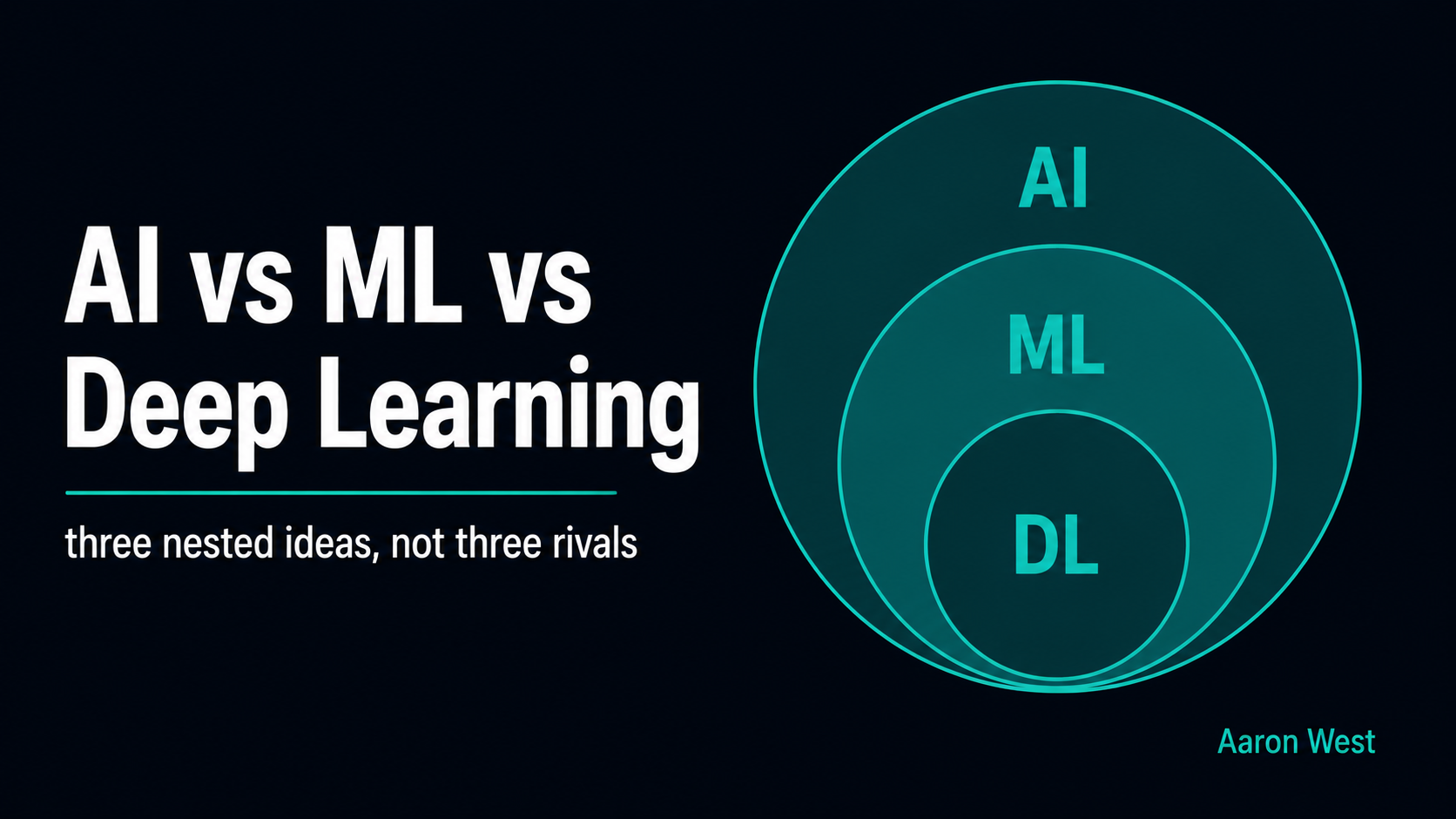
AI vs Machine Learning vs Deep Learning: The Distinction That Actually Matters
Artificial intelligence, machine learning, and deep learning are not three competing things you choose between. They are three nested ideas, each one a more specialised part of the one before it. AI is the big outer goal: machines doing things that would normally need human…
Continue reading...